
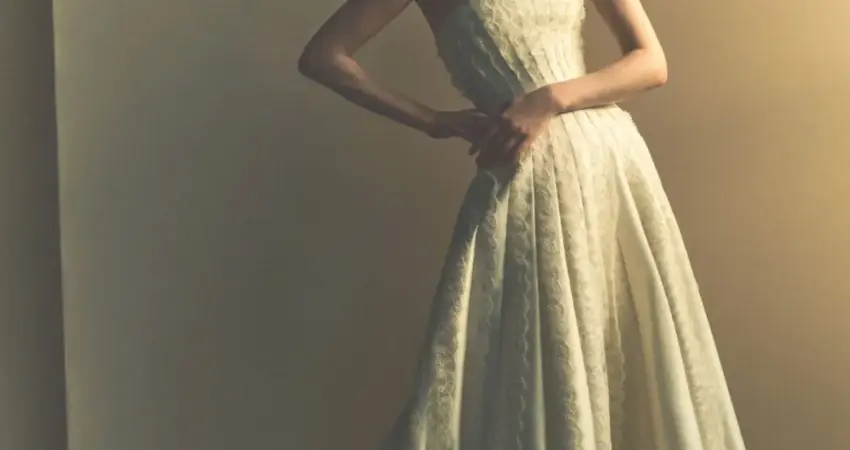
In a decade defined by rapid shifts in the wedding industry, Danielle Frankel has emerged as a cornerstone of contemporary bridal fashion, blending high-fashion sensibilities with traditional dressmaking. Her Spring 2027 collection, recently showcased in her New York studio, marks a significant evolution for the brand. Celebrating ten years in the bridal business, Frankel has transitioned from the "elevated kookiness" that once defined her early work toward a refined, "quiet simplicity." This shift reflects a broader maturation of the brand, prioritizing "pure" design and technical mastery over radical silhouette experimentation. The collection serves as both a retrospective of her technical growth and a forward-looking statement on the permanence of craftsmanship in an era of fleeting trends.
The Evolution of the Danielle Frankel Aesthetic
Since the brand’s inception in 2017, Danielle Frankel has been synonymous with the "cool-girl" bridal aesthetic. Her early collections often challenged the status quo of the bridal market by introducing separates, unconventional fabrics, and silhouettes that leaned toward the avant-garde. However, the Spring 2027 collection indicates a deliberate "reset." According to Frankel, the focus this season has returned to the fundamental essence of the garment. "Our craftsmanship is always at the forefront of what we do, but I wanted to find that pure thing that you think of in your head," the designer stated during the presentation.
This maturation is characterized by a step back from the eccentricities that established her name, moving instead toward evergreen designs. The collection highlights the brand’s ability to balance the demands of the modern, social-media-savvy bride with the timeless requirements of bridal couture. By stripping away excess, Frankel has placed the emphasis on the architectural integrity of the gowns, allowing the quality of the materials and the precision of the tailoring to speak for themselves.
Technical Specifications and Design Highlights
The Spring 2027 collection is anchored by a blend of classic shapes and modern technical execution. A standout piece in the lineup is the "Ballerina" gown, which features a meticulously constructed bodice paired with a voluminous, "frothy" skirt. This piece exemplifies the brand’s ability to take a traditional bridal trope—the ballgown—and reinterpret it through a lens of modern lightness and structural sophistication.
Key design elements of the collection include:
- Structured Corsetry: Internal bodices that provide support without sacrificing the fluid movement of the outer fabric.
- Corded Lace Hems: A specific nod to the "city slicker" bride, where slip-like skirts are anchored by heavy, structured lace, providing a tactile contrast to lightweight silks.
- Versatile Layering: The introduction of lace outer robes and detachable elements allows for a modular approach to bridal styling.
- Evergreen Silhouettes: A focus on shapes that remain relevant beyond a single fashion cycle, moving away from hyper-trendy "micro-trends."
Frankel’s approach to technique this season was notably disciplined. When questioned about whether the collection featured radical shifts in silhouette or new, experimental techniques, Frankel confirmed that the focus remained on refinement rather than revolution. "No, and that’s okay," she remarked, suggesting that at the ten-year mark, the brand’s identity is sufficiently established to rely on its existing technical strengths.
Customization as a Business Model
A central pillar of the Spring 2027 strategy is the duality between ready-to-wear accessibility and bespoke customization. Frankel has structured her studio operations to cater to two distinct types of clients: those seeking a complete, off-the-rack solution and those looking for a highly personalized experience.
The studio environment is designed to be a "serene" space where brides can interact with the collection on a granular level. The designer noted that customization has become a primary driver of the brand’s current operations. Brides are encouraged to "add, subtract, and enhance" their chosen gowns, whether through the addition of lace overlays or the modification of skirt volumes.
However, Frankel maintains a strict standard for her off-the-rack offerings. "I would never want a bride to come in and say, ‘I love this gown, but it doesn’t feel complete,’" she explained. This philosophy ensures that while customization is an option for those who desire it, the base designs are inherently whole and finished products, maintaining the designer’s original vision regardless of the level of modification.
A Decade in Review: The Danielle Frankel Timeline
The Spring 2027 collection serves as a milestone, marking ten years since Danielle Frankel Hirsch launched her eponymous label. To understand the significance of this collection, one must look at the brand’s trajectory over the last decade:
- 2017: Danielle Frankel launches, becoming the first bridal designer to be a finalist for the CFDA/Vogue Fashion Fund. The brand gains immediate attention for its "bridal separates" and non-traditional approach.
- 2019-2021: The brand experiences a surge in popularity as the "micro-wedding" trend takes hold during the global pandemic. Frankel’s shorter dresses and more casual, yet high-fashion, options become the industry standard for intimate ceremonies.
- 2022-2024: Expansion into a larger studio space in New York’s Garment District. The brand begins to refine its "cool-girl" image, moving into more complex corsetry and textile development.
- 2025-2026: A period of "reset" where the designer begins to move away from overt trend-chasing, focusing instead on the longevity of the garments.
- 2027: The debut of the Spring collection, which solidifies the brand’s shift toward "quiet simplicity" and reinforces its position as a leader in technical bridal craftsmanship.
Market Context and Industry Data
The shift toward "quiet luxury" and "evergreen" design in the bridal sector is supported by broader market trends. According to recent industry reports, the global bridal wear market is projected to reach a valuation of approximately $80 billion by 2030, with a significant portion of that growth driven by the luxury segment.
Data indicates that modern brides are increasingly prioritizing:
- Versatility: 42% of luxury brides now seek outfits that can be modified or worn in different ways throughout the wedding weekend.
- Craftsmanship over Branding: There is a 15% year-over-year increase in brides citing "fabric quality" and "construction" as their primary reasons for choosing a designer, surpassing brand recognition alone.
- Personalization: The demand for semi-custom or bespoke elements has risen by 30% since 2022, aligning with Frankel’s emphasis on customization.
Frankel’s decision to eschew "radical" change in favor of technical perfection aligns with these consumer shifts. In an oversaturated market where social media feeds are filled with "disposable" fashion, the value of a "fully formed, evergreen gown" has increased significantly among high-net-worth consumers.
The Rise of the "City Slicker" Bride
While the collection leans toward maturity, it does not abandon the demographic that built the brand: the urban, fashion-forward bride. The inclusion of slip-like skirts and structured lace hems caters specifically to the "city slicker" aesthetic—brides who require garments that are both elegant enough for a formal ceremony and practical enough for an urban environment.
This segment of the market has grown substantially as courthouse weddings and urban loft ceremonies have moved from the periphery to the mainstream. These brides often look for "cool-girl silhouettes" that feel less like a costume and more like an elevated version of their personal style. By anchoring these lighter silhouettes with heavy corded lace and expert corsetry, Frankel ensures that even her most "casual" pieces maintain the gravitas expected of bridal attire.
Implications for the Future of Bridal Fashion
The Spring 2027 collection by Danielle Frankel suggests a turning point for the bridal industry at large. As one of the most influential voices in the space, Frankel’s move toward simplicity and away from "kookiness" may signal the end of the era of high-concept, highly-Instagrammable bridal gimmicks.
Instead, the industry appears to be moving toward a model of "subtle maturity." This approach favors the longevity of the garment and the experience of the bride within the studio. By focusing on customization and the "purity" of the design, Frankel is setting a standard for how independent bridal houses can scale without losing the artisanal quality that defined their early success.
The lack of "radical" innovation in this collection is not a sign of stagnation but rather a confident assertion of brand identity. For a designer who has spent a decade pushing the boundaries of what a wedding dress can be, the most radical act in 2027 is to produce a collection that is simply, and technically, perfect. As the bridal market continues to evolve, the emphasis on craftsmanship and the ability to offer a "complete" yet customizable garment will likely remain the gold standard for luxury bridal design.

0 Comments