
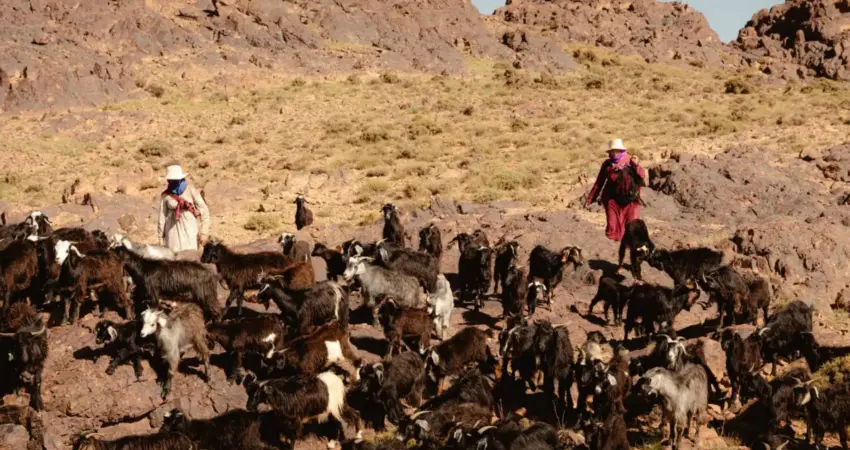
The rugged expanse of Jebel Saghro, a volcanic mountain range situated between the High Atlas Mountains and the Sahara Desert in southeastern Morocco, is currently the stage for a critical cultural intersection. For millennia, the Aït Atta—a historically prominent Berber, or Amazigh, tribal confederacy—have practiced transhumance, a seasonal migration of livestock that spans upwards of 180 miles. However, as environmental pressures and modernization accelerate, this semi-nomadic way of life is facing an unprecedented decline. In response, a new model of "educational tourism" is emerging, exemplified by the "The Keepers" initiative from luxury travel operator Black Tomato, which seeks to document and support these vanishing traditions by integrating high-end travelers directly into the migratory process.

The Historical and Geographical Context of Transhumance
The Aït Atta tribe, whose name translates to "People of the Shadow," has inhabited the Jebel Saghro region for centuries. Known for their fierce independence and nomadic resilience, the tribe famously resisted French colonial forces well into the 1930s. Their lifestyle is dictated by the harsh geography of the "Land of Thirst," as Jebel Saghro is known in the local Tamazight language. The region is defined by basalt towers, flat-topped mesas, and dry riverbeds that offer little reprieve from the sun.
Transhumance is the heartbeat of this culture. Twice a year, families move their herds—primarily goats and sheep—between summer grazing grounds in the High Atlas and winter pastures in the warmer Jebel Saghro. This movement is not merely a logistical necessity but a complex social and ecological ritual that manages the fragile resources of the Moroccan landscape. The journey requires intimate knowledge of ancient "azib" (stone shelters), hidden wells, and traditional migration routes that are protected by tribal rights passed down through generations.

Chronology of the Seasonal Migration
The trek typically begins in late September or early October as temperatures in the High Atlas begin to drop. A representative journey, such as that undertaken by the Belâawane family, follows a rigorous timeline:
- Phase One: Preparation and Departure: Families gather their essential belongings, including tea kettles, water jugs, blankets, and poultry, loading them onto donkeys. The herd, often numbering hundreds of goats, is the primary focus.
- Phase Two: The High Altitude Crossings: The caravan traverses mountain passes such as Tizi n’ Tircht, reaching elevations of over 8,200 feet. This stage is physically demanding, requiring the herd to navigate vertical cliffs of scree and loose rock.
- Phase Three: The Mid-Point Immersion: Approximately ten days into the trek, the family reaches the transitional zones between the High Atlas and the Dades Valley. It is at this juncture that cultural exchange programs, like those facilitated by Black Tomato, often join the caravan.
- Phase Four: Descent into Jebel Saghro: The final legs of the journey involve navigating the "Martian-like" volcanic terrain of the Saghro range, eventually arriving at winter base camps where the families will remain until the spring thaw.
The Intersection of Tradition and Luxury Tourism
The integration of Western travelers into this ancient process represents a significant shift in the luxury travel sector. Black Tomato’s "The Keepers" program is structured around the philosophy that human knowledge and connection are the "ultimate luxuries" in an increasingly digital world. The program features five immersive experiences globally, including sessions with Daoist masters in China and traditional fishermen in Chile.

In Morocco, the logistics of these tours are designed to bridge the gap between nomadic hardship and high-end hospitality. While the Aït Atta family moves with minimal supplies, the support team includes:
- Logistics Personnel: Dedicated teams to manage camp setup, including canvas tents equipped with beds and portable sanitation.
- Specialized Staff: Professional chefs who prepare traditional Moroccan cuisine, such as harira (tomato and bean soup) and tagines, and mule handlers who transport luggage and luxury amenities.
- Translators: Facilitators who ensure that the nuanced history and daily challenges of the Aït Atta are communicated effectively to visitors.
This model allows travelers to participate in daily tasks—such as herding "mischievous" goats, baking traditional aghroum (flatbread), or learning the art of henna—while providing a vital secondary income stream to the nomadic families.

Socio-Economic Factors and the Decline of Nomadic Life
Despite the cultural significance of transhumance, the number of families participating in the trek has plummeted. According to Hmad Belâawane, a patriarch of the Ait Slilou sub-tribe, only six families from his community made the journey to Jebel Saghro this year. In previous decades, that number exceeded eighty. Several systemic factors contribute to this decline:
Climate Change and Water Scarcity
North Africa is one of the regions most vulnerable to climate change. Persistent droughts and rising temperatures have decimated traditional pastures, making it increasingly difficult to sustain large herds. The "Land of Thirst" is becoming literal, as wells dry up and the distance between viable grazing spots grows.

Educational Mandates
In 2019, the Moroccan government reinforced laws requiring children between the ages of 6 and 16 to attend school. While this is a positive step for national literacy and development, it removes the younger generation from the migratory cycle. Without children to help manage the herds, the physical burden on aging parents becomes unsustainable.
Urbanization and Modernization
The allure of modern conveniences—electricity, running water, and stable healthcare—has led many Aït Atta members to abandon the nomadic life for permanent settlement in villages like Tagdilt or larger urban centers. Once the youth are integrated into a sedentary lifestyle, the specialized skills required for transhumance, such as reading the landscape or managing livestock in extreme terrain, are often lost within a single generation.

Broader Implications for Cultural Preservation
The plight of the Aït Atta reflects a global trend where land-dependent ways of life are struggling to survive. Similar stories are found among the sheep herders of the Swiss Alps and ranching families in the American West. The transition from a nomadic to a sedentary society often results in the loss of intangible cultural heritage, including oral histories, specialized dialects, and traditional ecological knowledge.
However, the rise of "Keepers" tourism suggests a potential path forward. By placing a high economic value on traditional knowledge, these programs may provide enough financial incentive for families to continue their migrations. Furthermore, the global recognition brought by high-profile travel documentation can lead to increased domestic support and protection for tribal land rights.

Official Responses and Political Context
The cultural landscape of Morocco is also evolving politically. The recent appointment of the country’s first female prime minister and the 2011 constitutional recognition of Tamazight as an official language alongside Arabic mark significant shifts in national identity. For the Aït Atta, these changes are viewed with a mix of skepticism and hope. While some tribe members, like the matriarch Telhou Belâawane, express pride in the advancement of women’s roles, others remain focused on the immediate survival of their herds.
Conclusion: The Future of the Aït Atta
The seasonal migration of the Aït Atta is more than a trek; it is a living museum of human resilience and ecological adaptation. As the Belâawane family settles into their winter home in the canyons of Jebel Saghro, the future of their tradition remains uncertain. The "nomad way" is a life of "blissful simplicity" marred by "real-life stresses"—the constant search for water, protection against predators like jackals, and the fight against a changing climate.

Programs like "The Keepers" offer a unique, albeit expensive, mechanism for documenting these lives before they transition fully into the annals of history. For the traveler, the experience is a "geologic safari" and a "strenuous lesson in purpose." For the Aït Atta, it may be one of the final tools available to ensure their ancestral trails do not vanish into the dust of the Sahara. The success of such initiatives will ultimately be measured not by the luxury of the tents, but by whether the next generation of Aït Atta sees a viable future in the mountains of their ancestors.

0 Comments