
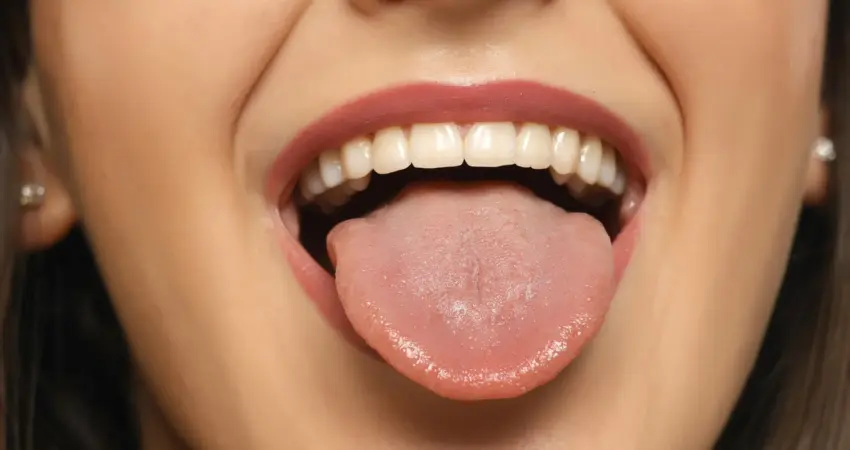
Scientists have uncovered critical changes within the taste buds that may finally elucidate why a significant number of individuals continue to struggle with their sense of taste for over a year following recovery from COVID-19. This groundbreaking research, published in the esteemed journal Chemical Senses, provides the first direct biological evidence linking persistent taste disturbances reported by patients to tangible molecular and physical abnormalities within their taste receptor cells. The findings suggest a complex interplay of disrupted cellular communication and structural disorganization, offering a much-needed explanation for a symptom that has perplexed both patients and medical professionals alike.
Unraveling the Persistent Enigma of Post-COVID Taste Dysfunction
The COVID-19 pandemic, which began its global spread in late 2019 and was declared a pandemic by the World Health Organization in March 2020, rapidly introduced a myriad of symptoms, with the alteration or loss of taste and smell becoming one of the most distinctive and often distressing. While many individuals experienced a temporary disruption, recovering their gustatory senses within weeks or a few months, a persistent subset of the population found their ability to perceive flavors significantly diminished or altered for extended periods. This lingering symptom, often referred to as post-acute sequelae of SARS-CoV-2 infection (PASC) or "long COVID," has posed a significant challenge to quality of life, impacting dietary habits, social interactions, and overall well-being.
Prior to this latest study, explanations for this prolonged taste dysfunction were largely speculative, with theories ranging from lingering inflammation to direct viral damage to the olfactory and gustatory nerves. However, the precise biological mechanisms remained elusive, leaving a void in understanding and therapeutic strategies. This new research directly addresses that gap by examining the physical taste buds themselves, the intricate structures responsible for detecting the five basic tastes: sweet, sour, salty, bitter, and umami.
The Study: A Deep Dive into the Biology of Lingering Taste Loss
The investigation, spearheaded by a collaborative effort involving scientists from the University of Colorado Anschutz Medical Campus and two leading Swedish universities, focused on a cohort of 28 individuals who reported persistent taste disturbances for more than 12 months after their initial COVID-19 infection. Crucially, none of these participants had required hospitalization for their illness, suggesting that severe acute infection was not a prerequisite for experiencing this long-term sequela.
The initial phase of the study involved a comprehensive assessment of the participants’ taste perception. Standardized gustatory testing was employed to quantify their ability to detect and discriminate between different tastes. The results revealed a notable pattern: eight of the 28 participants exhibited clearly abnormal taste scores, indicating a significant deficit in their ability to perceive tastes. Furthermore, eleven individuals reported specific difficulties in detecting certain flavors, with a particular emphasis on sweet, bitter, and umami tastes. These are the tastes often associated with complex flavor profiles and are crucial for the enjoyment of a wide variety of foods, from ripe fruits and dark chocolate to savory broths and aged cheeses. In stark contrast, their ability to detect salty and sour flavors remained largely unimpeded. This selective impairment suggested a targeted disruption rather than a generalized loss of taste function.
Identifying a Molecular Defect: The Role of PLCβ2
Driven by the unusual pattern of taste loss, the research team proceeded to collect small tissue samples from the taste buds of 20 of the study participants. These samples were then subjected to rigorous molecular and microscopic analysis to identify any underlying biological abnormalities. The findings were significant and pointed towards a critical molecular defect.
The research team, led by Göran Hellekant, PhD, affiliated with the University of Wisconsin and the Swedish University of Agricultural Sciences, identified a reduction in the messenger RNA (mRNA) responsible for producing a key protein known as phospholipase C beta 2, or PLCβ2. This protein is not merely a passive component of taste perception; it plays an indispensable role in the intricate signaling cascade that occurs when taste receptor cells interact with specific tastants.
PLCβ2 acts as a crucial amplifier within these taste cells. When the tongue encounters sweet, bitter, or umami compounds, these molecules bind to specific receptors on taste cells, initiating a signaling process. PLCβ2 is instrumental in amplifying this initial signal, ensuring that it is robust enough to be transmitted effectively to the brain for interpretation as a specific taste sensation. Without adequate levels of PLCβ2, this amplification process is compromised, leading to a weakened signal that may fall below the threshold of perception.
Thomas Finger, PhD, a professor of cell and developmental biology at the University of Colorado Anschutz and the corresponding author of the study, elaborated on the protein’s function: "PLCβ2 acts like a molecular amplifier inside taste cells. It strengthens the signal before it’s transmitted to the brain. When levels are reduced, the taste signal weakens."
This molecular deficiency also elegantly explains the observed selective loss of taste. The signaling pathways for salty and sour tastes are known to utilize different molecular mechanisms that do not rely on PLCβ2. This fundamental difference in cellular machinery means that these particular taste sensations can remain intact even when the amplification systems for sweet, bitter, and umami are disrupted by the virus or its lingering effects.
Beyond Molecules: Structural Disorganization Within Taste Buds
The study’s revelations were not confined to the molecular level; the researchers also uncovered evidence of physical abnormalities within the structure of the taste buds themselves. When examining the collected tissue samples under a microscope, they observed that some participants exhibited changes in the physical arrangement and organization of their taste cells.
"Some subjects had normal-looking taste buds, while others showed structural disorganization," Finger noted. This finding suggests that the persistent taste dysfunction is likely a multifaceted issue, involving not only the intricate molecular machinery but also the fundamental architecture of these sensory organs. The physical disarray could further impede the efficient reception and transmission of taste signals, compounding the effects of molecular deficiencies.
The implications of these dual disruptions—molecular and structural—are profound. They paint a picture of a taste system that has undergone significant, long-lasting damage, requiring more than a simple molecular fix for complete recovery.
The Paradox of Regeneration: Why Does Taste Loss Persist?
One of the most perplexing aspects of persistent taste loss after COVID-19 is its longevity, especially considering the body’s remarkable capacity for cellular regeneration. Under normal circumstances, the cells that make up our taste buds are constantly being renewed. This turnover is typically quite rapid, with taste cells being replaced approximately every two to four weeks. This inherent regenerative capacity would logically suggest that any damage caused by the virus should be repaired relatively quickly.
However, the findings of this study suggest that the molecular processes essential for normal taste signaling may remain disrupted in a subset of individuals for a considerably longer duration than anticipated. This implies that the damage inflicted by SARS-CoV-2, or the subsequent inflammatory or immune responses it triggers, may have a more profound and enduring impact on the cellular machinery and structure of taste buds than previously understood.
While the vast majority of individuals who experience taste alterations during COVID-19 recover their senses within a few weeks or months, the existence of a persistent group underscores the heterogeneity of the virus’s impact. This new research provides the first concrete biological evidence that can explain why recovery takes so much longer for these patients. As the authors concluded in their paper, "Our findings offer measurable evidence of long-term taste disruption in some post-COVID patients long after the virus has been cleared."
Future Directions and Unanswered Questions
The discovery of these specific molecular and structural changes opens new avenues for research and potential therapeutic interventions. However, several critical questions remain. A primary concern is whether these identified molecular abnormalities, such as the reduced levels of PLCβ2, can eventually return to normal levels over time. Understanding the trajectory of recovery at a cellular level is paramount.
Furthermore, the findings raise the possibility of developing targeted treatments. If the core issue is a deficiency in PLCβ2 or structural disorganization, could interventions be designed to boost the production of this protein, promote cellular repair, or re-establish proper taste bud architecture? Future research will undoubtedly focus on exploring the efficacy of such therapies, potentially offering hope to those still struggling with the debilitating effects of persistent taste loss.
The implications of this research extend beyond individual patient care. It contributes to a broader understanding of the long-term neurological and sensory sequelae of viral infections. As scientists continue to unravel the complexities of long COVID, this study provides a vital piece of the puzzle, offering a clear biological explanation for a symptom that has significantly impacted the lives of millions worldwide. The continued investigation into these findings holds the promise of not only alleviating this specific symptom but also informing our approach to other post-viral syndromes.

0 Comments