
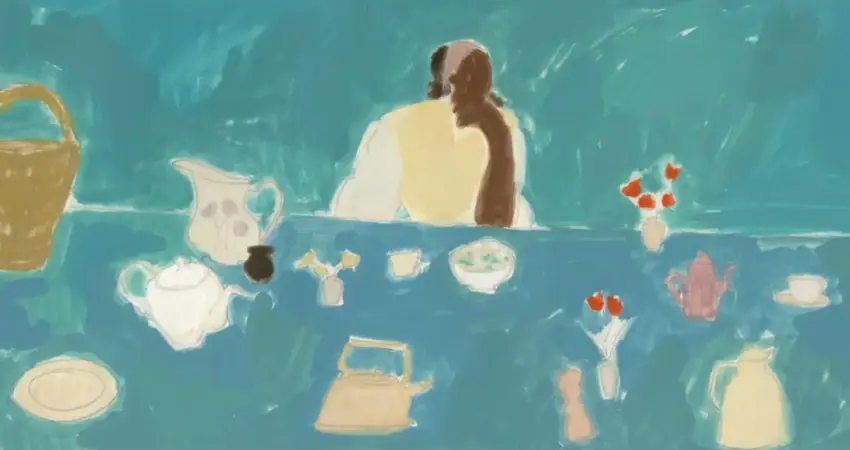
In the introspective series, "The Fourth Trimester," parents share the meals that sustained them during the profound period following childbirth. This month, Trinity Mouzon Wofford, author of "Eating at Home," recounts the transformative experience of her daughter’s home birth and the comforting Japanese rice porridge, okayu, that became a cornerstone of their family’s early days. The narrative unfolds not just as a personal reflection, but as a testament to informed decision-making, the evolving landscape of maternal care, and the deep-seated human need for nourishment during life’s most significant transitions.
The arrival of Ruby Natsuko, her name meaning "Summer Child," marked a pivotal moment for Wofford and her husband, Issey. The birth, which occurred at home on a Tuesday afternoon in late July, was attended by a midwife and supported by family. This intimate setting contrasted sharply with Wofford’s initial intentions. A self-described risk-averse and pain-intolerant individual, she had initially opted for conventional obstetric care, viewing unmedicated births with apprehension, often associating them with what she termed "spiritual mumbo-jumbo."
A Shift in Prenatal Care: Navigating Systemic Flaws
Wofford’s established path took an unexpected turn midway through her pregnancy. A critical incident arose when her prenatal test results were misread by her healthcare provider, a misinterpretation stemming from an assumption about her racial background. This error led to a concerning flag regarding a potential fatal birth defect in the baby. The week of uncertainty that followed, leading up to a Level II ultrasound, was fraught with anxiety, prompting Wofford to reflect critically on her prenatal vitamin regimen.
The ultrasound technician, witnessing Wofford’s distress and aware of other negative experiences within the same practice, offered a crucial piece of advice: to switch providers. She provided a list of alternative local obstetricians. However, this recommendation sparked a memory for Wofford of a friend who had successfully navigated a home birth a few years prior. This recollection led her to Ina May Gaskin’s seminal work, "Guide to Childbirth." The book, with its firsthand accounts of unmedicated births and its empowering perspective on the natural processes of labor, profoundly influenced Wofford’s understanding and aspirations for her own delivery. The vivid imagery and narratives within Gaskin’s book, often described as reflecting a "70s-commune-era" ethos, challenged Wofford’s preconceived notions and opened her mind to the potential benefits of a home birth.
Building Trust with Midwifery Care
The decision to pursue a home birth solidified after her first conversation with a midwife. Wofford found a receptive ear for her anxieties and a source of pragmatic reassurance. The midwife addressed her concerns about potential complications with a straightforward protocol: if any issues arose during delivery, they would promptly contact the hospital, a procedure identical to one that would be followed in a planned hospital birth. This clarity and collaborative approach were instrumental in fostering trust. Over the course of their limited time before her due date, Wofford and her husband developed a strong rapport with their midwife, cultivating a confidence in her expertise, Wofford’s own body, and the baby’s well-being. This foundational trust was a critical element in her successful home birth experience.

The Journey to Birth: A Calm and Supported Labor
Early labor began overnight, intensifying the following morning. The presence of Issey, his mother, and the midwife’s assistant provided a supportive network. Wofford recalled practicing relaxation techniques, including "blowing horse lips," a method she had read about in Gaskin’s book, aiming to remain as serene as possible throughout the challenging process of escalating contractions. The midwife arrived at the home approximately one hour before Ruby’s birth, a timing strategy based on the understanding that first-time mothers often experience longer early labor stages.
Wofford vividly remembers the moment her midwife entered their home. She describes the sensation of the midwife’s cool hand on her forehead as she was immersed in the birthing pool, set up in their music room. During the brief lulls between intense contractions, she experienced a "dream-like bliss," a sensation of being transported to another state of consciousness. This deeply personal and empowering experience underscored the profound connection between mind, body, and environment during childbirth.
Nourishment and Connection: The Comfort of Okayu
In the immediate aftermath of Ruby’s birth, on their daughter’s first morning, Issey prepared a large pot of okayu. This Japanese-style rice porridge is a traditional dish often served within his family during times when comfort and care are paramount. The scene described is one of profound intimacy: Wofford, still in her pajamas, sat at the kitchen table with her husband and mother-in-law, the newborn cradled in Issey’s arms. The warmth of the summer day seemed to mirror the gentle glow of this new family unit.
The recipe for okayu, as prepared by Issey’s family, features generous amounts of seaweed, a rich source of essential minerals, contributing to the porridge’s deeply soothing and hydrating properties. This emphasis on nutrient-dense, easily digestible ingredients highlights the practical wisdom embedded in traditional comfort foods, particularly during the postpartum period when the mother’s body is undergoing significant recovery.
A Lasting Legacy of Comfort and Connection
Even now, okayu remains a staple in their household. It is prepared not only when family members are recovering from illness, such as flu symptoms, but also as a comforting meal during the harsh winters in upstate New York. Each bowl of okayu serves as a poignant reminder of those initial, fleeting days as a family of three, a tangible link to a profound and transformative life event. This recurring act of preparing and sharing the dish reinforces the enduring power of food to nurture, heal, and connect.

Recipe Spotlight: Soothing Rice Porridge (Okayu)
The comforting embrace of okayu is accessible through a dedicated recipe, offering a pathway for others to experience its restorative qualities. This Japanese comfort food is celebrated for its ability to warm from the inside out, making it an ideal dish for recovery, chilly days, or simply moments when a sense of well-being is desired. The recipe typically involves simmering rice with water or broth until it breaks down into a creamy, easily digestible consistency. Key additions often include nutrient-rich seaweed, such as wakame, for its mineral content. Garnishes like red shiso, toasted sesame seeds, sesame oil, and sliced scallions add layers of flavor and texture, elevating the simple porridge into a satisfying meal.
The availability of this recipe through platforms like Bon Appétit, alongside Wofford’s cookbook "Eating at Home: The Nourishing Practice of Everyday Cooking," signifies a broader cultural appreciation for the role of food in maternal health and family well-being. Wofford’s work, as evidenced by her cookbook, champions the idea that nourishing home-cooked meals are not just about sustenance, but about fostering connection and supporting holistic health.
Broader Implications: The Evolving Landscape of Maternity Care
Trinity Mouzon Wofford’s narrative offers a compelling case study in the importance of patient advocacy and informed consent in healthcare. Her experience highlights the potential pitfalls within conventional medical systems, particularly concerning miscommunication and implicit bias. The shift towards midwifery care and home birth, as chosen by Wofford, represents a growing trend among expectant parents seeking more personalized, empowering, and less interventionist approaches to childbirth.
Data from organizations like the Centers for Disease Control and Prevention (CDC) indicate a slow but steady increase in planned home births in recent years, particularly among certain demographic groups. This trend is often attributed to a desire for greater autonomy, a focus on natural physiological processes, and a preference for continuous, individualized care. However, it is crucial to acknowledge that home birth, while safe for carefully selected low-risk pregnancies, carries inherent risks that necessitate thorough informed consent and robust emergency protocols.
The "Fourth Trimester" series, by focusing on the nutritional and emotional support provided by food, underscores a critical, yet often overlooked, aspect of postpartum care. The postpartum period, or the fourth trimester, is a time of immense physical and emotional adjustment for new parents. The nourishment received during this time can significantly impact recovery, mood, and the ability to bond with the newborn. Traditional cuisines worldwide offer a wealth of dishes, like okayu, that are specifically designed to support postpartum recovery, providing essential nutrients and comfort.
Wofford’s story is a powerful reminder that the journey of childbirth extends far beyond the delivery room. It is a holistic process that encompasses physical healing, emotional adaptation, and the establishment of deep familial bonds. The simple act of preparing and sharing a nourishing meal, like okayu, can serve as a profound anchor during this transformative period, offering solace, strength, and a tangible expression of love and care. Her experience, shared through "The Fourth Trimester" and her broader work, contributes to a vital conversation about maternal health, the importance of informed choices, and the enduring power of home-cooked food to nourish the body and soul.

0 Comments