
The discovery of head lice, or pediculosis capitis, in a child often triggers an immediate and intense parental reaction, ranging from shock and disgust to an overwhelming sense of failure. This deeply ingrained response, rooted in historical stigma and biological aversion, frequently leads to panicked, late-night dashes to pharmacies and extensive, often unnecessary, household sanitation efforts. However, expert insights and evolving understanding of these common parasites are now advocating for a more composed, evidence-based approach, transforming the management of head lice from a source of acute stress into a manageable, albeit inconvenient, aspect of parenting.
The Pervasive Challenge of Pediculosis Capitis
Head lice infestations remain a widespread public health issue, particularly among school-aged children. According to the Centers for Disease Control and Prevention (CDC), an estimated 6 to 12 million infestations occur each year in the United States alone, affecting children aged 3 to 11 years. While precise global figures are challenging to ascertain, pediculosis capitis is endemic in many parts of the world, making it one of the most common communicable diseases among children. The primary mode of transmission is direct head-to-head contact, a common occurrence in schools, daycare centers, camps, and during close play among children. This fundamental understanding is critical: lice spread through social interaction, not through poor hygiene, rendering the long-held association with "dirty" environments entirely false. This biological reality underpins the expert consensus that a spotless home offers no immunity against an infestation, debunking a significant source of parental shame.
Historical Context and Evolving Perceptions
The intense stigma surrounding head lice is not new; it is a legacy passed down through generations. Historically, lice infestations were often seen as a marker of poverty, neglect, or unsanitary conditions. In previous eras, children might have been publicly shamed, isolated from their peers, or subjected to extreme and potentially harmful treatments. Accounts exist of heads being shaved or treated with substances like kerosene, which, while effective at killing lice, carried severe health risks. This historical trauma has created a deeply ingrained societal anxiety, where parents who discover lice in their children often recall their own childhood fears and the discomfort associated with such experiences.
However, the medical and public health communities have worked diligently to reframe this narrative. Organizations like the American Academy of Pediatrics (AAP) and the CDC emphasize that head lice are a nuisance, not a health hazard. They do not transmit diseases, and their presence does not reflect on a family’s socioeconomic status or cleanliness. The shift in understanding aims to destigmatize infestations, encouraging open communication and collective action within communities rather than isolation and shame. Joanna Shu, CEO of Cartwheel, a company focused on modern family health solutions, highlights this generational baggage, noting that many parents carry memories of "being pulled out of class, feeling like it was a dirty secret." She adds a primal dimension, explaining, "We’re wired to feel disgust from bugs, and that goes back to the caveman days." Acknowledging this instinctual "ick factor" as distinct from a hygiene problem is a vital first step towards a calmer, more effective response.
Understanding the Enemy: The Biology of Head Lice
To effectively combat head lice, a basic understanding of their biology is essential. Pediculus humanus capitis are tiny, wingless insects, typically tan or grayish-white, that live exclusively on the human scalp, feeding on minuscule amounts of blood. They are obligate human parasites, meaning they cannot survive long off a human host. Adult lice live for about 30 days on a person’s head and lay approximately six eggs (nits) per day. These nits are firmly cemented to individual hair shafts, usually close to the scalp where the temperature is optimal for incubation. Nits hatch in about 7 to 10 days, and the newly hatched nymphs mature into adults in another 7 to 10 days, ready to reproduce and continue the cycle.
The itching associated with lice infestations is primarily an allergic reaction to the lice saliva. It often takes two to four weeks for an infested individual to develop symptoms, meaning by the time itching is noticeable, the infestation is usually well-established. This delayed symptom onset explains why parents often feel blindsided by a severe infestation, as the parasites can proliferate undetected for weeks. Furthermore, lice have evolved, developing resistance to many of the traditional pesticide-based treatments, such as permethrin and pyrethrins, which have been widely used for decades. This resistance necessitates the development and adoption of newer treatment modalities that rely on physical or mechanical methods to eradicate the pests.
Modern Treatment Paradigms: From Panic to Precision
The transition from a reactive, panicked response to a calm, precise treatment strategy is central to modern lice management.
Initial Discovery and De-escalation: The immediate reaction upon discovering lice is often intense, characterized by a feeling of urgency to eradicate them instantly. However, experts like Joanna Shu advise against this impulse. "Taking a few minutes or hours before you treat won’t make a difference," she asserts. Given that infestations typically go unnoticed for several weeks, a few hours delay will not exacerbate the problem. This initial "take a breath" step is crucial for parents to regain composure and approach the situation systematically rather than impulsively. This also means resisting the urge for late-night pharmacy runs or disrupting a child’s sleep for immediate treatment, which can add unnecessary stress to both parent and child.
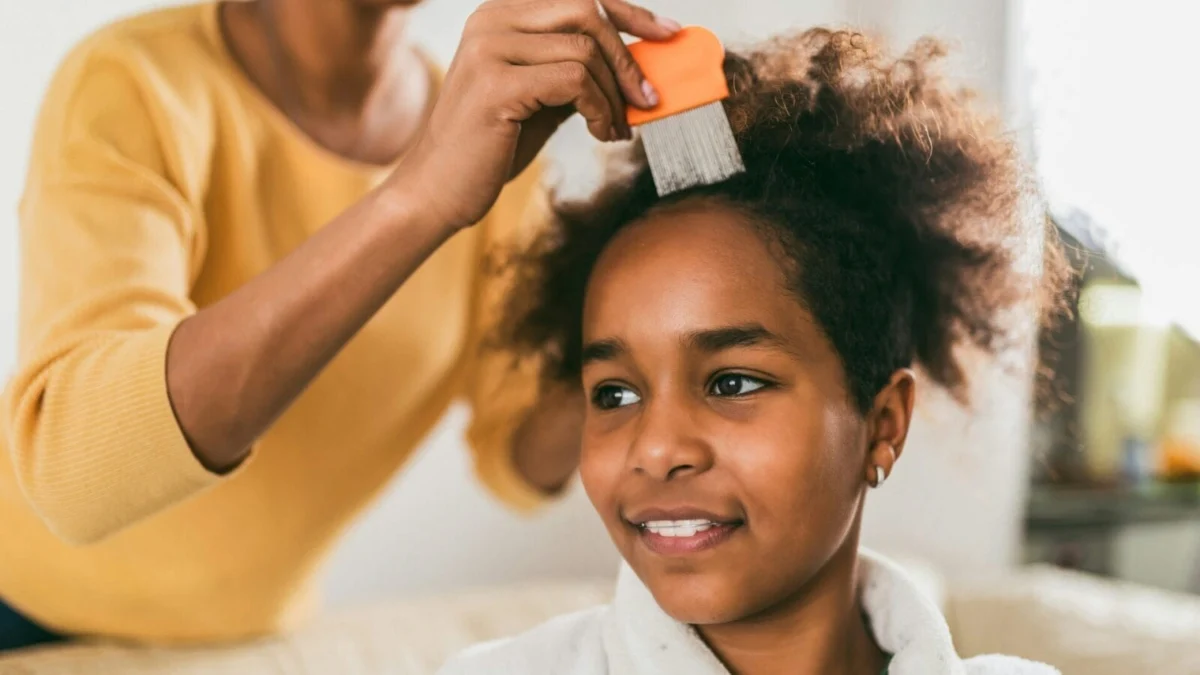
Accurate Identification and Diagnosis: Effective treatment begins with accurate identification. Good lighting, a magnifying glass, and a fine-toothed comb are indispensable tools. Lice tend to prefer warmer areas of the scalp, so focus inspection on the nape of the neck and behind the ears. Live lice are small, fast-moving, and challenging to spot. Nits, the eggs, are easier to identify; they are tiny, oval, typically yellowish-white, and firmly attached to the hair shaft, usually within a quarter-inch of the scalp. Distinguishing nits from dandruff or hair product residue is key: nits cannot be easily flicked off the hair shaft. If uncertainty persists, a pediatrician or school nurse can confirm the diagnosis.
Effective Treatment Modalities: The landscape of lice treatments has evolved significantly.
- Traditional Pesticide-Based Treatments: Over-the-counter products containing permethrin or pyrethrins work by paralyzing and killing lice through neurotoxic action. While still available, their efficacy has diminished due to widespread louse resistance. Concerns about applying pesticides to children’s scalps also lead many parents to seek alternatives.
- Non-Pesticide Treatments: A newer generation of treatments employs physical mechanisms to kill lice, bypassing resistance issues. These often contain silicone-based ingredients (like dimethicone) or naturally derived oils that coat the lice, suffocating or dehydrating them. Cartwheel’s "Nit Happens" treatment, for example, utilizes "naturally derived oils and mild cosmetic abrasives that physically dehydrate the lice." This mechanical action prevents lice from developing resistance, making these products increasingly popular. Such kits typically include the treatment solution, removal shampoo, a professional-grade nit comb, and gloves, streamlining the process.
- The Indispensable Role of Combing: Regardless of the treatment chosen, thorough wet-combing with a high-quality metal nit comb is non-negotiable. The treatment kills or immobilizes the lice, but combing physically removes the dead or stunned lice and, crucially, the nits. This manual removal is paramount to breaking the life cycle and ensuring complete eradication. The hair should be wet and conditioned to facilitate comb passage, and combing should be done in small sections, from root to tip, meticulously clearing all debris from the comb after each pass.
Environmental Management: Dispelling Myths: One of the most significant sources of parental panic and unnecessary effort involves house cleaning. The myth that lice can infest furniture, carpets, or stuffed animals for extended periods leads to extensive, often futile, cleaning endeavors. Joanna Shu emphatically states, "You do not need to buy special pesticides and spray them on fabrics or carpets. It’s totally unnecessary." Lice are obligate human parasites and cannot survive for long off a human host, typically dying within 24-48 hours without a blood meal. Laboratory tests confirm their fragility once removed from the scalp.
Therefore, the recommended cleaning protocol is far less arduous than commonly believed:
- Wash items that have had recent (within 24-48 hours) head contact (pillowcases, hats, scarves, hair accessories) in hot water and dry them on a high heat cycle.
- Soak brushes and combs in hot water (at least 130°F/54°C) for 5-10 minutes or discard them.
- For items that cannot be washed (e.g., stuffed animals), seal them in a plastic bag for a few days, or simply refrain from using them for a similar period.
- A quick vacuuming of areas where the infested person frequently sits or sleeps is sufficient for peace of mind.
The crucial takeaway is that "Lice are primarily a scalp issue, not a house issue," as Shu emphasizes. This perspective drastically reduces the burden of environmental cleaning.
The Psychological and Social Dimensions
Beyond the physical nuisance, lice infestations carry significant psychological and social weight for both children and parents.
Addressing Stigma and Fostering Resilience: Children, particularly school-aged ones, can be deeply affected by the stigma associated with lice. They may fear being teased, excluded, or perceived as "dirty" by their peers. Parents’ reactions significantly influence a child’s perception of the event. A calm, matter-of-fact approach from parents can help normalize the experience. Joanna Shu suggests a reassuring tone: "This happens sometimes when kids play close together. It’s annoying, but we’ll take care of it." This narrative teaches children that while certain situations are inconvenient, they are manageable and do not reflect personal failure. "If we respond with panic or shame, kids can internalize the idea that these normal experiences are embarrassing," Shu notes. "But if we approach them calmly, we model resilience and problem-solving." This parental modeling is a critical life lesson.
Community Communication and School Policies: Notifying schools and other parents is a necessary step, but it should be done discreetly and without inducing panic or blame. Many schools have "no-nit" policies, requiring children to be free of nits before returning to class, although this policy is increasingly debated by public health experts who argue that nits alone are not a sign of active infestation or contagiousness. A simple, factual message to the school and close contacts, such as, "Just a heads-up that we discovered lice and are treating it. You may want to check your child just in case," is appropriate. This approach fosters community awareness without an "apology tour" or exacerbating stigma.
Prevention and Long-Term Management
Treating an infestation is one step; preventing recurrence and ensuring complete eradication requires diligence.
Proactive Strategies:
- Hair Management: For children with long hair, keeping it tied back in braids or ponytails can significantly reduce the risk of transmission. Loose, long hair provides an easier "bridge" for lice to transfer during head-to-head contact.
- Protective Products: Using a leave-in conditioner or detangler can make hair less hospitable for lice. The coating on the hair shaft makes it harder for lice to grip, much like "trying to hold on to a rope covered in conditioner," as Shu humorously describes.
- Routine Checks: Regular, quick checks with a fine-toothed comb, especially during periods of high transmission (e.g., after school breaks, sleepovers), can help detect new infestations early before they become widespread.
Follow-up Protocols: Most effective lice treatments require a second application seven to ten days after the first. This crucial step targets any nits that may have survived the initial treatment and hatched, ensuring that the new generation of lice is killed before they can mature and reproduce. Skipping this second treatment is a common reason for persistent or recurring infestations. Daily wet-combing for several days post-treatment, followed by checks every few days for a week or two, is also recommended. If nits are still observed after treatment, checking their distance from the scalp can be reassuring: nits more than an inch away are likely old, empty casings, and not indicative of an active infestation.
When Professional Intervention is Warranted
While most families can successfully manage lice at home with the right tools and information, professional lice removal services offer a valuable resource. These services are particularly beneficial for:
- Families struggling with persistent infestations despite diligent home treatment.
- Parents overwhelmed by the process, especially when dealing with very long, thick, or curly hair.
- Individuals who are unsure about diagnosis or treatment efficacy.
- Those who simply prefer to outsource the labor-intensive combing process.
As Joanna Shu rightly points out, "Getting support isn’t a failure. It’s just another tool." Professional services provide expertise, specialized equipment, and often guarantee eradication, offering peace of mind for stressed parents.
Conclusion: A Shift in Perspective
The journey from the initial shock of discovering head lice to calmly and effectively managing an infestation reflects a significant shift in understanding and approach. The overarching message, distilled by experts like Joanna Shu, is profoundly liberating: "Lice are a parenting inconvenience, not a parenting failure." This perspective challenges decades of shame and stigma, replacing it with factual information and practical strategies.
By embracing modern, non-pesticide treatments, understanding the true nature of lice transmission and survival, and adopting a calm, communicative approach with children and communities, parents can navigate head lice infestations with greater confidence and less emotional distress. The focus moves from frantic overreaction to methodical problem-solving, turning a potentially traumatic event into a manageable challenge. And perhaps, as the viral TikTok of a family hosting a "lice funeral" suggests, finding a moment of humor in the absurdity can be its own form of therapeutic release, teaching children resilience and demonstrating that even the most irritating inconveniences can be faced with a smile.

0 Comments