
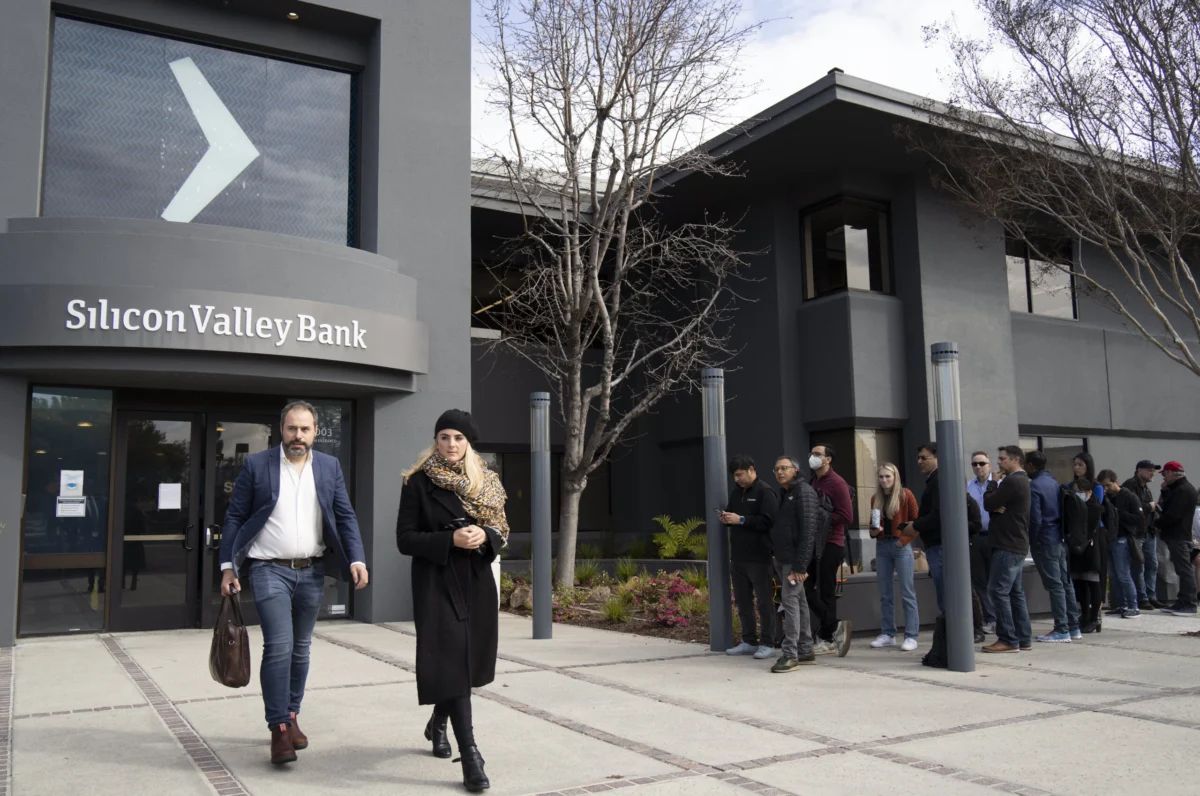
The dramatic collapse of Silicon Valley Bank (SVB) in March 2023 sent shockwaves through the global financial system and the American startup ecosystem, leaving a significant vacuum in the specialized banking services vital to the technology sector. Amidst the chaos and uncertainty, JPMorgan Chase, already a titan of finance, saw not just risk but an unprecedented opportunity. This period marked a pivotal moment for the banking giant, accelerating its long-standing ambition to become the undisputed leader in serving founders, venture capitalists, and high-growth technology companies, transforming a crisis into a strategic expansion.
The events of March 2023 unfolded with breathtaking speed, beginning with an urgent call on March 9, 2023, that pulled JPMorgan executive Doug Petno from a colleague’s retirement party in New York City. His boss, Chairman and CEO Jamie Dimon, relayed a critical inquiry from regulators: Was JPMorgan interested in acquiring Silicon Valley Bank? This question underscored the severity of the unfolding crisis at the West Coast lender, known for its deep ties to the startup community, which was experiencing a catastrophic run on deposits.
The Weekend That Shook the Startup World
Silicon Valley Bank, once the 16th largest bank in the U.S., had become an indispensable financial partner for countless tech startups, venture capital firms, and high-net-worth individuals within the innovation economy. Its downfall was swift and stark, triggered by a combination of factors: an overreliance on a concentrated base of uninsured deposits from tech companies, significant unrealized losses on its bond portfolio due to rapidly rising interest rates, and a subsequent loss of confidence that led to a frantic withdrawal of funds. On March 9 alone, SVB customers attempted to pull $42 billion, an outflow that proved insurmountable for the institution.
By March 10, 2023, California’s finance regulators were compelled to seize SVB, placing it under the receivership of the Federal Deposit Insurance Corporation (FDIC). This sudden collapse left hundreds of thousands of startups and their employees in a state of panic, fearing they would lose access to their operational capital, jeopardizing payrolls and immediate survival. The weekend that followed was a blur of high-stakes deliberations for JPMorgan’s leadership. Dimon, Petno, and their teams meticulously weighed the pros and cons of purchasing the beleaguered bank.
Ultimately, JPMorgan decided against acquiring SVB. The rationale was clear: in the immediate aftermath of SVB’s failure, a massive "flight to safety" commenced within the tech community. Startups and venture capitalists, desperate to secure their funds, began flocking to larger, more stable financial institutions. JPMorgan, with its fortress balance sheet and global reach, became a primary beneficiary. "We had three years’ worth of incoming clients in a weekend," Petno, who serves as co-head of JPMorgan’s commercial and investment bank, recalled in an exclusive interview. "Onboarding teams were opening up accounts around the clock." This organic influx of clients validated a core belief within JPMorgan: the demand for stable, comprehensive banking solutions in the innovation economy was immense and underserved by the existing landscape.
A Strategic Vacuum and a New Vision
The immediate aftermath of the SVB crisis revealed a significant market vacuum. While SVB had carved out a unique niche, its demise highlighted the fragility of a specialized banking model without the diversification and scale of a universal bank. Beyond SVB, newer fintech startups like Brex, Ramp, and Mercury had also emerged, offering digital-first banking and financial services tailored to founders and venture capital investors. Petno recognized this confluence of events as a unique strategic inflection point.
"We went to our board and said, ‘there’s a vacuum in the market,’" Petno explained. "At that very moment, everybody saw the opportunity." The sheer volume of new clients seeking refuge at JPMorgan demonstrated a clear need for a trusted, comprehensive financial partner that could understand the unique demands of the tech sector while offering the security and breadth of services that only a global powerhouse could provide. This realization spurred JPMorgan to accelerate its efforts to build a robust, competitive offering specifically for the innovation economy.
JPMorgan’s Foray into the Innovation Economy: A History of Evolution
JPMorgan’s interest in the startup banking sector was not entirely new. The bank initiated its dedicated startup banking business in 2016, recognizing the burgeoning influence of the tech sector and the need to engage with these companies early in their lifecycle. However, its initial approach was more conservative, primarily targeting larger, more mature startups. This measured entry was partly due to JPMorgan’s evolving digital capabilities; at the time, it lacked the seamless, digital-first banking solutions that younger founders increasingly demanded. Petno acknowledged this past limitation, stating, "They want to go to the website to open an account, and if it’s more than 15 minutes, they’re done." Furthermore, the bank’s investment banking capacity was not yet fully geared towards supporting smaller, riskier ventures.
For years, the perception among some in the venture capital community was that JPMorgan, despite its scale, was cumbersome for startups—slow to open accounts and requiring time-consuming branch visits for resolving issues. The SVB crisis, however, served as a powerful catalyst, forcing JPMorgan to rapidly address these perceived shortcomings and adapt its offerings to meet the heightened expectations of a disrupted market.
The First Republic Acquisition: A Catalyst for Accelerated Growth
The strategic build-out was dramatically bolstered by another significant banking crisis shortly after SVB’s collapse. In late April 2023, JPMorgan found itself once again evaluating the acquisition of a wounded California-based bank: First Republic Bank. First Republic, like SVB, had a strong presence among the affluent tech community and high-net-worth individuals, though with a slightly different client profile. This time, JPMorgan made the winning bid, acquiring First Republic in an FDIC-assisted transaction on May 1, 2023.
The acquisition of First Republic proved to be a game-changer for JPMorgan’s innovation economy ambitions. It brought with it not only a substantial client base but also valuable operational infrastructure and specialized talent that had served the tech and affluent markets. With fresh learnings from the SVB crisis and the newly integrated banking operations of First Republic, JPMorgan’s startup banking business experienced exponential growth. The company reported doubling its revenue from startup banking in 2023, a testament to the accelerated strategy and successful integration.
Crucially, JPMorgan also moved swiftly to onboard key talent from the disrupted ecosystem. Among the significant hires was John China, the former President of SVB Capital, who now co-leads JPMorgan’s innovation economy business alongside Andrew Kresse. These strategic hires brought invaluable institutional knowledge, relationships, and a deep understanding of the unique needs and culture of the startup world, further cementing JPMorgan’s credibility in the space.
The Business Model: Beyond Deposits
JPMorgan’s aggressive push into startup banking is about more than just capturing deposits, although that remains a significant component. For a bank with over $180 billion in revenue last year and a formidable tech budget of nearly $20 billion this year, the innovation economy niche represents a multifaceted strategic imperative. It’s a key element of its broader growth strategy, aiming to secure relationships with companies at their earliest stages, nurturing them through their growth cycles, and ultimately capturing lucrative investment banking, private banking, and wealth management opportunities as they mature.
Moreover, engaging with the startup community is a vital mechanism for JPMorgan to stay abreast of cutting-edge technological developments. The firm actively seeks to learn from its startup clients, looking for solutions to its own complex challenges, from enhancing cybersecurity protocols to exploring the frontiers of quantum computing and artificial intelligence. Petno highlighted this symbiotic relationship: when a JPMorgan client announces AI-related cutbacks, the bank often dispatches a team to understand the implementation strategies and learn from their processes. While new AI agents contribute, Petno noted that often, over-hiring and inefficient processes are larger drivers of such adjustments.
JPMorgan has significantly refined its client onboarding process. While digital solutions are paramount, the bank acknowledges that traditional interactions still occur. Petno described instances where a startup founder might walk into a Chase branch with a substantial funding check. Now, sophisticated internal systems immediately identify and route such clients to the specialized startup team, ensuring they receive tailored services rather than being handled through general retail banking channels.
Challenges and the Competitive Landscape
Today, JPMorgan has quadrupled its total client base in the innovation economy business to nearly 12,000, supported by a dedicated team of 550 bankers strategically located on both the East and West Coasts. This specialized team draws upon the vast resources of different parts of the company: founders and venture capital investors are often clients of the private bank, startups are serviced by the commercial bank, and VC funds have separate relationships, many of which were integrated from the First Republic acquisition. While specific revenue figures for this segment remain undisclosed, Petno affirmed that the startup business boasts a "dramatically higher" growth rate compared to the bank’s established main business lines.
Despite these successes, Petno acknowledges that JPMorgan’s digital banking offerings for startups are still evolving, hinting at ongoing projects aimed at leapfrogging competitors. The competitive landscape remains vibrant and diverse, encompassing the revitalized SVB (now owned by First Citizens Bank), along with fintech innovators like Mercury and Ramp, and traditional financial institutions such as Stifel and Customers Bank. The sector also saw significant consolidation in January when Capital One acquired Brex for an impressive $5.15 billion, signaling the continued strategic value placed on this niche.
Future Outlook and Long-Term Ambition
JPMorgan’s ultimate vision for its innovation economy business is ambitious: to become the singular, indispensable financial partner for founders and their ventures, from the earliest seed rounds through to initial public offerings (IPOs) and beyond. This "one-stop shop" approach aims to provide not only core banking accounts but also a comprehensive suite of lucrative investment banking advisory services, private wealth management, and support for international expansion.
The strategy involves identifying promising companies early, much like SVB did, and cultivating long-term relationships. By aligning with companies that are expected to be "winning bets," JPMorgan aims to capture the full lifetime value of these client relationships. Petno articulated this long-term ambition succinctly: "Once you’re onboarded, you can never outgrow JPMorgan, from unicorn all the way to a Magnificent 7." This statement encapsulates the bank’s aspiration to serve companies at every stage of their evolution, from nascent startups to global technology giants.
The events of March 2023 not only reshaped the banking landscape for the tech sector but also presented JPMorgan Chase with a unique opportunity to solidify its position as a dominant force in the innovation economy. By strategically leveraging its stability, scale, and newly acquired capabilities, the banking giant is actively building a future where it is inextricably linked to the success of the next generation of groundbreaking companies. The crisis, while devastating for some, proved to be a powerful catalyst for JPMorgan’s strategic growth and its deepened commitment to the world of startups.

0 Comments