
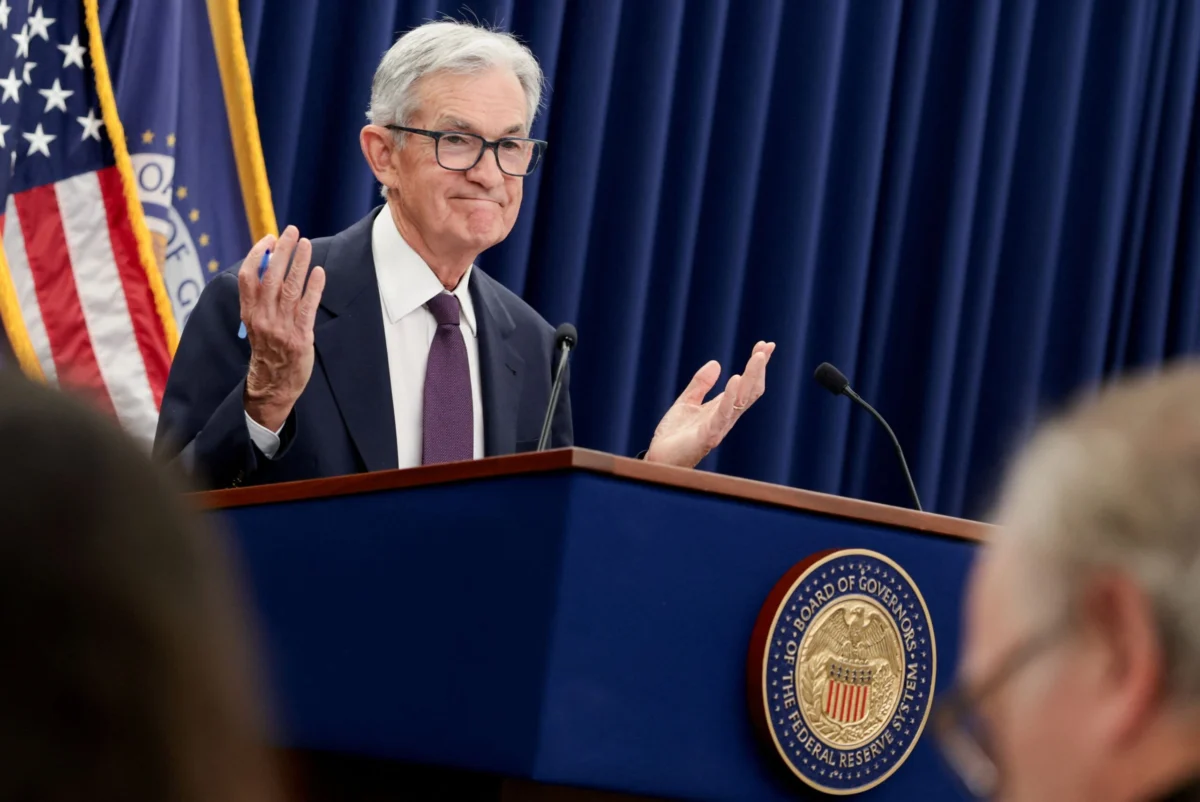
The landscape for monetary policy in the United States has dramatically shifted, as escalating geopolitical tensions in the Middle East, specifically the recent U.S.-Israel attacks on Iran, have ignited a sharp surge in energy prices and reignited dormant inflation fears. This confluence of events has prompted a significant recalibration of expectations for Federal Reserve interest rate cuts, with traders and economists largely abandoning hopes for an early summer easing from the central bank. The once-anticipated quarter-percentage-point rate reduction in June, possibly followed by another in September, has now receded into uncertainty, replaced by a cautious outlook that prioritizes the ongoing fight against inflation.
The Unraveling of Rate Cut Hopes
Just weeks ago, market participants were broadly pricing in a series of accommodative moves by the Federal Reserve. Calculations from CME Group’s FedWatch tool indicated a strong probability of a 25-basis-point rate cut in June, with a subsequent reduction expected in September, and even an outside chance of a third cut before the year’s end, depending on evolving economic indicators. This optimistic outlook was predicated on several key assumptions: a gradual softening of the labor market, sustained moderation in inflation figures, and the impending arrival of a new, potentially more dovish Fed Chair in May, presumed to be Kevin Warsh, President Donald Trump’s pick.
However, the rapid deterioration of the geopolitical situation in the Persian Gulf has fundamentally altered this narrative. The U.S.-Israel attacks on Iran, which commenced around March 12, 2026, sent immediate shockwaves through global energy markets. Crude oil benchmarks, notably Brent, surged to approximately $100 a barrel, a psychological and economic threshold that instantly raised concerns about renewed inflationary pressures across the global economy. This sudden spike in energy costs served as a stark reminder of oil’s potent ability to fuel price increases across various sectors, from transportation and manufacturing to consumer goods.
Geopolitical Catalyst: The Iran Conflict and Oil Market Volatility
The U.S.-Israel military actions against Iran represent a significant escalation in an already volatile region. While specific details of the attacks remain partially under wraps, their strategic aim appears to be a direct response to perceived Iranian threats or actions, leading to an immediate and severe reaction in energy markets. Iran, a major oil producer and a pivotal nation controlling the Strait of Hormuz, holds immense sway over global energy flows. The Strait of Hormuz, a narrow chokepoint between the Persian Gulf and the Gulf of Oman, is one of the world’s most strategically important maritime passages, through which roughly one-fifth of the world’s total oil consumption, and a substantial portion of global liquefied natural gas (LNG), passes daily. Any disruption or even the credible threat of disruption to shipping through this strait inevitably triggers a sharp increase in oil prices, reflecting supply fears.
The immediate aftermath of the conflict saw oil prices not just rise but accelerate sharply, breaching critical resistance levels. Analysts swiftly pointed to the increased risk premium now embedded in crude futures, reflecting the heightened probability of supply disruptions or prolonged regional instability. Historically, geopolitical events in the Middle East have been primary drivers of oil price spikes, often leading to global economic slowdowns or inflationary surges. The 1973 oil crisis, the 1979 Iranian Revolution, and the 1990 Gulf War are prominent examples of how regional conflicts can have profound and lasting impacts on global energy markets and, by extension, inflation and monetary policy. The current situation, with Brent crude settling above $100, evokes similar concerns, forcing central banks worldwide to reconsider their easing strategies.
Inflationary Headwinds and the Fed’s Dual Mandate
The Federal Reserve operates under a dual mandate: to achieve maximum employment and maintain price stability, typically defined as a 2% annual inflation rate for the Personal Consumption Expenditures (PCE) price index. For the better part of two years, the Fed has been engaged in an aggressive campaign to bring down inflation, which soared to multi-decade highs in the wake of the COVID-19 pandemic and subsequent supply chain disruptions. Through a series of rapid interest rate hikes, the Fed successfully cooled demand and brought headline inflation down from its peak, though it remained stubbornly above the 2% target.
The prospect of sustained high energy prices threatens to undo much of this progress. Higher oil prices feed directly into headline inflation through increased fuel costs for consumers and businesses. Indirectly, they raise the cost of transportation for goods, manufacturing inputs, and agricultural production, eventually propagating through the entire economy. This "second-round effect" is particularly concerning for policymakers, as it can lead to embedded inflation expectations, making it even harder to bring prices down without significant economic contraction.
Economists are now closely watching the upcoming release of the Personal Consumption Expenditures (PCE) price index data for January. Scheduled for Friday morning, this data is a crucial gauge for the Fed. Dow Jones-surveyed economists anticipate that core PCE, which strips out volatile food and energy components and is a key focus for Fed officials, will show an increase to 3.1% on an annual inflation rate. Such a reading would represent a 0.1 percentage point gain from December’s figures and signify a further deviation from the Fed’s 2% target. More critically, it would indicate that inflationary pressures were percolating even before the latest Iran strike, suggesting a broader and more persistent inflationary environment than previously assumed.
Bank of America economist Stephen Juneau, in a recent note, underscored this concern, stating that while some important components of inflation—housing, in particular—are showing signs of stabilizing or receding, inflation otherwise "has been rangebound and remains above levels consistent with 2% core PCE." He concluded, "The upshot is that the Fed should not be in a rush to ease rates further," encapsulating the sentiment rapidly gaining traction among analysts.
The Labor Market and the Shifting Dovish Stance
A key component of the earlier optimistic outlook for rate cuts was the expectation of a softening labor market. Recent jobs reports had shown signs of moderation, with job growth slowing from its torrid pace and wage growth, while still robust, showing some signs of deceleration. A gradual increase in the unemployment rate from its historically low levels was seen as a necessary condition to ease wage pressures, which are a significant driver of services inflation. This anticipated cooling of the labor market, combined with moderating inflation, was supposed to provide the Fed with the necessary headroom to begin lowering rates without reigniting price pressures.

However, the resurgence of inflation fears due to energy prices complicates this picture significantly. Even if the labor market continues to soften, a sustained inflationary impulse from energy could force the Fed to maintain a tighter monetary policy stance for longer than anticipated. Goldman Sachs economists, while adjusting their forecast to push back the next rate cut to September from June, acknowledged this interplay. They noted, "If the labor market weakens sooner and more substantially than we expect, we do not think that concern about the impact of higher oil prices on inflation and inflation expectations would be an obstacle to earlier rate cuts." This statement highlights the delicate balancing act the Fed faces: a significantly weaker labor market might still prompt cuts, but persistent inflation from energy would make such decisions much harder.
The Federal Open Market Committee’s Next Steps
The rate-setting Federal Open Market Committee (FOMC) is scheduled to issue its next rate decision on March 18. Given the current geopolitical climate and the updated inflation outlook, traders are assigning a nearly 100% probability to the committee staying on hold, maintaining the federal funds rate at its current level. This decision would mark a continuation of the Fed’s cautious approach, allowing policymakers more time to assess the full impact of the recent energy price shock and forthcoming economic data.
The minutes from previous FOMC meetings reveal a committee grappling with the final mile of disinflation. While acknowledging progress, many officials have expressed a desire for greater confidence that inflation is sustainably moving towards the 2% target before contemplating rate reductions. The recent events have undoubtedly reinforced this cautious posture, making any dovish pivots highly unlikely in the immediate term.
Leadership Transition and Political Pressure
The ongoing policy debate is further complicated by the impending leadership transition at the Federal Reserve. Current Chair Jerome Powell is set to leave his position in May, with President Donald Trump’s presumptive pick, Kevin Warsh, expected to take the helm. Warsh, a former Fed governor, has been characterized by some as potentially more inclined towards aggressive easing, a stance that aligns with Trump’s frequent public calls for lower interest rates.
Indeed, even with Brent crude settling above $100, President Trump reiterated his demand for immediate rate cuts. In a post on Truth Social, he stated, "Where is the Federal Reserve Chairman, Jerome ‘Too Late’ Powell, today? He should be dropping Interest Rates, IMMEDIATELY, not waiting for the next meeting!" Such direct political pressure on the independent central bank is not uncommon, especially from President Trump. However, the Federal Reserve has historically emphasized its independence from political influence, making decisions based on economic data and its dual mandate rather than presidential directives.
The arrival of a new chair, particularly one perceived as dovish, might eventually shift the Fed’s trajectory. However, even a new chair would face the same economic realities: persistent inflation, especially from energy shocks, severely constrains the ability to ease aggressively without risking a resurgence of price pressures. Traders in the fed funds futures market have already pushed back expectations for any additional cuts well into 2027 or even early 2028, reflecting the market’s conviction that the fundamental economic environment will dictate policy more than a chair’s personal inclination.
Broader Economic Implications and the Path Forward
The revised outlook for Fed policy has far-reaching implications for consumers, businesses, and global financial markets. For consumers, a prolonged period of higher interest rates means continued elevated borrowing costs for mortgages, auto loans, and credit cards. Combined with higher energy prices, this could further squeeze household budgets, potentially dampening consumer spending, which is a major driver of economic growth.
Businesses will also face increased financing costs, potentially impacting investment decisions, hiring plans, and overall expansion. Sectors heavily reliant on energy, such as transportation and manufacturing, will see their input costs rise, which could lead to lower profit margins or passed-on costs to consumers.
Globally, a more hawkish stance from the Fed, even if reactive to external shocks, tends to strengthen the U.S. dollar. A stronger dollar can make U.S. exports more expensive and make imports cheaper, but it can also create headwinds for emerging markets, which often have dollar-denominated debt.
The path forward remains highly contingent on two critical factors: the trajectory of the geopolitical situation in the Middle East and the subsequent evolution of inflation data. Should the conflict de-escalate and energy prices stabilize or recede, it could reinstall a sense of normalcy in the markets and potentially renew hopes for more accommodative monetary policy later in the year. Conversely, a prolonged or intensified conflict, leading to sustained high oil prices, would likely entrench the Fed’s cautious stance, making rate cuts a distant prospect.
The Federal Reserve now finds itself in an unenviable position, balancing the risks of over-tightening and stifling economic growth against the imperative of taming persistent inflation. The immediate future of U.S. monetary policy will be less about proactively easing and more about reactively managing the fallout from a volatile global energy market and stubbornly high domestic price pressures. All eyes will be on the upcoming PCE data, the March FOMC meeting, and, critically, the unfolding drama in the Middle East.

0 Comments