
The meticulous arrangement of a home kitchen offers a profound insight into the culinary habits of its inhabitants. From the curated selections of condiments lining refrigerator doors to the organized chaos of spice racks, each element tells a story of how meals are conceived and prepared. This fascination extends to the very tools that facilitate the cooking process. However, when it comes to the implements themselves, a certain professional scrutiny emerges, particularly when faced with an overabundance of ill-suited or redundant kitchenware. This critical examination, while rooted in a deep appreciation for effective kitchen design, highlights a common challenge: the accumulation of tools that, despite their presence, rarely contribute to optimal cooking outcomes.
The Overcrowded Tool Crock: A Culinary Dilemma
The phenomenon of the overflowing tool crock, a common sight in many kitchens, often elicits a strong reaction from experienced cooks. The presence of flimsy spatulas, unwieldy spoons with exaggerated handles, and overly long, spring-loaded tongs can be a visual representation of unused potential and misplaced priorities in kitchen organization. This accumulation frequently stems from a well-intentioned desire to be prepared for any culinary task, but often results in clutter and inefficiency. The practical implications are significant: searching through a jumble of mismatched tools can be time-consuming and frustrating, detracting from the enjoyment and flow of the cooking experience.
For those with limited kitchen space, such as in urban apartments or smaller homes, the need for a curated selection of essential tools becomes paramount. This necessity drives a more deliberate approach to kitchen inventory, prioritizing multi-functional items that offer precision and durability. The goal is to create an efficient workspace where every tool serves a clear purpose and contributes to a streamlined cooking process. This philosophy of selective utility is not merely about aesthetics; it directly impacts the effectiveness and enjoyment of cooking.
Essential Tools for the Modern Home Cook
The modern home kitchen, particularly one prioritizing efficiency and functionality, often benefits from a carefully chosen set of core culinary tools. Based on expert recommendations and practical usage, a highly effective ensemble includes:
- Precision Tongs (8-inch): A pair of well-constructed, medium-sized tongs is indispensable for a wide range of tasks, from flipping delicate fish to securely grasping ingredients during searing. The 8-inch length strikes a balance between reach and control, making them versatile for most stovetop applications. Data from culinary institutions suggests that the average home cook utilizes tongs for approximately 60% of their stovetop cooking activities, underscoring their importance.
- Short-Handled Cooking Spoons: These spoons are ideal for stirring, sautéing, and serving smaller portions. Their shorter handles provide greater maneuverability in tighter spaces and allow for more precise control over ingredient movement within a pan. Studies on kitchen ergonomics indicate that shorter tool handles can reduce strain and improve accuracy for tasks requiring fine motor skills.
- Small and Medium Rubber Spatulas: Essential for scraping bowls clean, folding ingredients, and gently manipulating delicate mixtures, rubber spatulas are vital. The availability of both small and medium sizes caters to varying container depths and batch sizes, ensuring no ingredient is wasted. The heat resistance and flexibility of silicone spatulas have made them a preferred choice for many, with market research indicating a consistent year-over-year growth in their sales, reflecting their broad adoption.
- Fish Spatula: This specialized tool, with its thin, flexible blade and angled edge, is surprisingly versatile. While perfect for delicate fish fillets, it also excels at lifting cookies from baking sheets, separating layered dishes, and even serving. Its thin profile allows it to slide easily under food without causing damage.
- Chopsticks: Beyond their traditional use, chopsticks are invaluable for intricate tasks such as testing pasta for doneness, gently separating individual ingredients in a stir-fry, or precisely placing garnishes. Their dexterity and precision make them a surprisingly useful addition to any kitchen arsenal.
- Cake Testers: While their name suggests a singular purpose, cake testers, or long metal skewers, are excellent for checking the doneness of meats, vegetables, or baked goods, as well as for piercing items to allow for even cooking or marinades to penetrate.
The Rise of Precision Kitchen Tools: A Case Study
In recent years, the culinary world has seen a growing appreciation for precision tools that mimic the dexterity and control often associated with professional kitchens. Among these, a particular item has emerged as a standout: the Gestura Stando tweezers. These compact, highly functional implements have garnered significant attention for their ability to perform a wide array of tasks with remarkable accuracy and minimal footprint.
The Gestura Stando tweezers, often referred to as "precision tongs," are designed with a unique grip that allows for nearly flush contact between their tips. This design contrasts with many conventional tongs, where gripping surface area is limited to the very ends. This near-complete closure enables a secure hold on even small or delicate items, making them ideal for tasks such as transferring individual pieces of pasta, meticulously arranging garnishes, or carefully toasting tortillas over an open flame. Their design also facilitates efficient retrieval from narrow-necked jars, minimizing the need for larger, more cumbersome utensils.
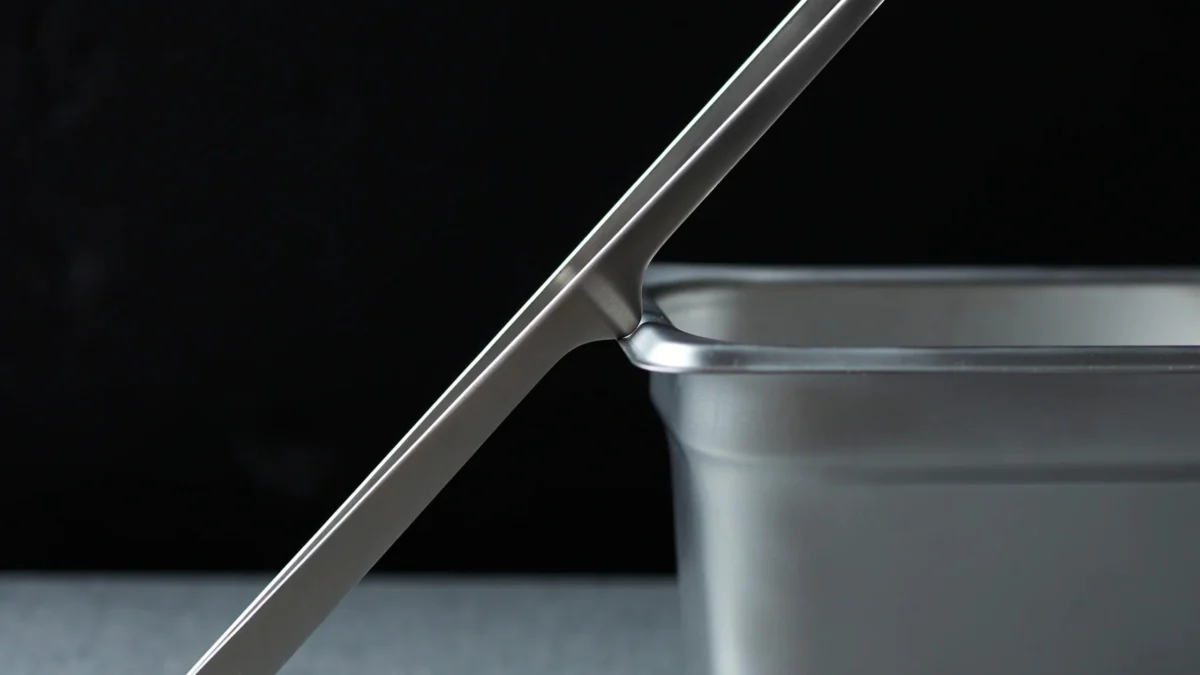
Furthermore, the thoughtful engineering of the Stando tweezers includes a flared midpoint. This feature allows the tweezers to rest securely on a countertop without the gripping tips coming into contact with the surface, thus maintaining hygiene. They can also be conveniently perched on the rim of containers, preventing accidental slips. This ergonomic consideration is crucial in a busy kitchen environment, where efficiency and cleanliness are paramount.

Historical Context and Evolution of Kitchen Tools
The evolution of kitchen tools has been a continuous process, driven by innovations in materials, design, and culinary techniques. Early cooking implements were often rudimentary, fashioned from natural materials like wood and stone. The advent of metalworking and later, the industrial revolution, led to mass production and a wider variety of specialized tools.
The mid-20th century saw a boom in kitchen gadgetry, with many new tools designed to simplify or automate tasks. This era, however, also contributed to the problem of kitchen clutter, as countless single-purpose gadgets flooded the market. More recently, there has been a discernible shift back towards multi-functional, high-quality tools that emphasize durability and precision. This trend is partly a reaction against the overabundance of less effective gadgets and partly a reflection of a renewed focus on the craft of cooking.
The Stando tweezers can be seen as a product of this contemporary culinary philosophy. They represent a deliberate move away from bulky, often inefficient tools towards compact, high-performance implements that enhance, rather than hinder, the cooking process. Their design directly addresses the challenges of limited counter space and the desire for greater control in food preparation.
Data and Analysis: The Impact of Precision Tools
The widespread adoption of precision tools like the Gestura Stando tweezers suggests a quantifiable impact on cooking efficiency and user satisfaction. While specific data on the widespread adoption of this particular tool is still emerging, general market trends provide a clear indication. The global market for kitchen gadgets and utensils is valued in the billions of dollars, with a significant segment dedicated to specialized tools. Consumer surveys consistently show that ease of use, durability, and space-saving design are key purchasing factors for kitchenware.
The Stando tweezers directly address these consumer priorities:
- Space Efficiency: By performing the functions of larger tongs and offering enhanced dexterity, they reduce the need for multiple tools, freeing up valuable counter and drawer space. This is particularly relevant in the context of shrinking average kitchen sizes in urban environments.
- Enhanced Control and Precision: The design that allows for nearly flush gripping ensures better handling of delicate ingredients, leading to fewer mistakes and a more refined final product. This precision can translate to improved food presentation and texture.
- Durability and Longevity: High-quality materials and construction, as exemplified by the Stando tweezers, contribute to a longer product lifespan, reducing the need for frequent replacements and contributing to a more sustainable approach to kitchenware acquisition.
Industry Reactions and Broader Implications
The positive reception of tools like the Gestura Stando tweezers within the culinary community signals a broader trend towards thoughtful kitchen design and tool selection. This appreciation for well-engineered, multi-functional items suggests a growing awareness among home cooks of the impact that quality tools can have on their culinary endeavors.
The implications of this trend extend beyond individual kitchens:
- Manufacturers: Companies are increasingly investing in research and development to create innovative, space-saving, and highly functional kitchen tools. There is a growing demand for products that offer both utility and aesthetic appeal.
- Culinary Education: Cooking schools and culinary instructors are likely to incorporate the use and appreciation of such precision tools into their curricula, further reinforcing their importance.
- Consumer Behavior: As more home cooks embrace the philosophy of "less is more" when it comes to kitchen tools, we can expect a shift in purchasing habits, with a greater emphasis on quality over quantity.
Conclusion: A Testament to Efficient Design
The Gestura Stando tweezers, though seemingly a simple tool, represent a significant advancement in kitchen utensil design. They embody the principles of efficiency, precision, and thoughtful engineering, addressing the practical needs of modern home cooks. Their ability to perform a wide range of tasks with exceptional control, all while occupying minimal space, makes them a valuable addition to any kitchen. This innovative approach to tool design not only enhances the cooking experience but also underscores the enduring quest for culinary excellence, one perfectly gripped ingredient at a time. The widespread enthusiasm for such tools suggests a culinary landscape where functionality and elegance are increasingly intertwined, transforming the act of cooking into a more precise and enjoyable endeavor.

0 Comments