
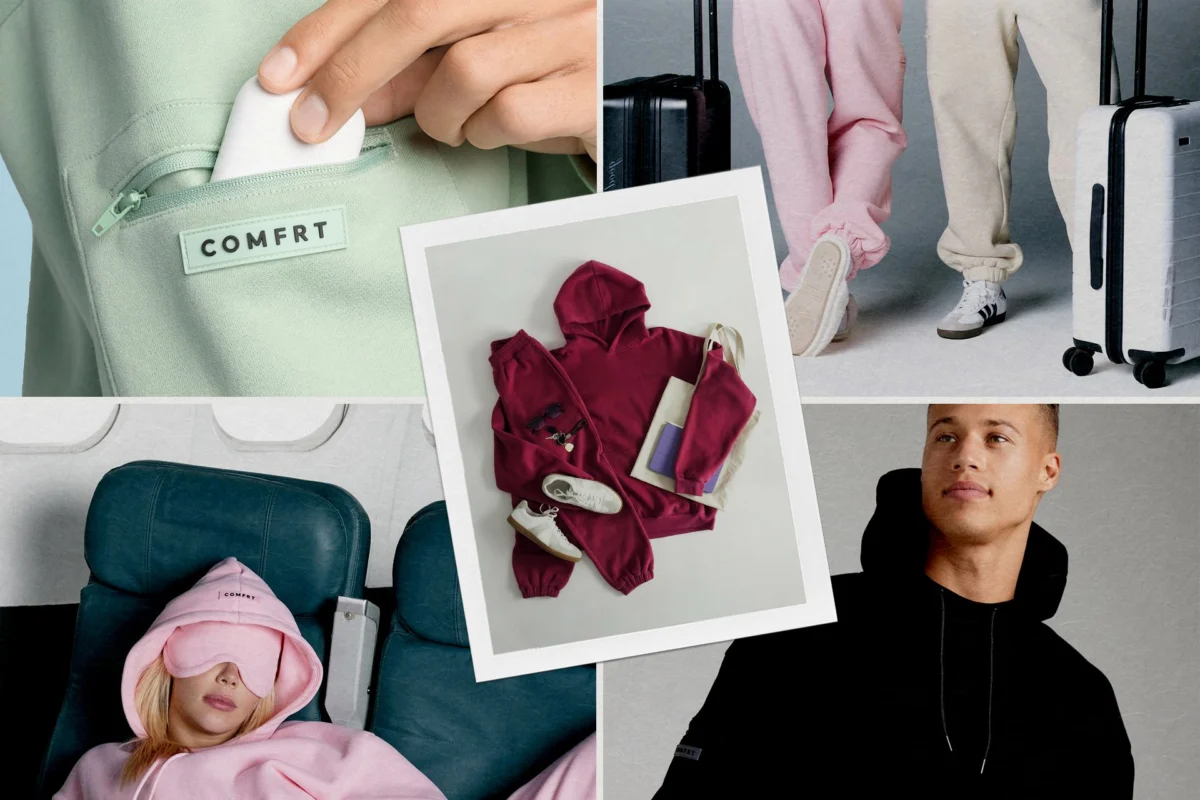
The pursuit of the optimal travel ensemble has long been a challenge for frequent flyers, requiring a precise balance of thermoregulation, aesthetic appeal, and utilitarian functionality. In recent months, a specific garment has emerged as a focal point within the digital marketplace: the Comfrt Airplane Mode travel hoodie. This product, which gained significant traction through viral marketing campaigns on platforms such as TikTok and Instagram, purports to solve the perennial issues associated with long-haul transit, specifically regarding sleep quality and the secure management of travel documents. As international travel volumes return to and exceed pre-pandemic levels, the demand for specialized "travel-leisure" wear has seen a marked increase, positioning products like the Comfrt hoodie at the intersection of fashion and functional gear.
The Evolution of Functional Travel Apparel
The contemporary travel apparel market is currently undergoing a significant transformation. According to industry reports, the global athleisure market was valued at approximately $358 billion in 2023 and is projected to continue its upward trajectory. Within this sector, a niche for "travel-specific" clothing has expanded, driven by a consumer base that prioritizes comfort during extended periods of sedentary transit. Historically, travelers chose between formal attire and basic loungewear; however, the modern traveler increasingly demands garments that incorporate technical features such as moisture-wicking fabrics, hidden security pockets, and integrated sleep aids.
The Comfrt Airplane Mode travel hoodie is a quintessential example of this trend. It is designed to address the specific stressors of the "red-eye" flight—a term used for overnight flights that depart late at night and arrive early the next morning. For many passengers, these flights are essential for maximizing time at their destination, yet they often result in significant sleep deprivation. The integration of an eye mask directly into the hood of a garment represents a shift toward "wearable solutions" for biological needs, such as the maintenance of circadian rhythms in light-polluted environments like airplane cabins.

Technical Specifications and Design Architecture
The construction of the Airplane Mode travel hoodie deviates from standard mass-market fleece garments. It utilizes a heavyweight blend of approximately 50% cotton and 50% polyester. This hybrid composition is intentional: the cotton provides breathability and a soft "blanket-like" tactile experience, while the polyester adds durability, wrinkle resistance, and structural integrity. In a travel context, the thickness of the fabric serves a dual purpose, acting as a buffer against the often-unpredictable air conditioning systems of commercial aircraft and providing a cushioned feel against the rigid surfaces of economy-class seating.
One of the primary differentiators of the Comfrt hoodie is its sophisticated pocket architecture. Security is a paramount concern for international travelers, particularly during the transition through Transportation Security Administration (TSA) checkpoints and international customs. The garment features:
- A dedicated zippered pocket on the right bicep.
- A secondary zippered pocket on the left forearm.
- Concealed mini-pockets located within the traditional front kangaroo pouch.
These features allow for the hands-free storage of high-value items such as passports, mobile devices, and biometric identification. By distributing the weight of these items across the garment, the design reduces the "frantic shuffle" often observed at security gates, where travelers must rapidly consolidate loose items from their pockets into bins.
The Integrated Eye Mask and the Science of In-Flight Sleep
The most notable feature of the Airplane Mode hoodie is the built-in eye mask. For travelers suffering from insomnia or light sensitivity, the cabin environment of a transatlantic flight is suboptimal for rest. Scientific studies on sleep hygiene indicate that even low levels of ambient light can inhibit the production of melatonin, the hormone responsible for regulating sleep-wake cycles.

The Comfrt eye mask is designed to be oversized and is constructed from the same thick, opaque fabric as the rest of the hoodie. When deployed, it covers a significant surface area of the face, effectively blocking out light from overhead reading lamps and cabin windows. From a design perspective, the mask is integrated into the rim of the hood, allowing it to be tucked away when not in use. This ensures the garment retains the appearance of a standard hoodie during transit through the airport or upon arrival at a hotel, addressing the aesthetic concerns of travelers who may feel self-conscious wearing specialized sleep gear in public spaces.
Market Reception and the Impact of Social Media Marketing
The rise of the Comfrt brand is inextricably linked to the "influencer" economy. Data suggests that 40% of consumers are likely to purchase a product after seeing it used by a creator on social media. The Airplane Mode hoodie became a viral sensation through unsponsored and sponsored content alike, as travelers sought "hacks" for making long-haul flights more bearable.
However, the transition from digital trend to physical product involves practical considerations regarding fit and utility. The hoodie utilizes a unisex sizing model, which often results in a boxier, more voluminous silhouette. While this provides the "oversized" aesthetic currently popular in street fashion, it presents challenges for packing. The plush, thick nature of the 50/50 blend makes the garment difficult to compress, requiring significant space in a carry-on bag or backpack if the wearer decides to remove it. Furthermore, the stiffness of the high-density fabric ensures the garment holds its shape, which may be perceived as a lack of drape compared to lighter, technical fabrics used by competitors like Lululemon or Spanx.
Comparative Analysis: The Competitive Landscape
The travel apparel sector is increasingly crowded. To understand the position of the Comfrt hoodie, it must be compared to other industry leaders:

- Lululemon (Dance Studio/City Sweat Lines): These products typically focus on lightweight, moisture-wicking technical fabrics. While they offer superior packability, they often lack the integrated sleep features and the "blanket-weight" warmth of the Comfrt design.
- Spanx (AirEssentials): This line prioritizes a "silky" feel and sophisticated silhouettes. While highly stylish, these garments are often less rugged and do not feature the specialized security pockets found in the Airplane Mode hoodie.
- Rag & Bone (Miramar Line): Focusing on the "trompe l’oeil" look of denim printed on soft cotton, this brand targets the traveler who wants the appearance of formal wear with the feel of pajamas. It lacks the utilitarian "gear" aspect of the Comfrt hoodie.
The Comfrt Airplane Mode hoodie occupies a specific middle ground: it is heavier and more "utilitarian" than traditional athleisure, functioning more as a piece of travel equipment than a mere fashion statement.
Chronology of the User Experience
The utility of a travel garment is best measured through the chronology of a standard international trip.
- Pre-Flight: The hoodie serves as a primary layer for early-morning commutes to the airport. The multiple pockets allow the traveler to keep their phone and boarding pass accessible while handling luggage.
- Security Processing: At the TSA line, the zippered arm pockets prevent the loss of small items during the removal of shoes and belts.
- In-Flight: During the cruise phase of the flight, the fabric thickness provides insulation against the cold air at 35,000 feet. The deployment of the eye mask facilitates an immediate transition into a "sleep mode," independent of the cabin’s lighting schedule.
- Arrival: Upon landing, the mask is stowed, and the garment functions as a standard piece of outerwear suitable for navigating a new city or checking into a hotel.
Broader Implications for the Travel Industry
The success of functional garments like the Airplane Mode hoodie reflects a broader shift in consumer behavior. As airline seating becomes increasingly cramped and "basic economy" fares reduce the amenities available to passengers, travelers are taking the responsibility for their own comfort into their own hands. This "self-contained comfort" trend is likely to drive further innovation in the textile industry.
Future iterations of travel apparel may incorporate even more advanced technologies, such as RFID-blocking fabrics to prevent digital theft, or silver-ion infusions to provide antimicrobial properties—a feature highly valued in the post-pandemic travel era. For now, the Comfrt Airplane Mode travel hoodie stands as a benchmark for how brands can successfully identify a specific pain point—the misery of the long-haul red-eye—and design a specialized solution that resonates with a global audience.
.jpg)
While the $140 MSRP (often found at a promotional price of $59) places it in the mid-to-high range for a sweatshirt, its value proposition lies in its multi-functionality. For the frequent traveler, the cost of the garment is often weighed against the price of individual items it replaces: a high-quality eye mask, a travel pillow, and a secure document organizer. As the industry evolves, the integration of these features into a single, durable garment is likely to become the standard rather than the exception in the world of global transit.

0 Comments