
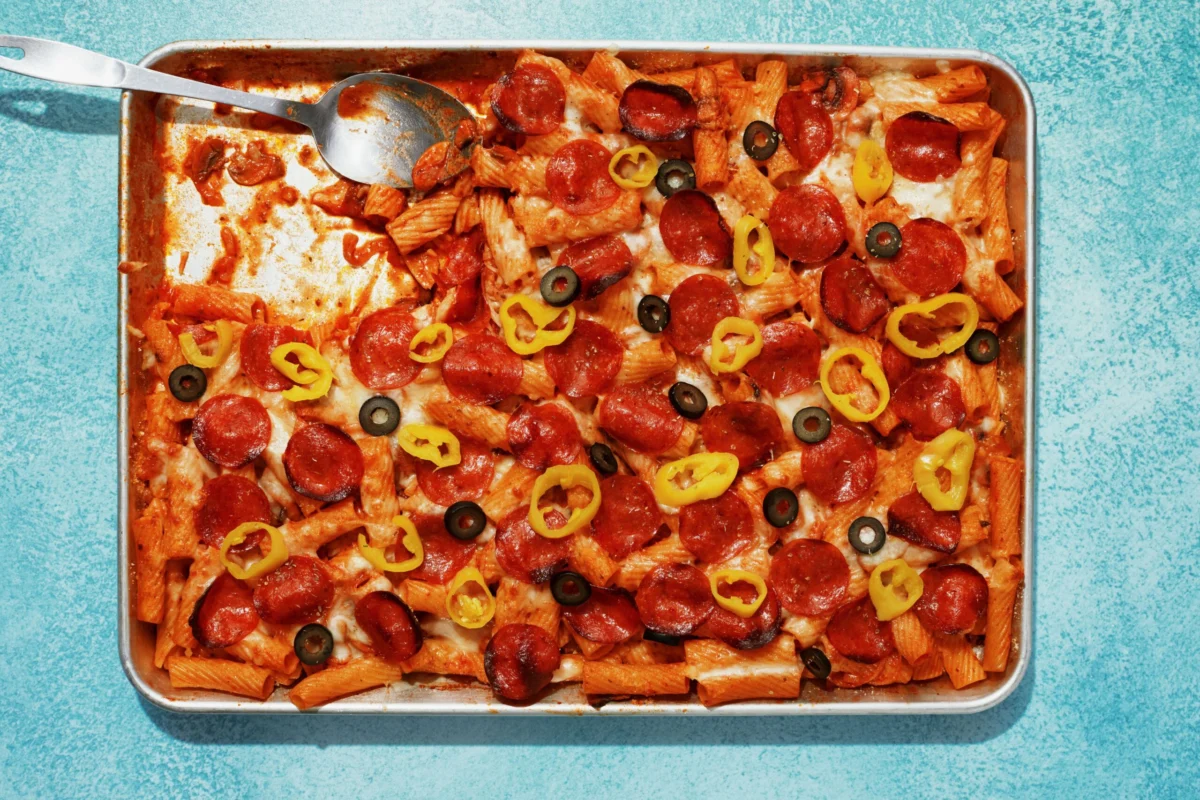
The quest for the perfect weeknight meal often navigates the fine line between convenience and culinary satisfaction. For many, the siren call of takeout pizza, with its promise of tangy sauce, molten cheese, and perfectly crisped pepperoni, is a familiar Saturday night ritual. However, a recent culinary development is challenging this established paradigm, offering a sophisticated yet remarkably accessible alternative that captures the essence of beloved pizza flavors in an entirely new format: the sheet-pan pizza pasta. This innovative dish, championed by culinary publications and home cooks alike, promises a gourmet pizza experience with a fraction of the effort typically associated with elaborate dinner party fare.
The genesis of this dish lies in a desire to elevate the weeknight dinner, moving beyond the usual compromises. While the traditional method of preparing baked pasta involves simmering sauces on the stovetop, this sheet-pan approach pioneers a novel technique. It begins by building a concentrated flavor base directly on the sheet pan itself. Finely grated garlic, infused with the robust aroma of oregano, is combined with a potent double-concentrated tomato paste. This mixture is then tossed with thinly sliced red or yellow onions and button mushrooms, creating a foundation of earthy, savory notes. The pan is then roasted, transforming these ingredients into a sticky, intensely flavorful paste.
The crucial next step involves rehydrating this concentrated base. Pasta-cooking water, a byproduct often discarded, is ingeniously employed to loosen the roasted vegetable mixture, transforming it into a rich, saucy consistency. This vibrant sauce is then scraped into a pot with the cooked rigatoni or other short pasta, ensuring each piece is thoroughly coated. The entire ensemble is then returned to the sheet pan, creating a canvas for the final flourish: a generous blanket of low-moisture mozzarella and finely grated Parmesan cheese. A final trip in the oven melts the cheeses to a glorious, bubbly finish, mirroring the visual appeal of a classic pizza.
The result is a dish that, when warm from the oven and adorned with optional toppings such as spicy banana peppers, briny olives, or even a few oil-packed anchovy fillets, delivers a sensory experience remarkably akin to savoring a favorite slice of pizza. The inclusion of these traditional pizza accoutrements further bridges the gap between the familiar and the innovative, allowing for personalization and a deeper connection to the beloved flavors of pizza. This method not only simplifies the cooking process but also amplifies the depth of flavor, a testament to the power of concentrated roasting and intelligent ingredient utilization.
Background and Culinary Context
The development of the sheet-pan pizza pasta emerges from a broader culinary trend that emphasizes efficiency and flavor maximization in home cooking. For decades, pasta dishes have been largely confined to stovetop preparation, with baked pasta casseroles often requiring separate sauce preparation and assembly. The emergence of sheet-pan meals, however, has revolutionized weeknight cooking by streamlining processes and reducing cleanup. This pizza pasta innovation is a direct beneficiary of this movement, applying the principles of sheet-pan cooking to a beloved and universally appealing flavor profile.
The specific technique of concentrating tomato paste through roasting is not entirely new; it is a method employed in various cuisines to intensify sweetness and umami. However, its application within the context of a pasta dish, and specifically one designed to mimic the experience of pizza, represents a novel adaptation. The use of pasta-cooking water to create a sauce further highlights a growing awareness in culinary circles of minimizing waste and maximizing the utility of every ingredient. This resourceful approach aligns with sustainability efforts and a more mindful engagement with food preparation.
The popularity of pizza itself is undeniable, with global sales figures consistently demonstrating its enduring appeal. In the United States alone, the pizza industry is a multi-billion dollar sector, with consumers ordering an estimated 3 billion pizzas annually. This pervasive cultural presence means that the flavors and textures associated with pizza are deeply ingrained in the public consciousness. The sheet-pan pizza pasta taps into this existing affection, offering a familiar taste profile in a format that is both novel and practical.
Chronology of Development and Adoption
While the exact date of the sheet-pan pizza pasta’s inception is difficult to pinpoint, its rise in popularity can be traced through culinary blogs, recipe websites, and food media. The concept of "sheet-pan dinners" gained significant traction in the late 2010s, driven by a demand for quicker, healthier, and less labor-intensive meal solutions. Recipes featuring sheet-pan roasted vegetables, meats, and even entire meals began to proliferate.
The adaptation of this methodology to replicate pizza flavors likely evolved organically. Early iterations might have involved simply roasting pizza toppings on a sheet pan and serving them alongside pasta. However, the more integrated approach, where the sauce base is built and then combined with the pasta and cheese on the same pan, represents a more refined culinary solution. Publications like Bon Appétit, known for their innovative and accessible recipe development, have played a role in popularizing this specific iteration of the dish, providing detailed instructions and encouraging home cooks to experiment.
The timeline for adoption has been swift, fueled by social media platforms where visually appealing and easy-to-make dishes quickly gain traction. Home cooks sharing their successful attempts at sheet-pan pizza pasta have further amplified its reach, creating a virtuous cycle of inspiration and execution. This rapid diffusion suggests that the dish addresses a genuine need and desire within the modern culinary landscape.
Supporting Data and Ingredient Analysis
The success of the sheet-pan pizza pasta hinges on the synergistic interaction of its key ingredients, each contributing to the overall flavor and texture.
- Tomato Paste (Double-Concentrated): The use of double-concentrated tomato paste is critical. Roasting this concentrated form intensifies its natural sweetness and umami, creating a deeply savory and complex base. Standard tomato paste would not achieve the same depth of flavor when roasted. The recommended quantity of approximately ½ cup ensures a sufficient flavor profile for the pasta.
- Garlic and Oregano: These aromatic powerhouses are foundational to Italian-inspired flavors. Finely grating the garlic ensures it disperses evenly and releases its pungent oils during roasting. Dried oregano, when toasted, releases a more potent aroma than fresh, contributing to the characteristic pizza seasoning.
- Onions and Mushrooms: Thinly sliced onions caramelize beautifully during roasting, adding a subtle sweetness and depth. Mushrooms, particularly button mushrooms, offer a meaty texture and absorb the flavors of the tomato paste and aromatics, contributing to the overall richness of the sauce base.
- Olive Oil: Extra-virgin olive oil acts as a binder for the tomato paste and vegetables, facilitating even roasting and preventing sticking. It also adds a fruity note that complements the other ingredients.
- Kosher Salt and Black Pepper: Essential for seasoning, these are used at multiple stages to build flavor. The recommendation for Diamond Crystal or Morton kosher salt highlights the importance of accurate salt measurement in achieving balanced flavors.
- Crushed Red Pepper Flakes: These provide a subtle heat that is characteristic of many pizzas. The optional nature of this ingredient allows for customization based on individual spice preferences.
- Pasta: Rigatoni, with its tubular shape and ridges, is an excellent choice as it holds sauce well. Other short pasta shapes like penne, ziti, or even shells would also be suitable. The cooking of the pasta to al dente ensures it will hold its shape and texture during the final baking process.
- Cheeses (Mozzarella and Parmesan): The combination of low-moisture mozzarella and finely grated Parmesan is a classic pizza topping duo. Mozzarella provides the signature gooey, stretchy texture, while Parmesan adds a sharp, nutty flavor that complements the richness of the mozzarella. The specified quantities (approximately 1 cup each) are designed to create a substantial and appealing cheesy topping.
- Optional Toppings: The inclusion of banana peppers, olives, and anchovies directly references traditional pizza toppings, allowing for a highly personalized final product.
Broader Impact and Implications
The sheet-pan pizza pasta represents more than just a single recipe; it signifies a shift in how home cooks approach meal preparation and their relationship with familiar dishes.
- Culinary Democratization: This dish democratizes gourmet flavors. It allows individuals to create a meal that tastes sophisticated and indulgent, without requiring advanced culinary skills or expensive equipment. The accessibility of the ingredients and the straightforward process make it an attractive option for a wide range of home cooks.
- Efficiency and Time Management: In an era where time is a precious commodity, the sheet-pan pizza pasta offers a solution that significantly reduces both cooking and cleanup time. The "one-pan" aspect minimizes the number of dishes to wash, a significant draw for busy individuals and families.
- Innovation within Tradition: The dish demonstrates that culinary innovation doesn’t always require venturing into entirely new territory. By reinterpreting a beloved classic like pizza, it taps into existing consumer preferences while offering a fresh and exciting execution. This approach can inspire further creativity in adapting traditional dishes to modern lifestyles.
- Potential for Menu Development: The success of this concept could influence restaurant menu development, particularly in casual dining establishments. The appeal of a familiar flavor profile presented in an innovative format with potential for customization could resonate with a broad customer base.
- Educational Value: For aspiring home cooks, this recipe serves as an excellent educational tool, demonstrating principles of flavor development through roasting, the importance of ingredient ratios, and the clever use of cooking liquids.
The sheet-pan pizza pasta stands as a testament to the enduring power of familiar flavors and the innovative spirit of contemporary home cooking. It successfully bridges the gap between comfort food and culinary sophistication, offering a delicious and remarkably easy way to enjoy the essence of pizza on any night of the week. Its widespread adoption suggests a continued demand for recipes that are both practical and deeply satisfying, proving that groundbreaking culinary experiences can often be found right on our kitchen sheet pans.

0 Comments