
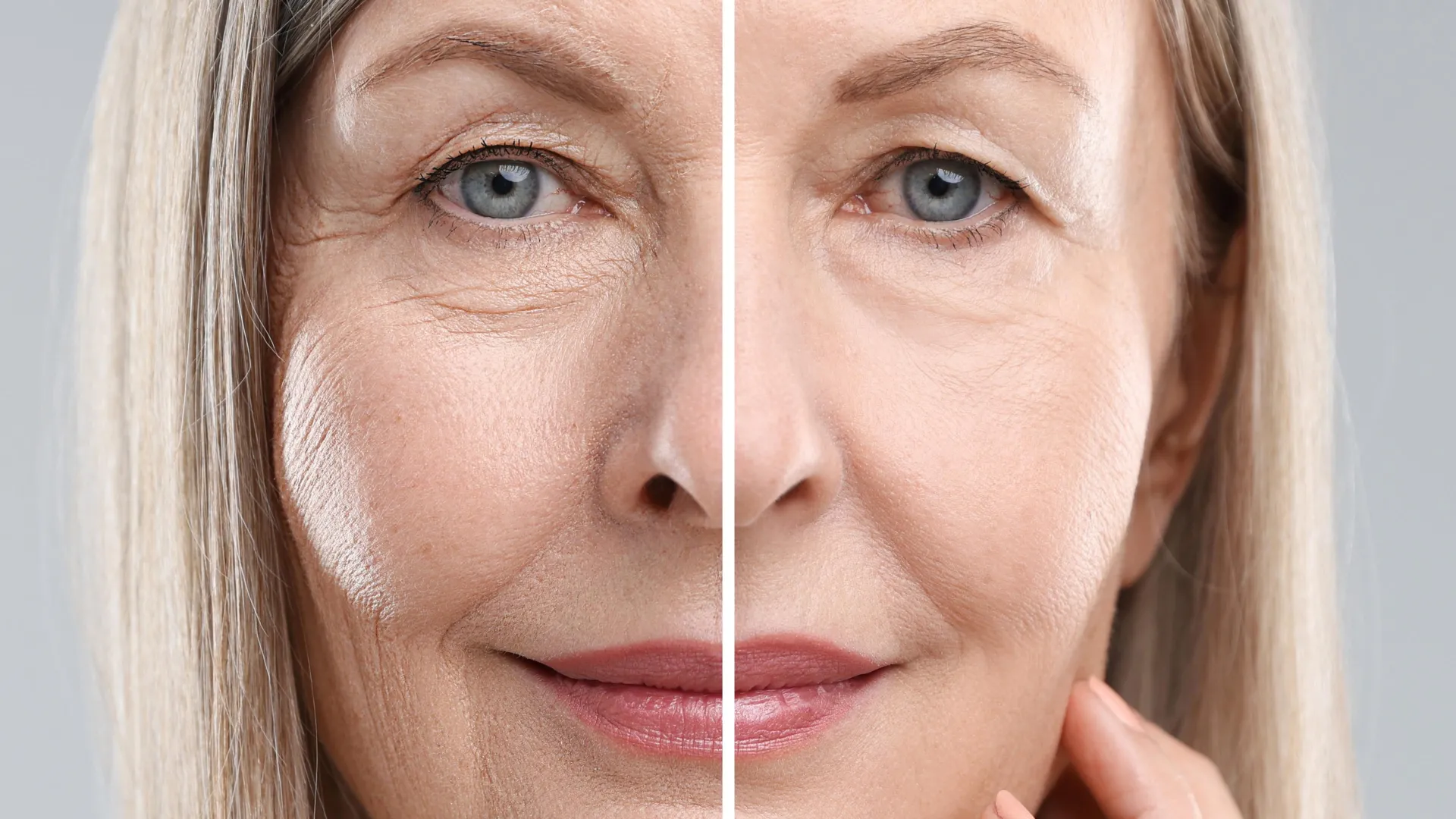
New research from the NYU School of Global Public Health indicates a tangible link between anxieties surrounding aging and accelerated cellular aging in women. This groundbreaking study suggests that the psychological burden of worrying about declining health, appearance, and independence as one grows older may manifest as a quantifiable biological impact, potentially leading to real-world health consequences. The findings, published in the esteemed journal Psychoneuroendocrinology, challenge the traditional separation of mental and physical health, highlighting how subjective fears can actively influence objective biological processes.
The Psychological Toll of Aging: More Than Just a State of Mind
The apprehension surrounding the aging process is a near-universal experience, often tinged with fears of illness, diminished physical capabilities, and the loss of autonomy. While previous research has established a connection between chronic psychological distress and accelerated biological aging through epigenetic modifications – changes in gene expression without altering the underlying DNA sequence – this latest study specifically zeroes in on the anxieties directly related to aging itself.
"Our research suggests that subjective experiences may be driving objective measures of aging," stated Mariana Rodrigues, a PhD student at NYU School of Global Public Health and the study’s lead author. "Aging-related anxiety is not merely a psychological concern, but may leave a mark on the body with real health consequences." Rodrigues emphasized that this is the first time researchers have focused on whether the worry about aging correlates with the process of aging.
Why Women May Bear the Brunt of Aging Anxiety
The study’s focus on women is deliberate, acknowledging a potentially heightened vulnerability to aging anxiety within this demographic. Societal pressures that often equate youth with attractiveness and desirability can create significant stress for women as they age. Furthermore, concerns about fertility and the biological changes associated with menopause can amplify these anxieties during midlife.
Rodrigues elaborated on these factors: "Women in midlife may also be multiple in roles, including caring for their aging parents. As they see older family members grow older and become sick, they may worry about whether the same thing will happen to them." This dual burden of personal aging fears and the witnessed decline of loved ones can create a potent cocktail of psychological distress. The Midlife in the United States (MIDUS) study, from which the data was drawn, has consistently explored the multifaceted experiences of middle-aged Americans, providing a rich dataset for understanding these complex psychosocial dynamics.
Unpacking the Science: Epigenetic Clocks and Cellular Clocks
To quantify the impact of aging anxiety on biological aging, the research team meticulously analyzed data from 726 women participating in the MIDUS study. These participants were asked to report their levels of worry concerning various aspects of aging, including the fear of becoming less attractive, developing health problems, or being too old to have children.
The critical component of the study involved the analysis of blood samples using two sophisticated epigenetic clocks: DunedinPACE and GrimAge2. These "clocks" are biological markers that can estimate a person’s biological age, independent of their chronological age.
- DunedinPACE (Phenotypic Age Acceleration): This clock measures the speed at which an individual is aging. A higher DunedinPACE score indicates faster biological aging.
- GrimAge2: This clock estimates the accumulated biological damage over time, offering a snapshot of the wear and tear on the body.
The results were striking. Women who reported higher levels of anxiety about growing older demonstrated statistically significant signs of faster epigenetic aging according to the DunedinPACE clock. This accelerated aging at the cellular level has been previously linked to an increased risk of chronic diseases, functional decline, and a shorter lifespan.
Interestingly, not all forms of aging anxiety exerted the same influence. The study found that worries specifically about declining health were the most potent predictor of faster biological aging. In contrast, concerns primarily focused on appearance and fertility did not show a significant association with epigenetic aging. The researchers hypothesize that health worries might be more persistent and pervasive, continually impacting the individual, while concerns about beauty and reproductive potential may naturally diminish or be reframed as one progresses through different life stages.
The Intertwined Nature of Mental and Physical Well-being
The implications of these findings are profound, underscoring the intricate and inseparable connection between mental and physical health throughout the lifespan. Often, these two domains are treated in isolation within healthcare systems and public discourse, yet this research suggests that psychological states can have a direct and measurable impact on biological processes.
"Our research identifies aging anxiety as a measurable and modifiable psychological determinant that seems to be shaping aging biology," commented Adolfo Cuevas, associate professor of social and behavioral sciences at NYU School of Global Public Health and the study’s senior author. He further emphasized that this study provides concrete evidence for the tangible effects of our psychological experiences on our physical selves.
Caveats and Future Directions: Understanding Causality and Nuance
While the study presents compelling evidence, the researchers are careful to acknowledge its limitations. The data was collected at a single point in time, which means it cannot definitively establish a cause-and-effect relationship between aging anxiety and accelerated biological aging. It is possible that other underlying factors could be influencing both the anxiety and the biological markers.
A key consideration raised by the researchers is the role of coping behaviors. Anxiety is often associated with unhealthy coping mechanisms such as smoking, excessive alcohol consumption, or poor dietary habits, all of which can independently contribute to accelerated aging. When the research team adjusted their analysis to account for these health behaviors, the statistically significant association between aging anxiety and epigenetic aging weakened considerably, becoming non-significant. This suggests that while aging anxiety itself may play a role, its impact might be mediated or exacerbated by these lifestyle choices.
"This finding highlights the complexity of the relationship and the need for further investigation into the specific pathways through which anxiety might influence biological aging," Cuevas stated. Future longitudinal studies, which track individuals over extended periods, are crucial for unraveling the precise causal mechanisms and understanding how anxiety about aging impacts long-term health trajectories.
Societal Impact and the Need for a New Discourse on Aging
The NYU study arrives at a time when global populations are aging at an unprecedented rate. Understanding and addressing the psychological burdens associated with this demographic shift is becoming increasingly critical. The researchers advocate for a societal shift in how aging is perceived and discussed.
"Aging is a universal experience," Rodrigues concluded. "We need to start a discourse about how we as a society — through our norms, structural factors, and interpersonal relationships — address the challenges of aging." This includes fostering environments that promote positive aging, reducing ageist stereotypes, and providing accessible mental health support for individuals experiencing age-related anxieties.
The implications extend beyond individual well-being. As populations age, the burden of age-related diseases places significant strain on healthcare systems and economies. By mitigating psychological factors that may accelerate aging, societies could potentially improve public health outcomes and reduce healthcare costs in the long run.
The research was supported by grants from the National Institute of Diabetes and Digestive and Kidney Diseases (R01DK137246, R01DK137805). Jemar R. Bather of NYU School of Global Public Health also contributed as a coauthor to the study, adding further expertise to this significant investigation into the mind-body connection in aging. The ongoing dialogue around aging must now incorporate the scientific understanding that our fears about growing older are not just ephemeral thoughts but can have profound and lasting impacts on our biological selves.

0 Comments