
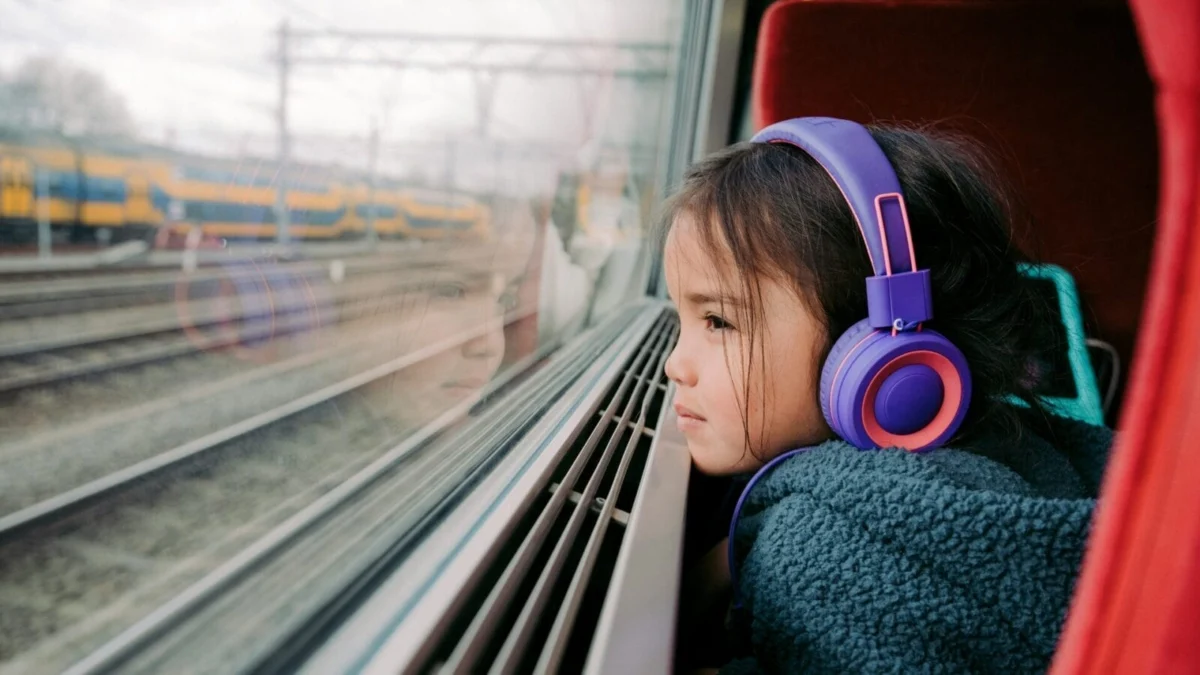
What if getting to your vacation was also a legitimately fun part of the trip? This question is at the heart of a burgeoning trend in U.S. domestic tourism: families are increasingly turning to Amtrak for their travels, seeking an experience that transcends mere transportation. This isn’t a marketing gimmick but a genuine phenomenon driven by a collective weariness of modern air travel complexities and a yearning for journeys that feel more like an adventure and less like a logistical gauntlet. From sleeper cars where children drift off to the rhythmic clickety-clack of the rails, waking up in a new state, to dining cars offering proper meals as panoramic landscapes unfold outside, and observation cars captivating teenagers with real-world scenery superior to any screen, Amtrak is witnessing a quiet renaissance as a family travel option. This movement mirrors the cherished European train vacation model, yet it’s unfolding right here on American soil, proving more accessible and appealing than many might initially perceive.
The Resurgence of Rail: A Shift in Travel Philosophy
The current "quiet moment" for Amtrak is not an accident but a confluence of factors reshaping family travel preferences. In the post-pandemic era, a discernible shift has occurred, with many families prioritizing experiential travel over sheer speed. Air travel, once the undisputed champion of long-distance trips, has faced mounting criticism due to persistent delays, cancellations, stringent security procedures, cramped seating, and the overall stress of navigating crowded airports. According to recent Department of Transportation data, flight delays and cancellations remain a significant concern, leading to considerable passenger frustration. This environment has cultivated a fertile ground for alternatives, and passenger rail, with its promise of a more relaxed pace and unique onboard amenities, has stepped into the spotlight.
Industry observers note a growing sentiment among parents to reclaim the journey itself as part of the vacation. This aligns with the broader "slow travel" movement, which advocates for deeper engagement with destinations and the travel process. Amtrak’s Superliner trains, particularly their sleeper car accommodations, offer a compelling proposition: a private, mobile hotel room where families can eat, sleep, and play while traversing diverse American landscapes. This eliminates the need for a separate hotel night and significantly reduces the friction associated with airport logistics, rental cars, and the often-arduous task of transporting children and their paraphernalia.
Amtrak’s Enduring Role in U.S. Passenger Transportation: A Brief Overview
Amtrak, officially the National Railroad Passenger Corporation, was established in 1971 by the U.S. government to take over the responsibility of intercity passenger rail service from private railroads. Its mission was to preserve a vital transportation mode that was struggling financially. For decades, Amtrak has served as the backbone of intercity passenger rail in the United States, connecting over 500 destinations across 46 states and three Canadian provinces. While its Northeast Corridor routes are renowned for speed and frequency, its long-distance routes, such as the Coast Starlight and California Zephyr, represent a unique segment of American travel, traversing vast and often scenic portions of the country.
Historically, train travel held a romantic allure, particularly during the golden age of rail in the early to mid-20th century. Families embarking on cross-country journeys by rail was a common and cherished experience. While air travel largely supplanted this tradition for several decades, the current trend suggests a nostalgic return, enhanced by modern amenities and a renewed appreciation for the journey itself. Amtrak’s consistent operation of these long-distance routes, despite varying levels of ridership, has positioned it perfectly to capitalize on this contemporary shift in family travel priorities.
Key Data and Trends Supporting the Shift
The appeal of train travel for families is underscored by several quantifiable benefits and emerging trends:
- Air Travel Dissatisfaction: Recent surveys consistently show high levels of consumer frustration with airline service. For instance, the U.S. Department of Transportation’s Air Travel Consumer Report frequently highlights thousands of passenger complaints related to flight problems, baggage, and customer service. These frustrations are amplified for families traveling with young children, where delays and discomfort can quickly escalate into significant stress.
- Ridership Trends: While overall Amtrak ridership fluctuates with economic and public health conditions, specific long-distance routes have seen consistent interest, particularly for premium accommodations like sleeper cars. Anecdotal evidence from Amtrak staff and booking patterns indicates a steady increase in family bedroom reservations, often booked months in advance, signaling strong demand from the family demographic.
- Economic Value Proposition: While sleeper car fares might appear substantial at first glance, a detailed cost analysis often reveals competitive value. A sleeper car fare covers transportation for all occupants of the room, private accommodation, and all meals in the dining car. When compared to the cumulative costs of flights (which often include baggage fees, seat selection fees, and in-flight purchases), a rental car at the destination, and multiple nights in hotels, an Amtrak sleeper trip can offer a comparable or even more economical option for families, especially those traveling longer distances. Moreover, the inherent entertainment value of the journey reduces the need for constant external amusements.
- Environmental Considerations: With growing awareness of climate change, many families are seeking more sustainable travel options. Rail travel is generally recognized as a more environmentally friendly mode of transportation compared to air travel, producing significantly lower carbon emissions per passenger mile. This aligns with the values of environmentally conscious families looking to reduce their carbon footprint while still enjoying enriching travel experiences.
Spotlight on Family-Friendly Routes: Crafting the Journey
Amtrak offers a diverse portfolio of routes, each presenting a unique opportunity for family adventure. Here are eight standout options that exemplify the versatility and appeal of rail travel for parents and children alike:
-
Coast Starlight: Los Angeles to Seattle (or reverse)
- Quick Facts: ~35 hours, 1 night onboard, 1,377 miles, daily service. Sleeper cars (roomettes, bedrooms, family bedrooms) include meals. Kids aged 2-12 ride at half fare.
- Experience: Widely considered Amtrak’s flagship route, the Coast Starlight offers an unparalleled journey along the entire West Coast. It showcases a stunning panorama of the Pacific Ocean, the Cascade Range, California’s vineyards, and dramatic coastline. The single overnight duration is ideal for families, providing enough time for a memorable adventure without overextending younger travelers. The bi-level Superliner observation car, with its floor-to-ceiling windows and swivel seats, serves as a natural magnet for children, offering continuous entertainment through the ever-changing scenery. Booking northbound (LA to Seattle) is often recommended to experience the scenic California coast in daylight, particularly the stretch between Santa Barbara and San Luis Obispo.
-
California Zephyr: Chicago to the San Francisco Bay Area (or reverse)
- Quick Facts: ~51 hours, 2 nights onboard, 2,438 miles, daily service. Sleeper cars include meals. Kids aged 2-12 ride at half fare.
- Experience: The California Zephyr is legendary among train enthusiasts for its breathtaking traversal of the American West. Spanning two nights and three days, it offers an immersion into some of the most spectacular landscapes on the Amtrak system. Highlights include the majestic Rocky Mountains departing Denver, a picturesque five-hour passage along the Colorado River through sculpted canyons, the historic Sierra Nevada crossing at Donner Pass, and the eventual descent into the vibrant San Francisco Bay Area. This longer journey is best suited for children aged 5-12 who possess a balance of self-entertaining capabilities and an enduring fascination with the novelty of sleeping on a train. Westbound travel (Chicago to Bay Area) is strategically timed for optimal daylight viewing of the Rockies.
-
Empire Builder: Chicago to Seattle/Portland (splits at Spokane)
- Quick Facts: ~46 hours, 2 nights onboard, 2,206 miles (to Seattle), daily service. Sleeper cars include meals. Kids aged 2-12 ride at half fare.
- Experience: For families craving expansive American vistas, the Empire Builder delivers. While it traverses the vast Great Plains, the journey truly transforms as the train enters the southern fringes of Glacier National Park. The mountain views through this section are among the most dramatic offered by any Amtrak route. The train’s unique split at Spokane, allowing passengers to continue to either Seattle or Portland, provides itinerary flexibility. Similar in duration to the Zephyr, the Empire Builder offers a distinct scenic profile, characterized by big skies, rolling prairies, and the unforgettable majesty of Glacier National Park, particularly vivid on the morning of day two for westbound travelers.
-
Southwest Chief: Chicago to Los Angeles
- Quick Facts: ~40 hours, 2 nights onboard, 2,256 miles, daily service. Sleeper cars include meals. Kids aged 2-12 ride at half fare.
- Experience: The Southwest Chief is the quintessential "red-rock route," guiding travelers from the heartland through the dramatic landscapes of the American Southwest. The transition from the Kansas prairies at sunset to the rugged beauty of Raton Pass in New Mexico, past ancient mesas and buttes, and through northern Arizona, is a visual narrative that captivates passengers of all ages. For families envisioning a multi-stop adventure, the Southwest Chief offers convenient access to iconic destinations like Santa Fe (via Lamy station) and the Grand Canyon (via Flagstaff, with connections to the Grand Canyon Railway). This modularity is a key advantage of rail travel, allowing for personalized itineraries.
-
Auto Train: Lorton, VA to Sanford, FL
- Quick Facts: ~17 hours, overnight, 855 miles, daily service. Sleeper cars (and coach) include dinner and breakfast. Kids aged 2-12 ride at half fare. Unique feature: transport of personal vehicle.
- Experience: The Auto Train offers a highly practical solution for families traveling between the Mid-Atlantic/Northeast and Florida. It ingeniously bypasses the typical stressors of long-distance family travel—eliminating flights, rental cars, and the arduous 14-hour drive down I-95. Passengers drive their vehicle onto the train in Lorton, Virginia (near D.C.), enjoy an included dinner, sleep comfortably onboard, and wake up in Sanford, Florida (near Orlando), ready to drive off in their own car, complete with car seats, strollers, and beach gear. While not scenic in the traditional sense due to its overnight schedule, its unparalleled convenience makes it an invaluable option for families heading to Florida’s theme parks or beaches.
-
Northeast Regional: Boston to Washington, D.C.
- Quick Facts: Varies by segment (e.g., NYC-D.C. ~3.5 hours, Boston-D.C. ~7.5 hours). Coach and business class only (no sleepers). Café car available. Kids aged 2-12 ride at half fare. Multiple departures daily.
- Experience: For families new to train travel or seeking a straightforward urban connection, the Northeast Regional is the ideal entry point. It requires no complex sleeper car logistics or multi-day commitments. This route connects major East Coast cities like Boston, New York, Philadelphia, Baltimore, and Washington, D.C., offering a stress-free alternative to flying or driving. Children can freely move about the train, visit the café car for snacks, and enjoy the passing views of the Connecticut coastline or Chesapeake Bay marshes. The frequent daily departures provide flexibility, making it a low-barrier way to experience the inherent ease and comfort of rail travel.
-
Adirondack: New York City to Montréal
- Quick Facts: ~10-11 hours, 381 miles, daily service. Coach and business class only (no sleepers). Café car available. Kids aged 2-12 ride at half fare. Passport required for Canada.
- Experience: The Adirondack route is renowned as one of Amtrak’s most picturesque day trains, culminating in an international destination. Departing from New York Penn Station, it traces the stunning Hudson River Valley, offering some of the East Coast’s most beautiful riverine scenery. The journey continues through the majestic Adirondack Mountains before crossing into Québec and arriving in Montréal. This 10-hour trip, without the need for an overnight sleeper, imbues children with a sense of international adventure. Montréal itself is highly family-friendly, boasting attractions like the Old Port, Biodome, botanical gardens, and Jean-Talon Market, offering a taste of European culture within a manageable distance for a long weekend getaway.
-
Texas Eagle: Chicago to San Antonio
- Quick Facts: ~32 hours, 1-2 nights onboard, 1,306 miles, daily service. Sleeper cars include meals. Kids aged 2-12 ride at half fare.
- Experience: Often overlooked, the Texas Eagle is a versatile route connecting Chicago through the Ozarks and across East Texas to some of the most vibrant, family-friendly cities in the South: St. Louis (home to the Gateway Arch and City Museum), Dallas, Austin, and San Antonio (famous for its River Walk and the Alamo). While its scenery might be less dramatic than Western routes, its strength lies in the rich array of destinations it connects. For families interested in a multi-stop vacation, the Texas Eagle is ideal. Segments can be booked independently, allowing for stops in cities like St. Louis or Austin before continuing to the main destination. It also serves as a crucial connector, linking with the Southwest Chief in Chicago and the Sunset Limited in San Antonio, enabling ambitious, longer rail journeys.
Navigating the Rails: Practical Considerations for Family Travel
Embarking on an Amtrak family vacation requires thoughtful planning, but the rewards often outweigh the effort. Understanding the nuances of train travel is key to a smooth and enjoyable experience.
Booking and Accommodation: Prioritizing the Family Bedroom
For overnight journeys, the family bedroom on Amtrak’s Superliner trains is the gold standard for families. Designed to comfortably accommodate two adults and two children, it features four berths (two adult-sized, two kid-sized) that convert into a seating area during the day. Crucially, there is only one family bedroom per sleeper car, making early booking—often 6-12 months in advance for peak travel periods—essential. For larger families or those desiring more space, booking two adjacent roomettes or a bedroom-plus-roomette combination are viable alternatives. A significant advantage of sleeper car fares is the inclusion of all meals (breakfast, lunch, and dinner) served in the dining car, adding both convenience and value.
Understanding Sleeper Fares: A Value Proposition
Sleeper fares are indeed an investment. For a family bedroom on a popular route during high season, costs can range from $800 to $2,000+ depending on route length and booking lead time. However, this cost encompasses not only the rail fare for every occupant but also the private room, all meals, and often negates the need for a separate hotel night. When these elements are factored in, along with the savings on airport parking, baggage fees, and potentially a rental car, the perceived steepness of the fare diminishes, revealing a competitive and often superior value proposition for a comprehensive travel experience.
Packing for the Journey: Road Trip Mentality
One of Amtrak’s greatest liberties is its generous baggage policy: no liquid restrictions, two checked bags per person free, and no gate-checking of car seats or strollers. This freedom encourages a "road trip" packing philosophy. Families can bring coolers with favorite snacks and drinks, a dedicated bag of activities, multiple chargers, comfortable blankets, and personal pillows (Amtrak’s are functional but not luxurious). While rooms are compact, they typically include outlets and a small closet. It’s also prudent to pack motion sickness medication like Dramamine, just in case, though the gentle rocking motion of the train often lulls passengers to sleep.
Managing Expectations: Embracing the Unplugged Experience
It’s vital for families to approach train travel with realistic expectations. This is not typically luxury travel in the conventional sense. Sleeper rooms are small, showers are compact, and Wi-Fi connectivity on long-distance routes can be unreliable. Delays, sometimes significant, are also an inherent part of the rail travel experience. However, these factors are rarely deal-breakers; rather, they are part of the authentic charm. The true beauty of train travel lies in its unhurried pace, the ever-changing scenery, and the enforced opportunity for unplugged family time. It’s about shared moments, conversations, and observations, rather than thread counts or lightning-fast internet.
Onboard Entertainment: The Train as the Primary Attraction
While it’s wise to pack a selection of books, card games, coloring supplies, and a few downloaded movies for evenings, the train itself often serves as the primary source of entertainment. The observation car, with its expansive views, becomes a natural hub. The dining car offers a unique social experience, and simply gazing out the window at a world passing by at a digestible speed provides endless fascination for children. Kids thrive on the ability to walk around, explore different cars, and interact with other passengers—experiences largely absent in air travel. The goal isn’t to overschedule onboard time but to allow for spontaneous discovery and shared observation.
Understanding Station Stops and Modular Travel
A common question for families is about getting off the train at intermediate stops. Amtrak’s system is inherently modular. When booking, passengers select their specific boarding and destination stations; one is not obligated to ride the full route. This flexibility allows families to construct multi-stop vacations: for example, booking a segment from Chicago to Flagstaff, spending several days exploring the Grand Canyon, and then booking a separate ticket on a later train from Flagstaff to Los Angeles. With most long-distance routes operating daily, continuing a journey is straightforward.
During shorter "fresh air" stops (typically 5-15 minutes for passenger exchange), passengers can briefly step onto the platform to stretch their legs. However, these stops are brief, and the train will not wait. Conductors typically announce the duration of these stops, and it is imperative for families, especially those with young children, to remain within sight of the train and reboard well before departure time to avoid being left behind with their luggage and accommodations continuing without them. Longer stops, such as in Albuquerque on the Southwest Chief, may offer a bit more time to visit the station, but wandering far is never advised.
Starting Small: A Gentle Introduction to Rail Travel
For families hesitant about committing to a multi-night sleeper car journey, starting with a shorter, non-overnight route like the Northeast Regional or the Adirondack is an excellent strategy. These day trips provide a taste of the relaxed pace and unique perspective of train travel without the complexities of sleeper accommodations. If the family enjoys the experience—and most do—it builds confidence for future, more ambitious rail adventures.
The Broader Implications: A Future for U.S. Passenger Rail?
The quiet resurgence of Amtrak as a favored family travel option has broader implications for the future of U.S. passenger rail. This renewed interest could serve as a catalyst for increased investment in rail infrastructure, modernization of trains, and expansion of services. As families increasingly seek authentic, sustainable, and less stressful travel experiences, passenger rail is uniquely positioned to meet these demands. The "slow travel" movement is not just a trend but a reflection of a deeper desire for meaningful connections and a departure from the frenetic pace of modern life. Amtrak, by offering a journey that is an experience in itself, aligns perfectly with this evolving philosophy.
Moreover, the increased patronage of long-distance routes can stimulate regional tourism, connecting major urban centers with national parks, historic towns, and other destinations that benefit from convenient, scenic access. The economic impact extends beyond ticket sales, influencing local economies along the rail corridors.
In conclusion, the American family is rediscovering something fundamental: that travel can be an enriching part of the vacation, not just a means to an end. Amtrak, with its sleeper cars, dining experiences, and panoramic observation decks, transforms mundane transit into memorable adventures. Children fall asleep in one state and wake up in another, dine on pancakes while mountains glide past, and forge friendships over games of Uno in the observation car. This is the essence of travel that builds lasting memories—the kind where, years later, a teenager genuinely recalls, "Remember that time we took the train?" This growing sentiment solidifies Amtrak’s position as a distinctive and increasingly vital component of the modern American travel landscape.

0 Comments