
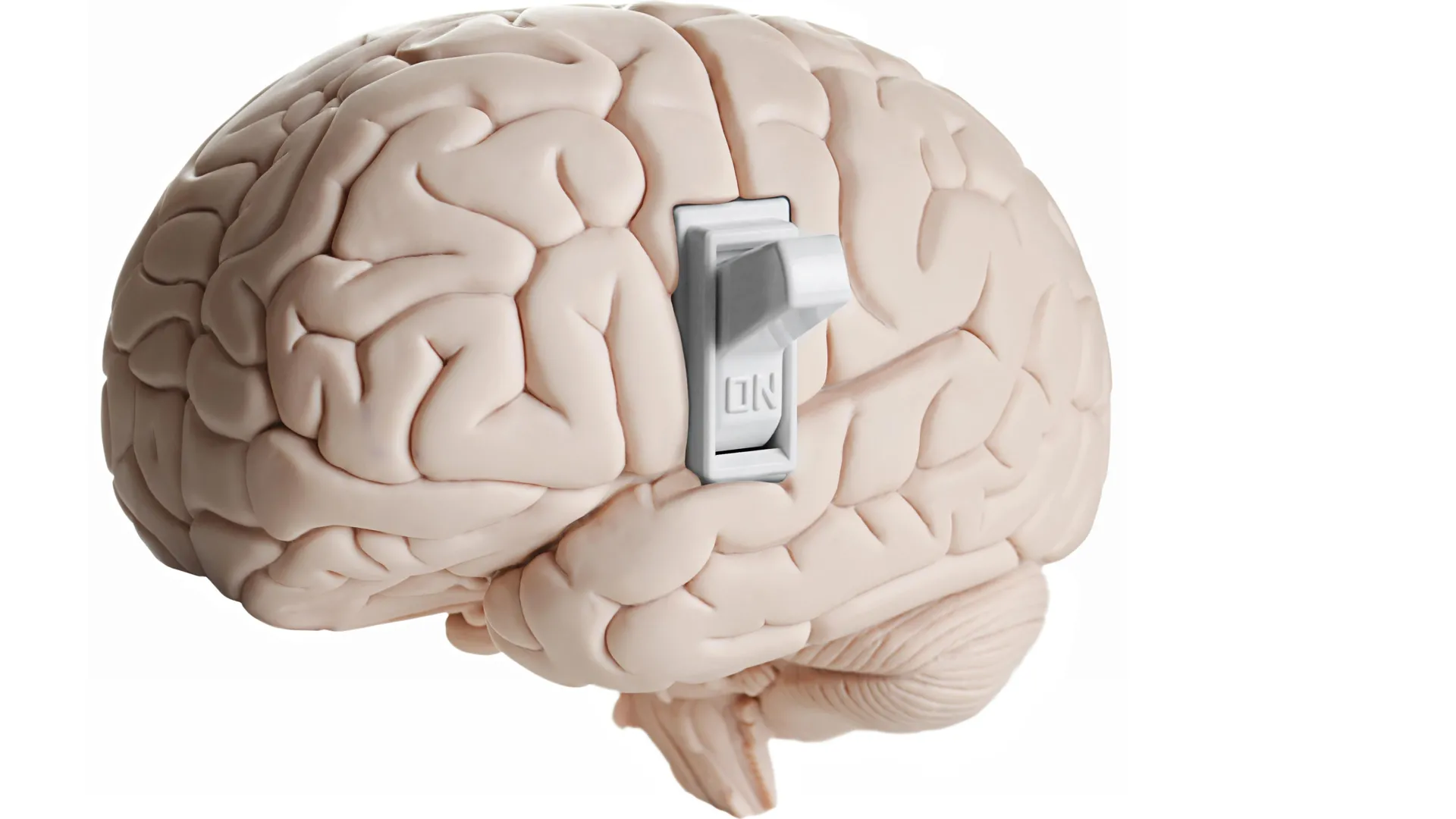
A groundbreaking study published in the esteemed Proceedings of the National Academy of Sciences on April 6, 2026, has fundamentally reshaped our understanding of appetite regulation, challenging decades of neuroscientific dogma. For years, the intricate mechanisms governing hunger and satiety were believed to be primarily orchestrated by neurons, the brain’s principal communication cells. However, this comprehensive research, a decade-long collaboration between scientists at the University of Concepción in Chile and the University of Maryland, reveals a far more complex and nuanced system. It highlights the pivotal, previously underestimated role of astrocytes, once relegated to the status of mere "support cells," in actively regulating our body’s intricate dance of eating and fullness.
The Shifting Paradigm: Beyond Neuronal Dominance
The prevailing scientific consensus for much of the 20th and early 21st centuries posited neurons as the undisputed architects of brain function. Their ability to generate and transmit electrical and chemical signals formed the bedrock of how we perceive, process, and react to the world. In the context of appetite, this perspective focused on the direct communication between neurons in key brain regions like the hypothalamus, which is widely recognized as the central control hub for energy homeostasis. Researchers meticulously mapped neuronal circuits involved in detecting nutrient availability and signaling hunger or satiety. However, the persistent complexity and recalcitrance of conditions like obesity and eating disorders suggested that this purely neuronal model might be incomplete.
This new research, spearheaded by Professor Ricardo Araneda of the University of Maryland’s Department of Biology and María de los Ángeles García-Robles, principal investigator at the University of Concepción, introduces a paradigm shift. Their findings illuminate a sophisticated intercellular communication network where astrocytes, the most abundant glial cells in the brain, are not passive bystanders but active participants in the appetite control circuitry. This discovery necessitates a re-evaluation of how we conceptualize brain communication pathways, extending beyond the traditional neuron-centric view.
Unraveling the Glucose-Sensing Pathway: A Novel Intercellular Cascade
The study meticulously details a previously unrecognized signaling pathway originating in specialized cells called tanycytes, located deep within the brain’s hypothalamus. These ependymal cells, which line a fluid-filled cavity, are uniquely positioned to act as sentinels for the body’s metabolic state. Their primary function in this context is to monitor the levels of glucose, the body’s primary fuel source, circulating within the cerebrospinal fluid.
The chronological sequence of events, as elucidated by the research, begins after a meal. As glucose levels rise in the bloodstream and subsequently in the cerebrospinal fluid, tanycytes detect this increase. Their response is not merely passive observation; they actively metabolize the glucose. A critical outcome of this metabolic process is the release of lactate, a byproduct of anaerobic respiration, into the surrounding brain tissue.
This released lactate then acts as a crucial signaling molecule, interacting with neighboring astrocytes. This interaction triggers the activation of astrocytes, initiating the next crucial phase of intercellular communication. Prior to this study, the prevailing hypothesis was that lactate produced by tanycytes directly signaled to the appetite-controlling neurons. However, the University of Concepción and University of Maryland team has uncovered an "unexpected middleman" in this vital conversation: the astrocyte.
Astrocytes as Key Regulators: The HCAR1 Receptor’s Crucial Role
Astrocytes, once characterized as mere structural and metabolic support for neurons, are now revealed to possess a sophisticated signaling capability. The research identified that astrocytes express a specific receptor, known as HCAR1 (Hydroxycarboxylic Acid Receptor 1). This receptor is highly sensitive to lactate. When lactate molecules bind to HCAR1 on the astrocytic membrane, it initiates a cascade of intracellular events, leading to the activation of the astrocyte.
Upon activation, these astrocytes release glutamate, a major excitatory neurotransmitter in the central nervous system. This glutamate signal is then directed towards specific populations of neurons within the hypothalamus that are responsible for suppressing appetite. The activation of these satiety-promoting neurons leads to the physiological sensation of fullness, effectively signaling the end of a meal.
Professor Araneda articulated the elegance and complexity of this newly discovered mechanism: "What surprised us was the complexity of it. To put it simply, we found that tanycytes ‘talk’ to astrocytes, and then astrocytes ‘talk’ to neurons." This revelation underscores that appetite regulation is not a direct, linear process but rather a multi-step, intercellular dialogue involving different cell types working in concert.
A Chain Reaction of Satiety: Signal Amplification and Dual Action
The study further demonstrated the remarkable ability of these astrocytic signals to propagate through the brain’s intricate neural network. In one compelling experiment, researchers precisely introduced glucose into a single tanycyte and meticulously observed the resultant activity in the surrounding astrocytes. Even this highly localized metabolic change was sufficient to trigger activity in multiple adjacent astrocytes. This observation provides powerful evidence of how metabolic signals can be amplified and spread efficiently through the astrocytic network, influencing a broader region of the hypothalamus.
Adding another layer of sophistication to this discovery, the researchers noted a potential "dual effect" of lactate signaling. The hypothalamus is known to house two opposing neuronal populations: those that promote hunger and those that suppress it. The findings suggest that lactate, by activating astrocytes, might simultaneously influence both circuits. While astrocytes activate the satiety-promoting neurons through glutamate release, the study proposes that lactate could also potentially inhibit the hunger-promoting neurons through a more direct, yet-to-be-fully-elucidated pathway. This simultaneous modulation of opposing neuronal systems would offer a highly efficient and finely tuned mechanism for regulating appetite.
Implications for Metabolic Health: A New Frontier for Therapeutic Intervention
The implications of this research extend far beyond academic curiosity, offering a beacon of hope for millions suffering from obesity and eating disorders. While the experiments were primarily conducted in animal models, the fundamental cellular components—tanycytes and astrocytes—are conserved across all mammalian species, including humans. This strong evolutionary conservation suggests that the identified pathway is likely to be operative in humans as well.
The immediate next step for the research team involves investigating whether modulating the HCAR1 receptor on astrocytes can directly influence eating behavior. This crucial line of inquiry is a prerequisite for translating these preclinical findings into potential therapeutic strategies. Currently, no pharmaceutical interventions directly target this specific astrocytic pathway.
However, Professor Araneda expressed optimism about the therapeutic potential: "We now have a different mechanism where we might be able to target astrocytes or specifically this HCAR1 receptor. It would be a novel target that may complement existing therapies like Ozempic, for example, and improve the lives of many who suffer from obesity and other appetite-related conditions." The prospect of developing novel treatments that harness this newly discovered astrocytic signaling pathway represents a significant advancement in the ongoing battle against the global obesity epidemic and other complex metabolic disorders.
A Decade of Dedication: The Genesis of a Landmark Discovery
This seminal work is the culmination of nearly ten years of dedicated, collaborative research between Professor Araneda’s laboratory at the University of Maryland and the laboratory of Professor García-Robles at the University of Concepción. The study’s lead author, Sergio López, a doctoral student co-mentored by both researchers, played a pivotal role, conducting key experiments during an eight-month research visit to the University of Maryland.
The publication, titled "Tanycyte-derived lactate activates astrocytic HCAR1 to modulate glutamatergic signaling and POMC neuron excitability," represents a significant milestone in neurobiology. This extensive project received vital funding from Chile’s National Fund for Scientific and Technological Development, the Millennium Institute of Neuroscience in Valparaíso, and the U.S. National Institutes of Health (Award No. R01AG088147A). While these organizations provided crucial support, the views expressed in the article are solely those of the researchers and do not necessarily reflect the official positions of the funding bodies. The scientific community eagerly anticipates further developments stemming from this transformative research, which promises to redefine our understanding of brain function and pave the way for innovative treatments for metabolic and eating disorders.

0 Comments