
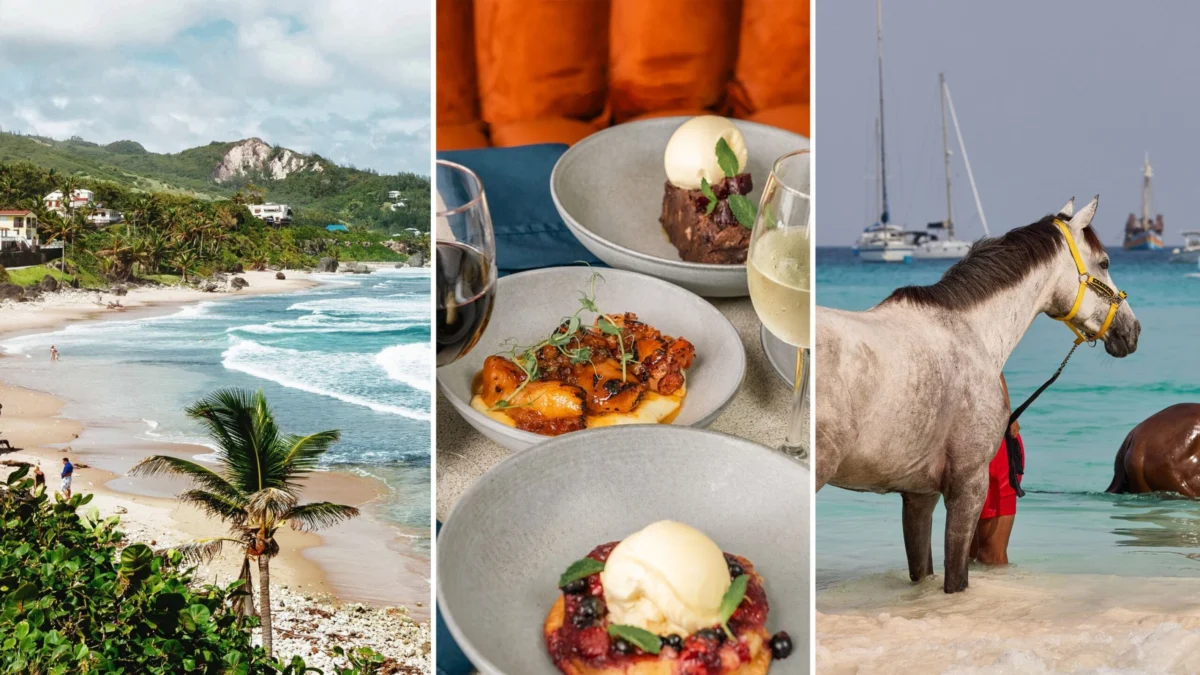
Barbados is currently undergoing a significant cultural and economic transformation as it redefines its position within the global travel market, transitioning from a traditional enclave for the ultra-wealthy into a multifaceted destination that emphasizes authenticity, wellness, and creative heritage. This shift, often described by industry analysts as a "Bajan Renaissance," represents a strategic move to broaden the island’s appeal beyond the "Platinum Coast" stereotypes of yachting and retired decadence. While the island continues to offer top-tier service and luxury, there is a growing institutional and local emphasis on the "wilder" eastern side of the island and the burgeoning "hipster" culture of the south coast. This evolution is rooted in a philosophy known locally as "island time"—an ethos that prioritizes environmental beauty and community connection over the rapid pace of globalized "hustle culture."

Regional Diversification and the Rise of the East Coast
Historically, tourism in Barbados has been heavily concentrated on the west coast, known as the Platinum Coast, where calm Caribbean waters and high-end resorts dominate the landscape. However, the 2025-2026 period marks a pivot toward the raw, elemental geography of the east coast. Frequently referred to by locals as being "behind God’s back," the Atlantic-facing side of the island is gaining international recognition for its rugged terrain and defiant coral reefs.
Industry reports have designated the East Coast as one of the premier global destinations for 2026, driven by a surge in demand for down-to-earth wellness retreats and farm-to-table culinary experiences. Unlike the manicured aesthetics of the west, the east coast offers a "tourism detox," characterized by thick foliage and Atlantic swells. This geographical diversification is not merely a trend but a response to a global shift in traveler preferences toward "elemental" experiences. The rise of establishments such as the EcoLodge in this region exemplifies the integration of sustainable practices with high-quality hospitality, utilizing local produce and breadfruit to ground the visitor experience in Bajan tradition.

Simultaneously, the South Coast has transformed into a vibrant hub for younger travelers. The development of a new boardwalk lined with casual food stops and independent bars has cultivated a "hipster" edge in areas like St. Lawrence Gap and Oistins. This regional development strategy has successfully attracted a demographic of "tattooed creatives" and technology professionals, balancing the island’s traditional reliance on high-net-worth retirees.
Chronology of Hospitality: From Heritage Estates to Boutique Modernism
The history of Barbadian hospitality is a study in the evolution of luxury. The mid-1950s marked the beginning of the island’s modern tourism era, notably with the acquisition of the Coral Reef Club by the O’Hara family in 1956. This property, which remains family-owned and operated, stands as a testament to a bygone era of "homely decor" and personal service, serving as an antidote to the impersonal nature of modern global hotel chains.

By the 1960s and 1970s, Barbados had established itself as a creative sanctuary. Legends such as Eddy Grant, members of The Rolling Stones, and the Monty Python troupe utilized the island as a creative base, embedding a "rock and roll" heritage into the local culture. This legacy is being revived in the 2026 opening of the Blue Monkey Hotel & Beach Club. Built on the site of a long-disused hotel complex at Payne’s Bay, Blue Monkey utilizes retro tan leather, expressionist art, and Smeg appliances to appeal to a modern, design-conscious audience.
The current landscape of 2026 sees a competitive tension between "legacy luxury" and "boutique innovation." While Sandy Lane remains the "top dog" for exclusive clientele, boutique spots like Cobblers Cove are gaining market share. Cobblers Cove, with its signature pink pastel main house and 40 designed suites, has become a focal point for a younger, affluent demographic often described as "Silicon Valley types." This shift indicates that the definition of luxury on the island is moving away from overt displays of wealth toward curated, aesthetic "Insta-Eden" environments.

Economic and Infrastructure Modernization
The modernization of Barbados is supported by significant infrastructure updates designed to improve accessibility and internal mobility. For decades, public transport on the island was dominated by the ZR bus system—government-run minivans that operated on "island time." However, the 2025 launch of Uber on the island marked a pivotal moment in the modernization of local transit, providing a more predictable alternative for international visitors.
Airlines have also expanded their footprint to accommodate the broadening visitor base. American Airlines continues to lead routes from New York, Miami, and Charlotte, while Delta has increased its service from Boston and JFK, particularly during the peak winter months (December to April). Tourism officials note that the "sweet spot" for travel has shifted toward the May-to-June window, where lower prices and reduced crowds provide a more sustainable model for local businesses.

Tourism remains the primary driver of the Barbadian economy, contributing approximately 40% of the national GDP. The government’s focus on the "Blue Economy"—the sustainable use of ocean resources for economic growth—is evident in the promotion of scuba diving and marine conservation. The SS Stavronika wreck and the reefs near Speightstown have become central to the island’s PADI-certified diving industry. Local instructors, such as those at Reefers & Wreckers, emphasize the importance of protecting threatened marine life, including the management of invasive species like the lionfish.
Gastronomy as a Tool for Cultural Preservation
The Barbadian food scene has moved beyond standard resort fare to become a sophisticated landscape of Bajan-fusion and international innovation. The annual Barbados Rum & Food Festival, held each November, serves as a primary showcase for this culinary evolution.

- High-End Innovation: The Cliff remains the island’s gastronomic "grande dame," famous for its raw bar and tableside service. It continues to be a high-profile destination for celebrities, including national hero Rihanna.
- Global Fusion: The arrival of Amara, the island’s first Lebanese restaurant, located within the Blue Monkey complex, signifies a broadening of the Bajan palate and an attempt to cater to a globalized audience.
- Bajan Classics: Establishments like Cocktail Kitchen in St. Lawrence Gap, led by award-winning chefs, are reinventing traditional dishes. Items such as ginger-infused barbecue pig tails and curry goat represent a successful effort to elevate street food to a fine-dining standard.
- Community Traditions: Despite the rise of fine dining, the Oistins Fish Fry every Friday remains the cultural heart of the island. This weekly event, featuring local vendors and family-run stalls, provides an unpretentious environment that tourism analysts cite as essential for maintaining the "authentic" Barbadian brand.
Environmental and Social Implications
The transition toward a more diverse tourism model carries significant implications for the island’s social fabric and environmental health. The Pebbles Beach "Horse Bathing" tradition—where thoroughbreds from the Garrison Savannah stables are washed in the sea—remains a vital link between the island’s colonial horse-racing history and its modern tourist identity. Similarly, Hunte’s Gardens, an eccentric botanical project grown out of a sinkhole by horticulturist Anthony Hunte, showcases the island’s commitment to preserving its unique biodiversity.
However, the "renaissance" also faces challenges. The increasing "hipster" development of the south coast and the "Silicon Valley" influx on the west coast raise questions about gentrification and the accessibility of these spaces for local Bajans. The "Bajan character"—described as a blend of sharp wit, warmth, and a deep connection to community—is the island’s most valuable intangible asset. Tourism experts argue that the success of the 2026 model depends on ensuring that the "real" Barbados is not polished away in favor of a sanitized, globalized version of paradise.
.jpg)
Conclusion and Future Outlook
As Barbados moves through 2026, it stands as a case study for Caribbean nations seeking to balance historic glamour with modern demands. By diversifying its geographical focus to include the wild east and the trendy south, and by embracing both heritage family-owned hotels and rock-and-roll-inspired boutiques, the island is successfully attracting a broader, more resilient demographic. The integration of technology (Uber), sustainable culinary practices (farm-to-table), and environmental stewardship (reef conservation) suggests a forward-thinking approach to the "paradise" economy. Ultimately, the island’s ability to maintain its "island time" philosophy while modernizing its infrastructure will determine its long-term standing in an increasingly competitive global travel market.

0 Comments