
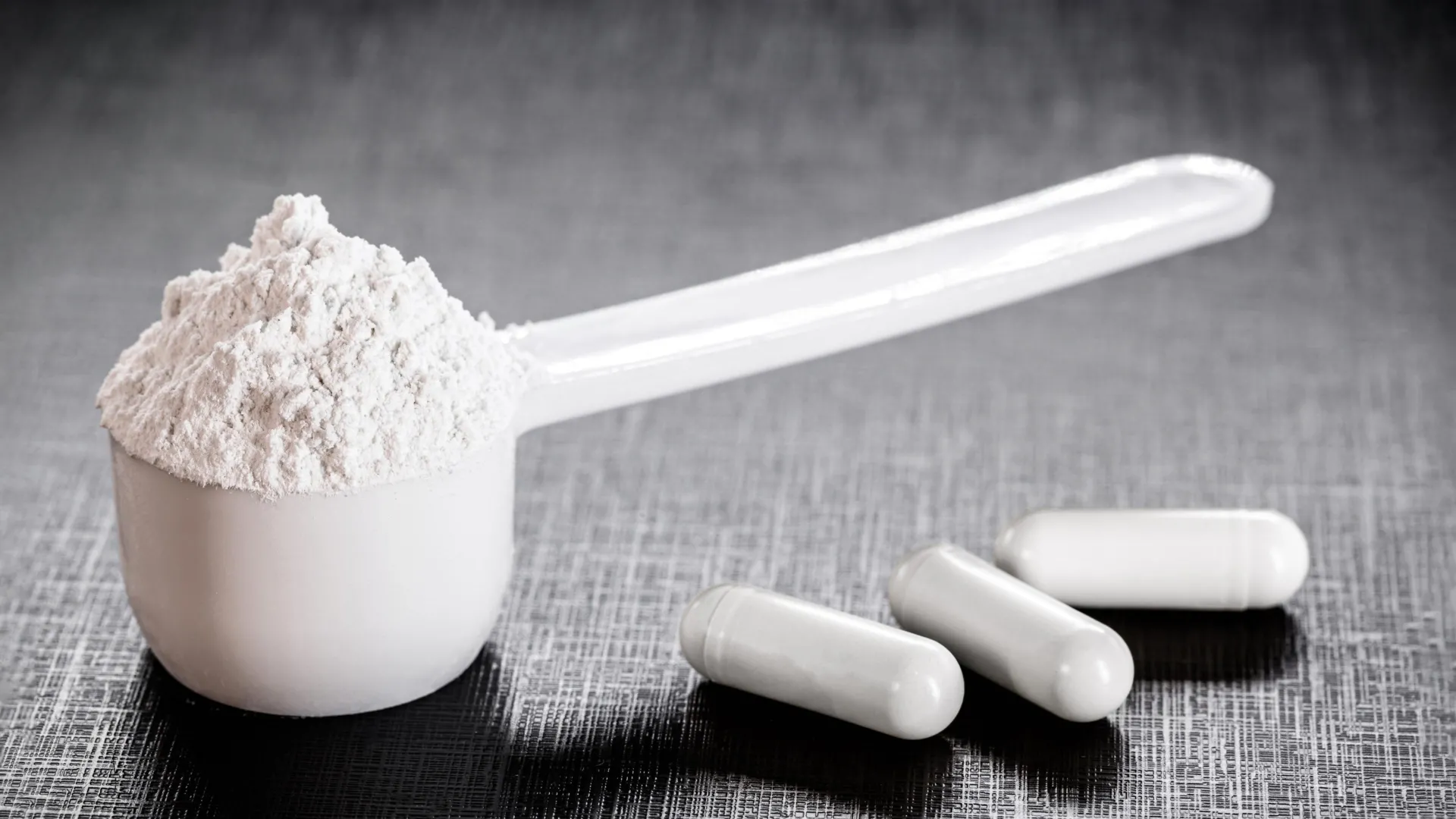
The world of sports supplements is no stranger to creatine. For decades, this naturally occurring compound has been a cornerstone for athletes and fitness enthusiasts, lauded for its ability to enhance strength, power, and muscle performance. Its mechanism of action, primarily revolving around the regeneration of adenosine triphosphate (ATP) – the cellular energy currency – is well-understood within the athletic community. However, a burgeoning area of scientific inquiry is now probing whether creatine’s influence extends far beyond the realm of physical exertion, venturing into the complex landscape of mental health, specifically depression. A recent systematic review published in the esteemed journal Brain Medicine has shed light on this intriguing possibility, examining the potential of creatine to alleviate depressive symptoms by addressing the brain’s significant energy demands.
Cautious Optimism and Lingering Questions
The findings presented in the Brain Medicine review offer a glimmer of cautious optimism, yet they also underscore the substantial knowledge gaps that persist. While a subset of clinical trials has reported statistically significant and clinically meaningful improvements in depression symptoms among participants who received creatine, other studies have yielded no discernible benefit. This dichotomy leaves the scientific community grappling with an enigmatic question rather than a definitive answer, prompting further investigation into the nuanced role creatine might play in mental well-being.
Deconstructing the Clinical Evidence: A Systematic Review
Instead of embarking on new experimental research, the team of scientists, spearheaded by Bassam Jeryous Fares from the University of Ottawa, undertook a comprehensive analysis of existing clinical trials. Their meticulous review of the available literature identified six published reports that encompassed five distinct randomized controlled trials. In these trials, participants were allocated to receive either creatine or a placebo, with neither the participants nor the researchers aware of which treatment was being administered – a crucial element in minimizing bias.
These pivotal studies were conducted across diverse geographical locations, including South Korea, the United States, Brazil, Israel, and India, showcasing a global interest in this research question. Collectively, these trials initiated with 238 participants. Of these, 126 were assigned to receive creatine, while 112 received a placebo. The average age of the participants was approximately 36 years, and a notable characteristic of the study cohorts was the overrepresentation of women. Indeed, two of the five trials specifically enrolled only female participants, a detail that may hold significant implications for interpreting the results.
The primary focus of four of these trials was on individuals diagnosed with Major Depressive Disorder (MDD). The remaining study, however, involved participants with Bipolar Disorder who were experiencing a depressive episode. The heterogeneity in study designs and methodologies across these trials prevented the researchers from pooling the data into a single, overarching statistical analysis. Consequently, the review adopted an individual, case-by-case evaluation of each study’s findings.
A Divided Landscape: Mixed Results Across Depression Studies
The systematic review unearthed a decidedly bifurcated picture regarding creatine’s efficacy in managing depressive symptoms.
Promising Signals in Two Key Trials
Two of the five evaluated trials, both of which focused on women diagnosed with Major Depressive Disorder, presented encouraging results. In one of these studies, participants who received five grams of creatine daily in conjunction with the established antidepressant medication escitalopram demonstrated greater reductions in depressive symptoms after an eight-week period compared to their counterparts who received escitalopram with a placebo. The magnitude of this improvement was substantial by conventional statistical standards, evidenced by a large Cohen’s d effect size of 1.13 on the widely used Hamilton Depression Rating Scale (HDRS). Furthermore, a higher proportion of participants in the creatine group achieved remission from their depressive symptoms.
In another of these positive trials, creatine was administered alongside Cognitive Behavioral Therapy (CBT). The findings indicated that participants who received creatine alongside CBT exhibited a more pronounced decrease in depression symptoms, as measured by a standard assessment tool, than those who underwent CBT with a placebo. These results suggest a potential synergistic effect between creatine and established therapeutic interventions.
The Counterpoint: Three Trials Showing No Significant Benefit
In stark contrast, the remaining three trials failed to demonstrate any meaningful benefit of creatine supplementation for depression. One study reported that neither a daily dose of five grams nor ten grams of creatine improved symptoms in individuals whose depression had proven resistant to conventional antidepressant medication. This finding is particularly significant as it addresses a population often seeking novel treatment avenues.
Another trial involving adolescent girls also found no advantage of creatine over placebo, even when varying doses were administered. This suggests that the potential effects of creatine may not be universal across all age groups or demographic segments. The third study, which specifically investigated participants with Bipolar Disorder experiencing a depressive episode, also concluded that creatine did not lead to any improvement in their symptoms.
An Important Safety Consideration Emerges
Beyond the efficacy debate, the review highlighted an important safety concern. In two participants with Bipolar Disorder who were administered creatine, symptoms of hypomania or mania emerged. This observation is critical, as it suggests that creatine might exert differential effects on individuals depending on their underlying psychiatric condition. This underscores the necessity of careful patient selection and monitoring in future research and potential clinical applications.
Unraveling the Biological Rationale: Creatine’s Potential Neurobiological Pathways
The scientific rationale underpinning the hypothesis that creatine could influence depression is rooted in the brain’s exceptionally high energy requirements. The brain, despite representing only about 2% of an adult’s body weight, consumes approximately 20% of the body’s total energy. This immense energy demand is met through the intricate interplay of metabolic pathways, with the creatine-phosphocreatine system playing a vital role in maintaining cellular energy homeostasis.
While creatine is predominantly recognized for its role in rapidly regenerating adenosine triphosphate (ATP) within muscle cells, enabling short bursts of intense activity, the brain also relies heavily on this energy system. Previous research has identified alterations in brain creatine metabolism among individuals with mood disorders, prompting scientists to explore whether disruptions in cellular energy production could be a contributing factor to the development or persistence of depression.
Furthermore, emerging evidence suggests that creatine may also influence the levels and activity of key neurotransmitters, such as dopamine and serotonin. These monoamines are critically involved in mood regulation and are the primary targets of many widely prescribed antidepressant medications. By potentially modulating these neurotransmitter systems, creatine could exert an indirect impact on mood states.
However, the authors of the review are careful to emphasize that these proposed connections remain largely theoretical at this juncture. The existing studies primarily demonstrate correlations rather than definitive proof that altered creatine metabolism directly causes depression. It is well-established that depression is a complex disorder influenced by a multitude of biological pathways, genetic predispositions, and environmental factors.
"The signal is interesting, but it is not a verdict," stated Bassam Jeryous Fares, the lead author of the review and a student in the Faculty of Medicine at the University of Ottawa. "Two trials pointed one way and three pointed another. That is not the kind of evidence on which you change clinical practice. It is the kind that tells you the question is worth further exploration."
Nicholas Fabiano, the corresponding author and a psychiatry resident at the University of Ottawa, echoed this sentiment, urging for a measured approach. "Creatine appears to be a safe intervention. The adverse events we found were limited to mild gastrointestinal discomfort. We cannot yet reliably say that creatine helps with depressive symptoms or if the findings are generalizable to everyone."
The Imperative for Larger, More Robust Studies
The researchers are unequivocal in their assertion that the current body of evidence is too limited to warrant the routine clinical use of creatine for depression. The existing clinical trials, while valuable, suffered from several limitations. They were relatively small in sample size, included a disproportionately higher number of women compared to men, and exhibited considerable variability in their methodological quality. Two of the studies were assessed as having a low risk of bias, a positive indicator of their reliability. However, the remaining three raised some concerns, primarily pertaining to the methods of participant assignment and the handling of missing data. Consequently, the findings from these studies cannot be broadly extrapolated to the general population.
The systematic review explicitly calls for larger and longer-term clinical trials to definitively ascertain creatine’s role in depression management. Future research should aim to extend beyond the typical eight-week duration of many current studies to capture potential longer-term effects. Researchers also recommend investigating the efficacy of creatine when administered in conjunction with exercise, recognizing the well-established antidepressant benefits of physical activity. Furthermore, studies exploring whether different dosages of creatine yield varying outcomes are crucial, while acknowledging that higher doses do not necessarily equate to greater benefits and may increase the risk of adverse events.
Insights from Animal Models and Future Directions
Intriguingly, insights from animal studies may offer another piece of the puzzle. Experiments conducted on rodents have indicated that creatine can influence depression-like behavior differently in male and female subjects. This finding could potentially help explain why the human studies that yielded the strongest positive results involved predominantly female participants. Such sex-specific responses warrant further investigation in human trials.
For the present moment, creatine remains an intriguing possibility in the therapeutic landscape for depression, rather than a scientifically validated treatment. A supplement long synonymous with building muscle is now capturing the attention of scientists actively seeking novel and effective strategies to combat the pervasive and often debilitating condition of depression.
The peer-reviewed research article, titled "Creatine as a treatment for depression," was published in Brain Medicine and has been made available through Open Access, commencing June 30, 2026, facilitating wider scientific scrutiny and discussion. The scientific community awaits further robust research to determine if this popular sports supplement can indeed offer a new avenue for mental health support.

0 Comments