
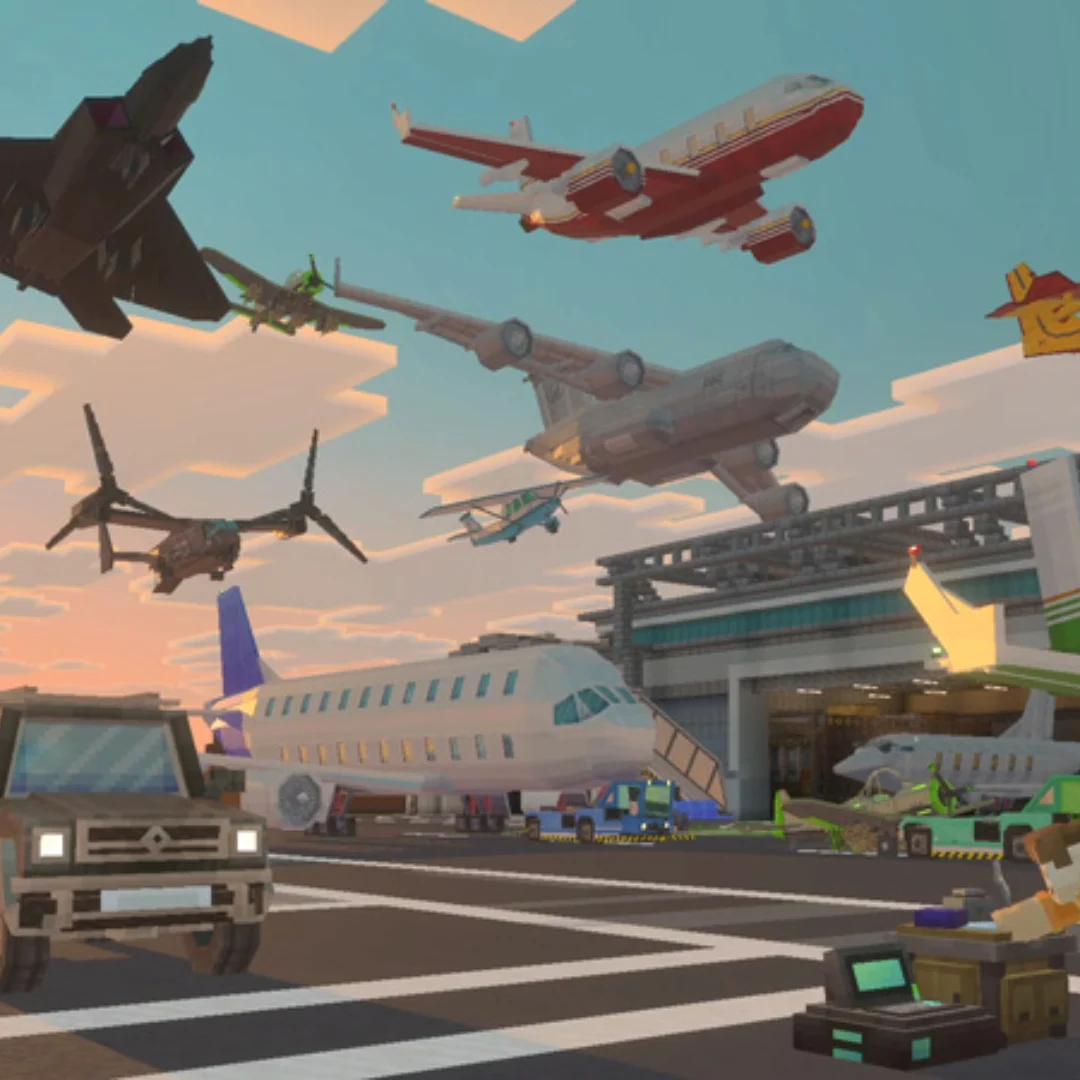
The annual Minecraft Summer Sale has officially commenced, offering players and families a significant opportunity to expand their digital libraries within the world’s best-selling video game. Running through July 28, 2026, at 10 a.m. PT, the event features deep discounts on over 300 items within the Minecraft Marketplace. This seasonal promotion arrives as a strategic move by Mojang Studios and Microsoft to maintain high engagement levels during the final weeks of the summer break, providing a cost-effective way for users to access premium community-created content, including adventure maps, skin packs, mini-games, and the increasingly popular "Add-Ons."

The Evolution of the Minecraft Marketplace and the 2026 Summer Event
The Minecraft Marketplace, since its inception, has transformed the way players interact with the game’s Bedrock Edition. Unlike the early days of Minecraft, where modifications were largely restricted to the Java Edition and required manual installation, the Marketplace provides a centralized, secure, and curated storefront. The 2026 Summer Sale highlights the maturity of this ecosystem, showcasing a diverse array of content that caters to various demographics, from younger children interested in animal-themed content to older "tweens" seeking complex gameplay mechanics and horror-themed adventures.
The current sale is characterized by a 33% reduction in the price of selected high-value items. This discount structure is applied to Minecoins, the proprietary virtual currency used within the game. By offering items for a few hundred Minecoins—often the equivalent of a few dollars—the sale lowers the barrier to entry for high-quality, creator-made experiences. This economic model has proven successful for Mojang, as it compensates independent developers while ensuring a steady stream of fresh content for the player base.

Chronology of Development: From Sandbox to Global Platform
To understand the significance of the 2026 Summer Sale, one must look at the trajectory of Minecraft since its full release in 2011. Originally a niche indie project by Markus "Notch" Persson, the game was acquired by Microsoft in 2014 for $2.5 billion. Under the stewardship of Mojang Studios, the title has moved beyond a simple block-building sandbox to become a multi-faceted platform for education, social interaction, and digital entrepreneurship.
In 2017, the "Discovery Update" introduced the Minecraft Marketplace, a pivotal moment that allowed professional content creators to sell their work directly to players. By 2026, this platform has grown to house thousands of unique experiences. The introduction of "Add-Ons" in recent years represented another technological leap, allowing creators to modify game logic, entity behavior, and user interfaces without requiring the player to understand complex coding. The items featured in this year’s Summer Sale, such as the "Planes Pro 2.0" and "Ultimate Trading" add-ons, represent the pinnacle of this technical evolution.

Strategic Analysis of the 2026 Discount Inventory
The selection of items in the 2026 Summer Sale reflects current trends within the gaming community. Analysts note that the inclusion of specific "Add-Ons" suggests a shift in player preference toward more functional, game-changing content rather than purely aesthetic skins.
Enhancing Gameplay Mechanics Through Premium Add-Ons
One of the standout features of the current sale is the emphasis on utility-based content. The "Backpack Add-On" by Red Eagle Studios, for instance, addresses a long-standing player request for increased inventory management. In a game where resource gathering is a core mechanic, the ability to carry wearable storage is a significant quality-of-life improvement. Similarly, the "Ultimate Trading Add-On" by Wildphire deepens the game’s economic layer, allowing for a more strategic approach to villager interactions and resource exchange.

For players interested in mobility and exploration, the "Planes Pro 2.0 Add-On" by AriaCreations offers a sophisticated take on aerial travel. This content does not merely add a visual model of a plane; it introduces flight physics and new navigation systems, essentially functioning as a "game within a game." These types of additions extend the longevity of the base game, providing "end-game" content for veteran players who have already explored the standard dimensions of the Overworld, the Nether, and the End.
Animal and Educational Content
Minecraft has long been lauded for its educational potential, particularly in teaching spatial reasoning and basic logic. The Summer Sale includes several items that lean into this strength while maintaining high entertainment value. The "Dinosaur Biomes" pack by Teplight is a prime example, blending prehistoric education with survival gameplay. By introducing new ecological zones populated by various dinosaur species, the pack encourages players to learn about different eras of Earth’s history through immersive interaction.

Furthermore, the "Fainting Goats Add-On" by Cleverlike and the "Fur Craft Add-On 3.0" by Float Studios cater to the massive "cozy gaming" segment of the Minecraft audience. These additions focus on animal companionship and humorous interactions, reinforcing the game’s reputation as a safe and creative space for younger users.
Aesthetic Customization and the Growing Role of Texture Packs
While gameplay-altering content is on the rise, aesthetic customization remains a cornerstone of the Minecraft experience. The 2026 Summer Sale features the "3D Weapons Texture Pack" by HeroPixel Games and the "Black X Shadow Megapack" by Asiago Bagels. These items allow players to personalize their avatars and tools, which is crucial for social play on multiplayer servers.

The "3D Weapons Texture Pack" is particularly notable for its technical execution, replacing the traditional flat, pixelated sprites with detailed three-dimensional models. This level of detail was once only possible through third-party mods, but its availability on the Marketplace ensures that console and mobile players can enjoy the same visual fidelity as PC users.
The Economic Model of Minecoins and Marketplace Monetization
The Minecraft Marketplace operates on a microtransaction model centered on Minecoins. This system is designed to be parent-friendly, as it allows for controlled spending. Instead of making multiple small credit card transactions, parents can purchase a set amount of Minecoins, which the child can then budget throughout the sale.

The current discounts—such as the "HorrorCraft Add-On 1.1" being reduced from 1340 to 807 Minecoins—represent a significant saving for those who have been hoarding their digital currency. This promotional strategy not only drives immediate sales but also encourages players to engage with the Marketplace interface, potentially discovering new creators they might support in the future. Reports from the industry suggest that the Minecraft Marketplace has paid out over $1 billion to creators since its launch, making it one of the most successful examples of a "creator economy" in gaming.
Educational Value and Parent-Centric Marketing Strategies
For parents, the Minecraft Summer Sale is marketed as a way to provide "productive screen time." Unlike many other popular video games that focus on competitive combat, Minecraft’s primary loop involves creation, problem-solving, and collaboration. The "Craftable Mob Houses Add-On" by Mineparty Studios, featured in the sale, is an example of content that encourages architectural creativity by allowing players to turn familiar game characters into functional buildings.

By offering these items at a discount, Mojang and Microsoft are positioning Minecraft as a more affordable alternative to purchasing entirely new titles. For the price of a single new release, a family could theoretically purchase dozens of Marketplace items, effectively refreshing the game for an entire season.
Technical Innovations in the Bedrock Edition Ecosystem
The items available in the 2026 sale also highlight the ongoing technical improvements to the Bedrock Engine. Developed in C++, the Bedrock Edition is designed for cross-platform play across Windows, Xbox, PlayStation, Nintendo Switch, and mobile devices. Ensuring that complex add-ons like "Planes Pro 2.0" or "HorrorCraft" run smoothly across all these devices is a significant engineering feat.

The 2026 Summer Sale serves as a showcase for these technical capabilities. It demonstrates that the Marketplace is no longer just for "skins" and "textures" but is a robust platform for sophisticated software extensions. This technical maturity is vital as Minecraft faces increasing competition from other UGC (User-Generated Content) platforms like Roblox and Fortnite’s Creative Mode.
Projected Impact on the Creator Economy and Future Seasonal Sales
The success of the 2026 Summer Sale is expected to have a ripple effect across the indie developer community. Large-scale sales events typically result in a massive influx of new users for featured creators, often leading to increased followers and higher demand for future projects. This virtuous cycle ensures that the Minecraft ecosystem remains vibrant and competitive.

As the sale concludes on July 28, the focus will likely shift toward the "Back to School" season and the upcoming autumn updates. However, the data gathered during this summer event—such as which categories of items performed best—will undoubtedly influence the development of future content and the structure of the Winter Sale later this year.
In conclusion, the 2026 Minecraft Summer Sale is more than just a retail event; it is a reflection of the game’s enduring relevance and its sophisticated approach to community-driven content. By balancing the needs of players, the concerns of parents, and the livelihoods of creators, Minecraft continues to set the standard for the modern sandbox gaming experience. With over 300 items discounted, the event provides a comprehensive look at the creative heights the global Minecraft community has reached in the 15-plus years since the game’s inception.

0 Comments