
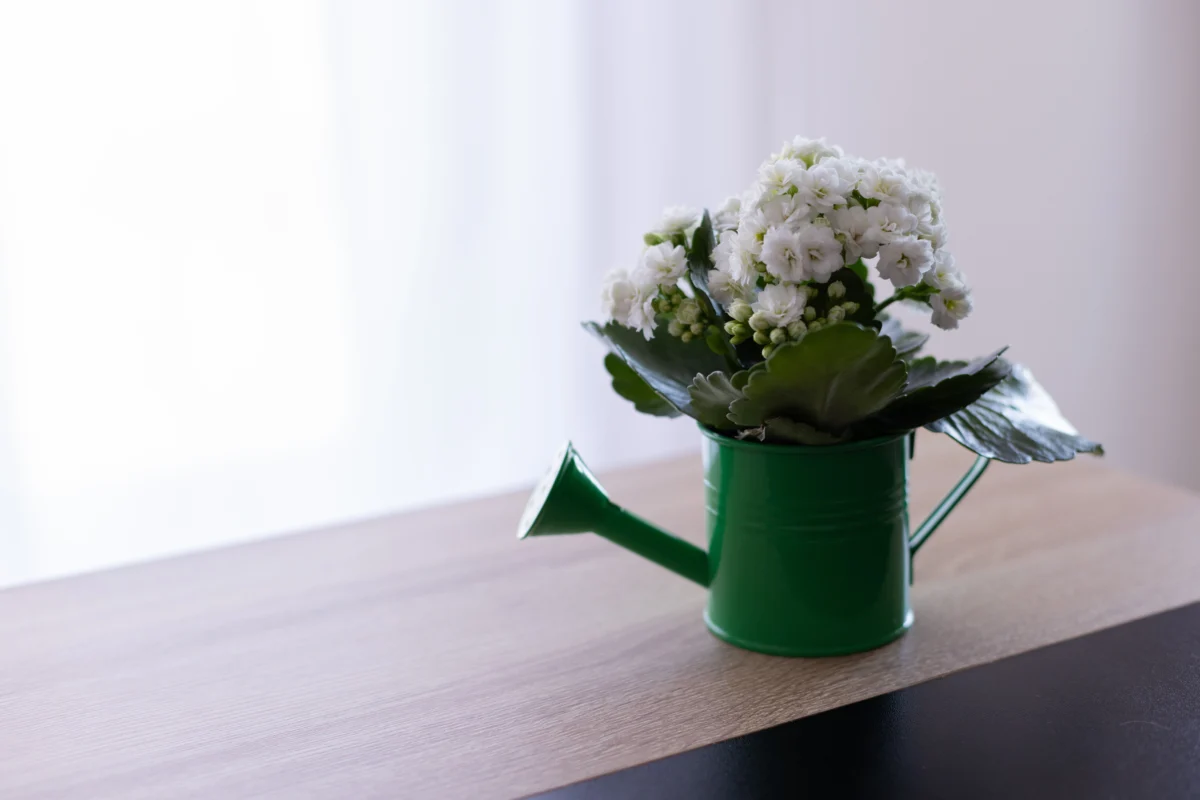
Nothing enhances an entryway credenza, kitchen counter, or coffee table quite like the charm of fresh blossoms. However, the ephemeral nature of cut flowers can be a drawback. For a more enduring splash of color and a perpetual source of natural beauty, consider incorporating indoor flowering plants into your home décor. Beyond their aesthetic appeal and potential for delightful fragrance, these living botanical treasures can significantly contribute to our mental and emotional well-being. As horticulturalist Peggy Anne Montgomery of Flowerbulb.eu points out, "Studies have shown that being around flowering plants can reduce stress, improve concentration, and increase feelings of happiness and relaxation." She further emphasizes the therapeutic benefits of plant care, stating, "Caring for a plant also gives us a sense of purpose and connection to nature, helping to lift spirits and make our homes feel warmer and more welcoming throughout the year." This article delves into eleven exceptional indoor flowering plants that promise to bring sustained beauty and tranquility to any living space, offering guidance on their selection and care.

The Enduring Appeal of Indoor Blooms
The desire to bring the outdoors in is a deeply ingrained human inclination, often fulfilled by cut flowers. However, the fleeting lifespan of a bouquet can be a source of disappointment. Indoor flowering plants offer a sustainable and rewarding alternative, providing continuous visual appeal and a connection to the natural world. The psychological benefits of surrounding oneself with greenery are well-documented. Research published in the Journal of Physiological Anthropology, for instance, has indicated that interaction with plants can lead to physiological responses associated with reduced stress, such as lower blood pressure and heart rate. Furthermore, the act of nurturing a living organism can foster a sense of accomplishment and responsibility, contributing to improved mood and a greater sense of purpose. This exploration focuses on plants that not only offer striking blooms but are also relatively manageable for home cultivation, making them accessible to both novice and experienced plant enthusiasts.
A Curated Selection of Indoor Flowering Plants
The following selection highlights a diverse range of indoor flowering plants, each with unique characteristics and care requirements, ensuring there’s an option to suit every taste and home environment.

1. Peace Lily (Spathiphyllum)
The peace lily, a ubiquitous yet elegant flowering houseplant, brings a touch of serene beauty to any interior. Originating from the tropical rainforests of the Americas, this plant is renowned for its graceful white spathes that elegantly arch above deep green foliage. Justin Hancock, a horticulturist with Costa Farms, notes the plant’s versatility: "There are different varieties, from windowsill types to giants that can get four feet tall and have hand-sized blooms." Its widespread popularity, according to Hancock, is largely due to its low-maintenance nature, making it an ideal choice for beginners. "The more light it gets, the better it will bloom," he advises. "It can do pretty well in medium and even lower-light conditions, but the less light it gets, the less energy it will have to bloom." This resilience, coupled with its striking appearance, makes the peace lily a consistent favorite for bringing a calming presence indoors.
2. Cape Primrose (Streptocarpus)
Often overlooked, the Cape primrose (Streptocarpus) offers a spectacular display of cascading, trumpet-shaped blooms in shades ranging from lavender to deep purple, often accented with contrasting white centers. Elin Harryson, an expert for the plant-care app Planta, describes it as "a lesser-known flowering houseplant that produces an abundance of drooping, trumpet-shaped lavender-to-purple blooms with white centers." She further notes its similarity to African violets, stating, "Closely related to African violets, it offers a similarly long bloom season but with a cascading growth habit." For optimal flowering, the Cape primrose requires bright, indirect light and consistently moist, well-draining soil. With proper care, it can maintain its floral show for months on end. An added benefit is its non-toxic nature, making it a safe choice for households with pets.
.png)
3. Kalanchoe (Kalanchoe blossfeldiana)
Kalanchoe, a popular succulent, is celebrated for its vibrant clusters of blooms that come in a dazzling array of colors, including red, orange, yellow, pink, and white. Harryson highlights its ease of care: "Kalanchoe is a flowering succulent that produces clusters of blooms in vibrant shades of red, orange, yellow, pink, or white. It’s incredibly low-maintenance, tolerates occasional missed waterings, and can flower for weeks at a time." This hardiness makes it an excellent option for individuals who travel frequently or may occasionally forget to water their plants. Its ability to thrive with minimal intervention ensures a consistent pop of color without demanding constant attention.
4. African Violet (Saintpaulia ionantha)
The African violet is a beloved houseplant classic that has experienced a resurgence in popularity. Justin Hancock of Costa Farms observes, "African violet is a classic that’s becoming popular again. It’s a relatively small, low-growing houseplant that’s pretty easy to get to bloom and comes in a huge range of colors. Plus, the fuzzy green leaves add texture when it’s not in bloom." Like many flowering houseplants, African violets benefit from ample bright, indirect light to encourage blooming. It is crucial to maintain consistent soil moisture and avoid wetting the foliage to prevent rot, ensuring the plant’s longevity and continued flowering.

5. Flowering Anthurium (Anthurium andraeanum)
The flowering anthurium is a striking plant that can bloom year-round under optimal conditions, making it a consistently rewarding choice for indoor gardeners. Hancock expresses his fondness for the plant: "I have a soft spot for flowering anthurium because it’s one of the easiest flowering houseplants to keep in bloom. If you have good conditions, it can bloom throughout the year." He further notes the plant’s diverse color palette, stating, "It’s most commonly found in red, but look around and you can find pink, white, orange, lavender, and other colors as well." It is important to note that the prominent, heart-shaped structure is technically a spathe, a modified leaf, rather than the true flower, which consists of numerous small blooms on a central spike. This plant’s adaptability allows it to function as a charming windowsill accent or a more substantial floor plant depending on the chosen variety.
6. Holiday Cactus (Schlumbergera)
Holiday cacti, which encompass species like Thanksgiving and Christmas cacti, are remarkably long-lived succulents with an exotic appearance that belies their simple care requirements. Hancock explains their appeal: "Sometimes broken down by species as Thanksgiving cacti and Christmas cacti, holiday cacti are exceptionally long-lived plants that have a really exotic appearance that belies how easy it is to care for them. They have interesting crab claw-like stems, and in the holiday season, they burst into bloom with a plethora of orchid-like flowers in pink, red, purple, orange, yellow, or white." For optimal blooming, these plants benefit from shorter days and longer nights, suggesting they should be placed in areas free from artificial light after sunset. This photoperiodic response is key to their seasonal floral displays.

7. Moth Orchid (Phalaenopsis)
Orchids, once a symbol of luxury and rarity, are now accessible to a broader audience, with the moth orchid (Phalaenopsis) being a prime example. Hancock highlights their impressive bloom duration: "The plant can stay in bloom three months or more from the time the first bloom opens to when the last bloom drops. And with proper care, the same plant can bloom and rebloom once or twice a year." This extended flowering period, coupled with their elegant form, makes them a sophisticated addition to any home. Their ability to rebloom annually offers a sustained return on investment, providing consistent beauty with attentive care.
8. Bromeliad (Bromeliaceae family)
Bromeliads bring a vibrant tropical essence indoors, characterized by their long-lasting, colorful flower bracts that appear in shades of red, orange, pink, or yellow. Harryson describes their appeal: "Bromeliads bring a tropical feel indoors with colorful, long-lasting flower bracts in red, orange, pink, or yellow. They are easy to care for and thrive in typical household conditions with bright, indirect light." A unique aspect of bromeliad care is their ability to absorb moisture through their foliage, necessitating the filling of the central cup formed by their leaves with fresh water. Their shallow root systems also require planting in a light, fast-draining soil to prevent root rot. Their relation to the pineapple family adds an interesting botanical connection.
.jpeg)
9. Mini Daffodils (Narcissus species)
Forcing miniature daffodils indoors offers a cheerful and accessible way to introduce vibrant color during the winter months. Montgomery emphasizes their appeal: "Forcing miniature daffodils indoors is an easy way to bring cheerful color into your home during the dark days of winter. Their bright yellow blooms provide a welcome reminder that spring is on the way, while their naturally short stems help keep the flowers upright and tidy without staking." Grouping several pots together can create a stunning centerpiece, bringing a sense of optimism and relaxation. The psychological impact of these sunny blooms is undeniable, contributing to a more positive home environment.
10. Amaryllis (Hippeastrum)
The amaryllis is synonymous with the holiday season, producing large, dramatic winter flowers that are both visually striking and a popular gift choice. Montgomery shares her tradition: "It wouldn’t be Christmas in our house without amaryllis. It’s also our go-to holiday gift that has sparked the same tradition in our friends’ and family’s homes. Flowers make people happy—what could be a better gift?" While red amaryllis is a holiday staple, the plant also blooms in white, pink, and rarer hues, offering versatility in seasonal décor. Its ability to produce such large blooms from a single bulb is a testament to its robust nature.

11. Paperwhites (Narcissus papyraceus)
Paperwhites offer a dual benefit of beautiful white blooms and a natural, pleasant fragrance, effectively serving as a living air freshener. Montgomery highlights their ease of cultivation: "These easy-to-grow blooms need only water and a container to produce clusters of white flowers in weeks." To ensure upright growth, rotating the pot regularly is recommended, preventing the stems from leaning towards the light source. While they appreciate bright, indirect sunlight, harsh afternoon sun can diminish the lifespan of their delicate petals, underscoring the importance of strategic placement.
Cultivating Joy and Well-being Through Flora
The integration of flowering plants into indoor environments transcends mere decoration. It is an investment in personal well-being, fostering a deeper connection with nature and promoting a sense of calm and happiness. The act of nurturing these plants, from watering to providing adequate light, can become a mindful practice, offering a welcome respite from the demands of daily life. As the collective understanding of biophilia—the innate human tendency to connect with nature—grows, so too does the appreciation for the profound benefits that indoor plants bring to our homes and our lives. By selecting from this curated list of flowering plants, individuals can cultivate not only beauty but also a more serene and joyful living space, enhancing their overall quality of life.

0 Comments