
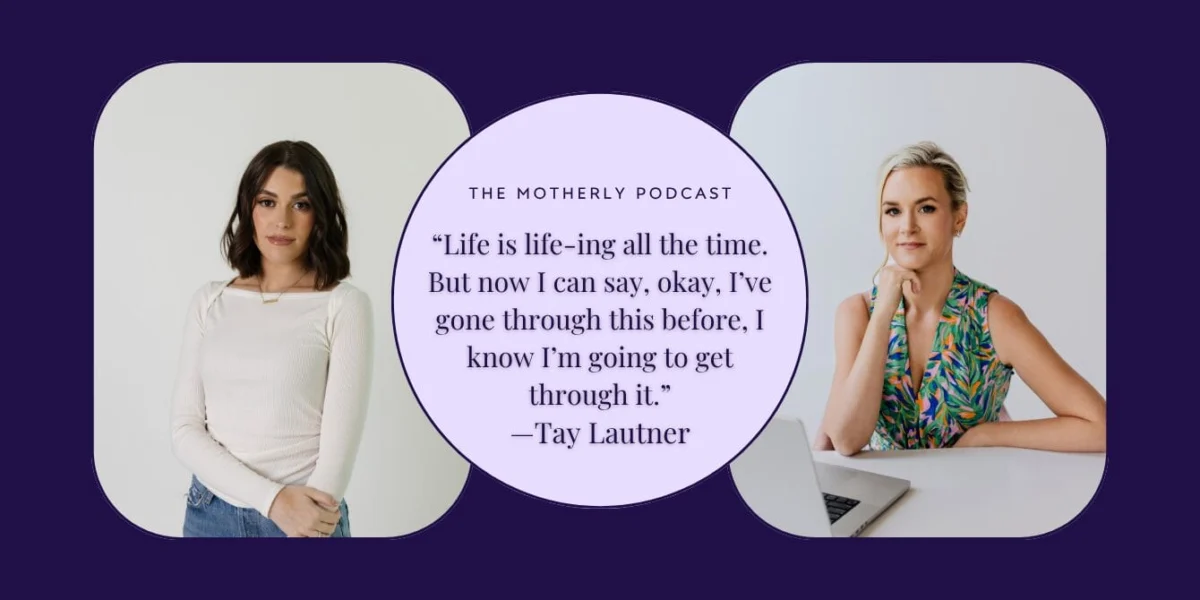
Tay Lautner, a registered nurse whose career began at the intense bedside of a COVID floor during the pandemic’s most harrowing period, has profoundly reshaped her professional trajectory, transitioning from direct patient care to becoming one of the most candid and influential voices in the mental health space. Her journey, marked by personal burnout and a subsequent PTSD diagnosis, now culminates at the precipice of a new, equally demanding role: first-time motherhood, a challenge poised to rigorously test the resilience of the mental wellness "toolbox" she has meticulously assembled. This comprehensive framework, built on consistent therapy, reflective journaling, cultivating quiet morning routines, and proactive monthly mental health check-ins, even during periods of apparent stability, is her anchor as she prepares for the arrival of her daughter. In a recent revealing conversation on The Motherly Podcast, Lautner offered an unvarnished account of the first trimester’s unexpected rigors, the critical illness that compelled her departure from the hospital environment, and the profound aspirations she holds for her daughter to witness her mother’s dedication to both professional purpose and personal well-being.
From Frontlines to Advocacy: A Pandemic-Driven Transformation
Lautner’s professional journey commenced under unprecedented global circumstances. After graduating at the close of 2019, she successfully passed her NCLEX examination in February 2020, mere weeks before the World Health Organization declared COVID-19 a global pandemic. Initially working as a telemetry nurse specializing in cardiac care, her hospital unit, like countless others across the globe, was swiftly converted to a dedicated COVID-19 ward by December 2020. This abrupt shift thrust new graduates and seasoned professionals alike into an environment of extreme stress, high mortality rates, and rapidly evolving medical protocols.
The experience of working on a COVID floor during the peak of the pandemic was, as Lautner describes, an overwhelming "whirlwind" for which no prior training could have adequately prepared her or her colleagues. Healthcare workers globally faced a dire confluence of challenges: critical staffing shortages leading to nurses working "out of ratio," insufficient personal protective equipment (PPE) in the early stages, the emotional toll of witnessing widespread suffering and death, and the constant fear of personal infection and transmission to loved ones. Studies conducted during and after the pandemic consistently highlight the severe mental health impact on frontline healthcare providers. For instance, a systematic review published in Frontiers in Psychiatry in 2021 indicated that nurses experienced significant rates of anxiety, depression, and post-traumatic stress disorder (PTSD), with figures often exceeding 20-30% in affected populations. Lautner’s candid description of her experience as a "little new nurse working nights" underscores the particular vulnerability of early-career professionals navigating such a crisis without the extensive coping mechanisms or institutional support that might have existed in less tumultuous times.
Lautner’s inherent "dancer mentality"—a deeply ingrained characteristic from her background in dance, which she pursued as a college major—initially led her to believe she could "tough it out." This mindset, common among athletes and high-achievers, often prioritizes perseverance and resilience over acknowledging personal limits, particularly in demanding professions like nursing. However, the cumulative strain of the pandemic environment began to manifest in subtle yet significant ways. It was her husband, Taylor Lautner, who first articulated a concern, observing that she seemed "a little checked out." While initially attributing this to the exhausting nature of night shifts, the comment served as a crucial catalyst for self-reflection.
The decisive turning point arrived when Lautner contracted COVID-19, not from her workplace, but from the wider community. Her ensuing battle with "long COVID," which rendered her severely debilitated for one to two months, forcing her onto disability leave, proved to be an unexpected blessing in disguise. This enforced removal from the relentless hospital environment provided the stillness and quiet necessary for her to confront the profound impact of her experiences. Unable to distract herself with work or daily routines, she was compelled to process the trauma. She ultimately left the hospital in September 2021, a decision she believes might have been indefinitely postponed had her illness not intervened. Her subsequent diagnoses of PTSD, depression, and anxiety validated the profound psychological toll the pandemic had exacted, an experience that now forms the bedrock of her current advocacy work.
Building a Resilient Foundation: The Healing Journey and "Toolbox"
The path to healing for Tay Lautner was multifaceted and deliberate, centered significantly on professional therapy. As she recounts, a crucial aspect of this therapeutic process was the acceptance that her experiences were not "okay," despite her persistent self-assurance that she had "got through it." Her therapist played a pivotal role in validating her trauma, emphasizing that no one, let alone someone of her age, should endure such extreme conditions. This validation marked a fundamental shift from self-minimization to acknowledging the severity of her struggle.
Prior to her pandemic nursing experience, Lautner admits she lacked a robust personal "toolbox" of self-care practices. Her life had not presented challenges of such magnitude, leaving her ill-equipped to navigate the psychological aftermath. Her healing journey thus became an active process of constructing this essential toolkit, a collection of strategies and routines designed to foster mental well-being proactively. Key components include consistent engagement with her therapist, even during periods of stability, reinforcing a proactive rather than reactive approach to mental health. This monthly check-in serves as a preventative measure, ensuring minor stressors don’t escalate.
Beyond professional guidance, Lautner integrates daily practices such as journaling, which offers a private space for emotional processing and self-reflection, and cultivating "quiet time" in the mornings, a moment for mindfulness and grounding before the demands of the day begin. The emphasis on consistency for these practices is paramount. As she explains, when challenging situations inevitably arise, the impact is less frightening because she has established coping mechanisms and a foundational sense of resilience. While these tools do not eliminate the inherent difficulties of life, they equip her with the capacity to navigate them more effectively, transforming a sense of being overwhelmed into a structured approach: "I’ve gone through this before, I know I’m going to get through it, and these are the steps I have to take." This proactive stance aligns with contemporary mental health paradigms that emphasize prevention, early intervention, and the cultivation of personal resilience.
Lemons to Lemonade: Founding a Movement
The inception of Tay Lautner’s mental health advocacy began almost immediately after her departure from the hospital, driven by a profound desire to connect with others who were similarly struggling. Recognizing that the pandemic’s mental health impact was universal, affecting healthcare workers, those isolated at home, and individuals across all walks of life, she sought to create a platform for community and human-to-human interaction. This impulse led to the creation of her blog, "Lemons by Tay." The evocative name stemmed from her personal experience during that period, where life felt less like "handing me one" lemon, but rather "throwing thousands." This powerful metaphor resonated with many experiencing their own struggles, instantly communicating a sense of shared adversity and the potential for transformation.
"Lemons by Tay" quickly evolved beyond a personal blog. In 2022, Lautner founded The Lemons Foundation, a non-profit organization dedicated to the critical mission of eliminating the stigma surrounding mental health. This initiative reflects a broader societal movement to normalize discussions about mental illness, dismantle misconceptions, and encourage individuals to seek help without shame. The foundation’s work contributes to shifting public perception, advocating for mental health as an integral component of overall well-being, rather than a separate, stigmatized issue.
Building on this foundation, in 2023, Tay and her husband, Taylor Lautner, launched "The Squeeze" podcast. This platform takes a unique approach to mental health discourse by examining it "from inside the spotlight." Lautner observed that many people held a misconception that public figures or those with wealth were somehow immune to mental health struggles. Through "The Squeeze," the couple leverages their unique position and connections to showcase that mental health challenges are a universal human experience, transcending fame, socioeconomic status, or profession. By featuring candid conversations with individuals who navigate public life, the podcast aims to further dismantle the notion that mental health struggles are a sign of weakness or a burden exclusive to certain demographics. This approach is particularly impactful, as celebrity endorsement and open discussion have been shown to significantly reduce stigma and encourage help-seeking behaviors among wider audiences.
Navigating New Horizons: Motherhood and Mental Wellness
As Tay Lautner approaches the imminent arrival of her first child, motherhood represents a profound new chapter, one that she anticipates will test the robustness of her carefully constructed mental health practices. The transition to parenthood is widely recognized as a period of significant psychological adjustment, often accompanied by sleep deprivation, hormonal shifts, and immense responsibility, all of which can strain even the most resilient individuals.
Lautner openly shares her surprise regarding the realities of pregnancy, particularly the first trimester. While common knowledge often focuses on "morning sickness" and physical swelling, she discovered a much more intricate and layered experience involving extensive body changes and fluctuating emotional states. Her observation that many people "don’t really talk about it" — largely due to the tradition of not announcing pregnancy until after the first trimester due to miscarriage risks, followed by a tendency to "forget what happened" once feeling better in the second trimester — highlights a significant gap in public discourse around maternal health. This lack of open conversation can leave expectant mothers feeling isolated and unprepared for the intensity of early pregnancy symptoms, both physical and psychological.
Another common challenge Lautner navigates is the deluge of unsolicited advice that accompanies pregnancy, a phenomenon she anticipates will only intensify once her daughter is born. While she generally maintains a "laid back" demeanor, acknowledging advice with a polite "Okay, thanks," certain comments, like "It goes by so fast. You’re going to blink and your kid is going to be in high school," resonate differently. For an expectant mother in the present moment, such statements, while well-intentioned, can feel dismissive of the current, often challenging, experience and evoke anxieties about future loss of time.
Looking ahead, Lautner is keenly aware that integrating her self-care practices into the demanding routine of new motherhood will require a "rewiring" of her brain and a recalibration of how she prioritizes her own needs. While acknowledging that her baby’s needs will "obviously come first," her intention is to actively seek out and dedicate time, even if just a few minutes, for quiet reflection and self-check-ins. This deliberate commitment underscores the importance of maternal mental health, recognizing that a mother’s well-being is intrinsically linked to her capacity to care for her child effectively. Moreover, Lautner views this as an opportunity for intergenerational learning, expressing her desire for her daughter to witness her mother actively prioritizing self-care. "How are they going to learn to do that if I’m not leading by example?" she posits, articulating a powerful vision for fostering emotional intelligence and self-awareness in her child from an early age.
A Collaborative Partnership: Life and Work with Taylor Lautner
Tay Lautner’s journey is intricately interwoven with her husband, Taylor Lautner, forming a compelling example of a collaborative partnership that extends across both personal and professional spheres. Their relationship, built on a foundation of deep friendship, fuels not only their personal connection but also their shared creative endeavors, most notably "The Squeeze" podcast. Tay playfully characterizes their dynamic: "He’s the talent… I say ‘Hey, we’re going to do this,’ and he says ‘Great.’" This lighthearted description belies a profound synergy, where Tay’s vision and strategic thinking combine with Taylor’s creative insights and experience from years in the public eye. Their collaboration allows them to leverage Taylor’s understanding of social media dynamics and content presentation, making their mental health message accessible and engaging.
Crucially, their partnership is strengthened by their shared experiences with mental health struggles. Both have undergone significant individual and joint therapeutic work, particularly during the earlier years of their relationship. This proactive investment in their mental well-being has created a robust framework for navigating challenges, ensuring that they can effectively support each other. This mutual understanding and established communication pathways make it "a lot easier to work through things," whether one partner needs more support than the other.
As they prepare for fatherhood, Tay expresses immense excitement about witnessing Taylor in this new role, affirming a long-held conviction: "I always say that I started dating him because I knew he’d be a really good dad." His consistent support throughout her pregnancy, especially given its unexpected difficulties, has further solidified her belief in his paternal capabilities. Their shared journey through pregnancy, combined with their established commitment to mental health, positions them as a united front in navigating the joys and inevitable challenges of parenthood, embodying a modern partnership where emotional intelligence and mutual support are paramount.
Broader Implications and a Future of Open Dialogue
Tay Lautner’s remarkable journey from the crucible of pandemic nursing to a prominent voice in mental health advocacy and now to the threshold of motherhood offers a compelling microcosm of several larger societal trends. Her experience as a frontline healthcare worker who suffered burnout and PTSD underscores the urgent and ongoing need for robust mental health support systems within the medical community. The long-term psychological impact of the COVID-19 pandemic on healthcare professionals remains a critical public health concern, with many still grappling with the aftereffects of trauma, moral injury, and exhaustion. Lautner’s story serves as a powerful reminder that "toughing it out" is not a sustainable solution and that systemic changes are necessary to protect the well-being of those who care for others.
Furthermore, her pivot to founding The Lemons Foundation and co-hosting "The Squeeze" with her husband signifies a crucial shift in the societal dialogue surrounding mental health. By openly sharing her vulnerabilities and creating platforms for others, including public figures, to do the same, Lautner contributes significantly to the destigmatization of mental illness. Her advocacy helps to normalize the experience of struggling and seeking help, moving mental health conversations from the periphery to the mainstream. This is particularly vital in a culture where external success is often conflated with internal well-being, masking the silent battles many face.
As she prepares for motherhood, Lautner’s commitment to maintaining her mental health "toolbox" and modeling self-care for her daughter resonates with the growing awareness of maternal mental health. The often-unspoken challenges of pregnancy and postpartum life are increasingly being brought into public discourse, emphasizing the importance of supporting new mothers not just physically, but psychologically. Her desire for her daughter to witness her mother’s dedication to both professional ambition and personal well-being speaks to a progressive vision of womanhood, challenging traditional narratives that often pit career against family or self-care against selfless motherhood.
In essence, Tay Lautner’s story is one of profound resilience, adaptation, and purposeful advocacy. It is a testament to the human capacity to transform personal adversity into a powerful platform for positive change. Her experiences highlight the enduring legacy of the pandemic on those who served on the front lines, the universal nature of mental health struggles, and the imperative to foster open dialogue, build robust support systems, and prioritize self-care in an increasingly complex world. As she embarks on the journey of motherhood, her unwavering commitment to these principles ensures that her impact will continue to resonate, inspiring countless individuals to cultivate their own mental well-being and embrace a future of greater empathy and understanding.

0 Comments