
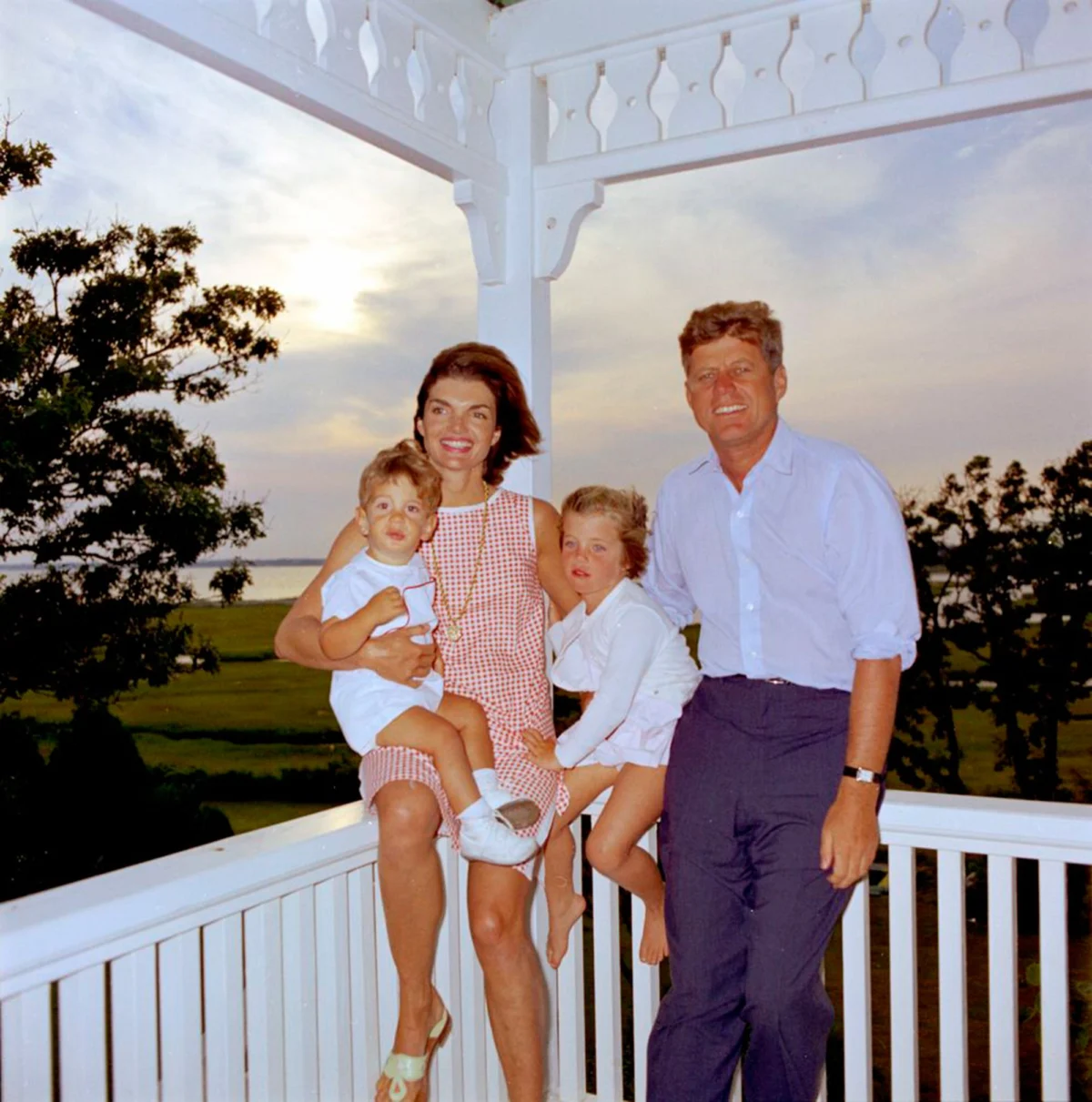
Hyannis Port, a quiet residential village on the shores of Cape Cod, Massachusetts, has long served as the spiritual and social epicenter for the Kennedy family, one of the most influential political dynasties in American history. As the summer season reaches its peak, the public’s enduring fascination with the family’s traditions—ranging from competitive sailing to high-profile social gatherings—remains a testament to the lasting power of the "Camelot" mythos. The Kennedy Compound, a sprawling six-acre waterfront estate, has functioned not only as a private retreat but as a stage for international diplomacy, political strategy, and the cultivation of a public image defined by vigor, wealth, and service. Recently, this interest has been reinvigorated by popular culture, specifically the FX television series Love Story, which dramatizes the lives of the family’s most famous members, and historical milestones that continue to draw scholars and tourists alike to the shores of the Atlantic.

The Architectural Foundation of a Political Dynasty
The Kennedy Compound consists of three primary residences situated on Irving and Marchant Avenues in Hyannis Port. The original home, a colonial-style structure often referred to as the "Big House," was purchased by Joseph P. Kennedy Sr. and Rose Fitzgerald Kennedy in 1928. It was here that the couple raised their nine children, instilling in them a fierce sense of competition and public duty. Over the decades, the estate expanded as John F. Kennedy and Robert F. Kennedy purchased adjacent properties in the 1950s, creating a unified family enclave.

The physical layout of the compound facilitated the family’s signature lifestyle. Expansive lawns provided the setting for the legendary touch football games that became synonymous with the Kennedy brand of "vigah." The proximity to the Nantucket Sound allowed for a lifelong obsession with maritime activities. The family’s fleet, most notably the 25-foot sloop Victura, became a recurring character in the photographic record of the 20th century. These architectural and geographical features were not merely for leisure; they were instrumental in crafting the image of an active, athletic, and cohesive American family that resonated deeply with the electorate during the Cold War era.

A Chronology of Influence: From the 1920s to the Present
The history of the Kennedy family at Hyannis Port is a timeline of American history itself, marked by periods of immense triumph and profound tragedy.

The Formative Years (1928–1959)
Following the purchase of the estate in 1928, the compound served as the summer base for Joseph P. Kennedy Sr.’s burgeoning business and political empire. During the 1930s and 1940s, the children spent their formative years navigating the waters of Cape Cod. It was during this period that the family established the social routines—formal dinners, intellectual debates, and rigorous outdoor activity—that would define them for generations.

The Presidential Era (1960–1963)
In 1960, Hyannis Port became the center of the political universe. On election night in November 1960, the family gathered at the compound to await the results that would make John F. Kennedy the 35th President of the United States. During his presidency, the estate was designated the "Summer White House." The transformation was both symbolic and logistical. The Hyannis Armory was converted into a press center, and the Secret Service established a permanent presence. The compound hosted foreign dignitaries and served as the backdrop for critical policy discussions, including deliberations regarding the Civil Rights Movement and the burgeoning conflict in Vietnam.

The Era of the "Anchor" (1964–2009)
Following the assassinations of John and Robert Kennedy, the responsibility of maintaining the family’s unity fell largely to Senator Edward "Ted" Kennedy. For four decades, he served as the "anchor" of the compound. Under his stewardship, the estate remained a gathering place for the next generation of Kennedys. It was also a site of continued tragedy, such as the 1969 Chappaquiddick incident and the 1999 plane crash that claimed the lives of John F. Kennedy Jr., his wife Carolyn Bessette-Kennedy, and her sister Lauren Bessette.

The Modern Era and Cultural Resurgence (2010–Present)
In 2012, the compound made headlines when pop icon Taylor Swift reportedly attended the family’s Independence Day festivities while dating Conor Kennedy, the grandson of Robert F. Kennedy. This intersection of political royalty and modern celebrity culture demonstrated the family’s continued social relevance. More recently, the 2024 television season saw a surge in interest due to the FX series Love Story, which explores the high-profile and tragic marriage of JFK Jr. and Carolyn Bessette, much of which was centered around their time at the Cape.

The "Summer White House" and the Mechanics of Image
The designation of Hyannis Port as the Summer White House was a pivotal moment in the professionalization of presidential optics. Unlike the more formal settings of Washington D.C., Hyannis Port allowed John F. Kennedy to project an image of relatability and vitality. Supporting data from the John F. Kennedy Presidential Library and Museum indicates that during the summer months of 1961 and 1962, the President spent nearly 25% of his time at the compound or on the surrounding waters.

This period saw the introduction of the "photo op" as a strategic political tool. Images of the President sailing on the Victura or walking barefoot on the beach with his children were distributed globally. Analysis by media historians suggests that these images were carefully curated to contrast with the aging leadership of the Soviet Union, presenting the United States as a young, dynamic, and forward-looking nation. The compound was not just a home; it was a production studio for the American Dream.

Supporting Data: Economic and Local Impact
The Kennedy presence has had a quantifiable impact on the Cape Cod region. According to local tourism data, the Kennedy Legacy Trail in Hyannis—a 1.6-mile walking trail that includes the JFK Hyannis Museum—attracts over 50,000 visitors annually. The economic footprint of "Kennedy tourism" contributes millions of dollars to the local economy, supporting hotels, restaurants, and maritime services.

Furthermore, the family’s philanthropic efforts in the region are extensive. The Edward M. Kennedy Institute and various family foundations have contributed significantly to environmental conservation on the Cape and the preservation of historic landmarks. The compound itself was donated by the family to the Edward M. Kennedy Institute for the United States Senate in 2012, ensuring that the "Big House" would be used for educational programming and as a retreat for visiting scholars and leaders.

Media Representation and the FX Series "Love Story"
The recent FX series Love Story (specifically the season titled American Love Story) has sparked a new wave of discourse regarding the Kennedy legacy. By focusing on the 1990s era of the family, the series highlights the shift from political power to celebrity status. Critics and historians note that the portrayal of Hyannis Port in the series underscores the compound’s role as both a sanctuary and a "gilded cage."

Reaction from the family to such dramatizations has historically been private. However, sources close to the family often emphasize that while the media focuses on the glamour and the tragedy, the reality of the compound is rooted in the mundane traditions of a large family. Inferred reactions from the younger generation of Kennedys suggest a desire to honor the past while distancing themselves from the "curse" narratives often favored by tabloid media. The series has successfully introduced the Hyannis Port aesthetic—minimalist New England chic—to a new generation, influencing fashion and interior design trends.

Broader Implications of the Kennedy Legacy in the 21st Century
The enduring fascination with the Kennedys at Hyannis Port reflects a broader American nostalgia for a perceived era of national unity and purpose. Fact-based analysis of the family’s impact suggests that they redefined the "citizen-leader" model, where personal charisma and public service are inextricably linked.

However, the legacy is not without its complexities. The compound stands as a symbol of inherited wealth and privilege, prompting modern discussions about the nature of political dynasties in a democratic society. As the family continues to evolve—with members serving in diplomatic roles, running for office, or engaging in environmental activism—the Hyannis Port estate remains the physical manifestation of their history.

In conclusion, the Kennedy Compound in Hyannis Port is more than a collection of houses; it is a landmark of American political and cultural history. From the strategic maneuvers of the Cold War to the high-profile social events of the 21st century, the estate has remained a constant in an ever-changing world. As long as the public remains captivated by the blend of power, beauty, and tragedy that defines the Kennedy family, the shores of Cape Cod will continue to be viewed as the heart of the American Camelot. The ongoing media interest and the steady stream of visitors to Hyannis Port ensure that the stories born on those six acres will continue to be told for generations to come.

0 Comments