
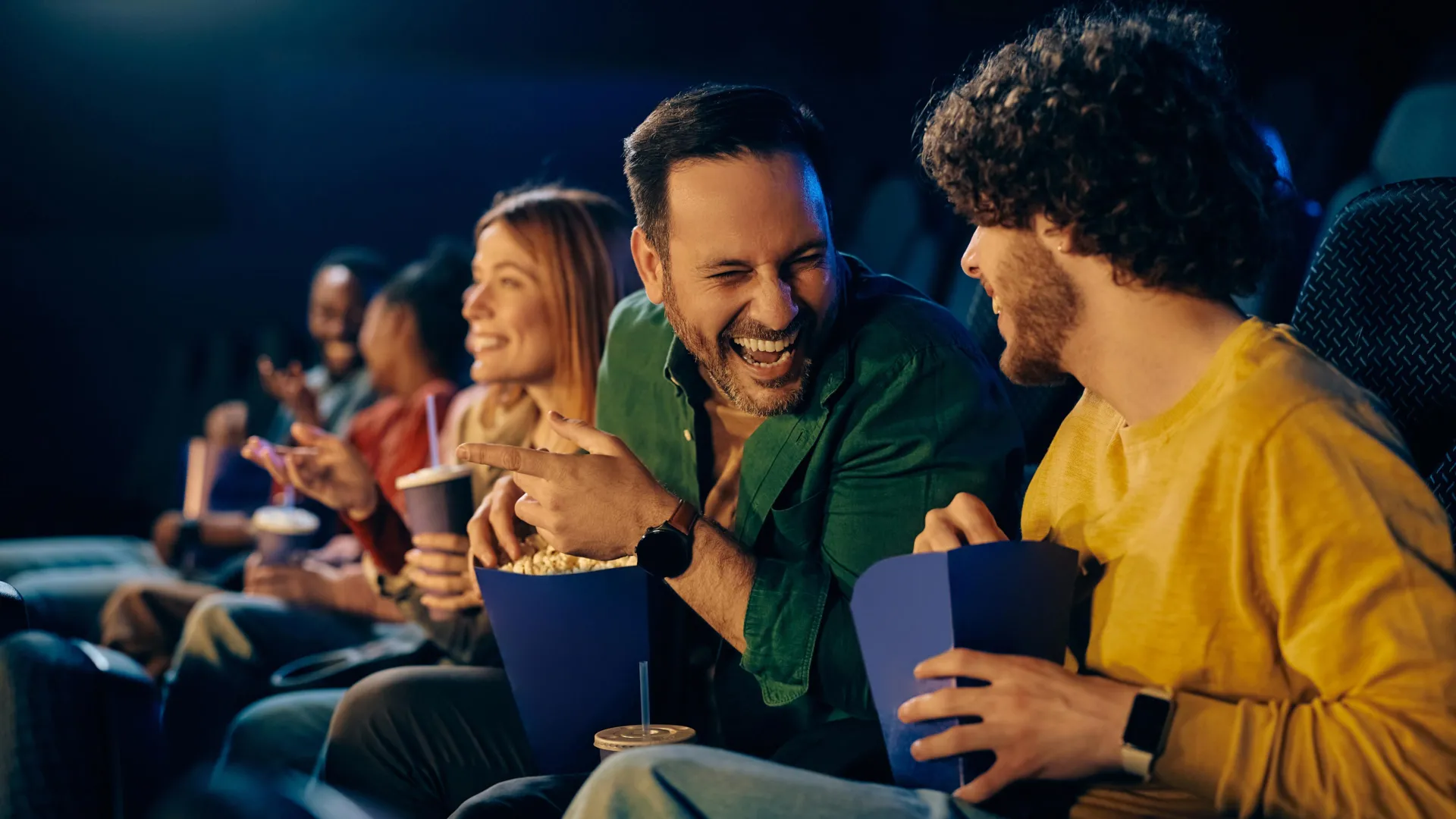
People who regularly immerse themselves in the vibrant world of arts and culture—frequenting museums, theaters, concerts, and cinemas—may be unlocking a hidden benefit that goes beyond mere enjoyment. A groundbreaking new study, meticulously conducted and recently published, suggests a compelling association between consistent engagement with cultural activities and a younger physiological age. This means that individuals who actively participate in these pursuits may possess bodies that function with the vitality and efficiency of those several years their junior, regardless of their chronological age.
This significant finding, detailed in the esteemed Journal of Epidemiology and Community Health, adds substantial weight to a growing body of evidence highlighting the crucial role of social and cultural engagement in promoting healthy aging. As populations worldwide continue to age, understanding the modifiable factors that contribute to a higher quality of life in later years becomes increasingly vital for public health initiatives and individual well-being.
Understanding Physiological Age vs. Chronological Age
While the passage of time is inevitable, the rate at which our bodies age is far from uniform. Chronological age, a simple count of years lived, offers a basic measure of time. In contrast, physiological age delves deeper, reflecting the actual functional capacity and health of an individual’s biological systems. It is a measure of how well the body is performing, and it can diverge significantly from one’s chronological age. A person might be chronologically 70 years old but possess a physiological age of 65, indicating a more robust and resilient biological state. Conversely, poor health habits and environmental factors can lead to a physiological age that exceeds chronological age, signaling accelerated biological aging.
The distinction between these two measures is fundamental to understanding the implications of the current study. It suggests that our lifestyle choices, including our leisure activities, can actively influence the biological clock within us, potentially slowing down the aging process at a cellular and systemic level.
The Genesis of the Research: Addressing a Knowledge Gap
While previous research has consistently pointed to a correlation between cultural activities and improved health and well-being in older adults, relatively few studies have specifically investigated the direct link between these activities and the nuanced process of physiological aging itself. This gap in knowledge prompted researchers at the Institute of Science Tokyo in Japan to undertake a pioneering longitudinal study. Their objective was to meticulously examine this relationship, crucially, while accounting for confounding factors that remain stable over time, thereby enhancing the robustness of their findings.
Longitudinal studies are particularly valuable in aging research because they track the same individuals over extended periods, allowing researchers to observe changes and establish temporal relationships between behaviors and outcomes. This approach is far more powerful than cross-sectional studies, which capture a snapshot in time, in inferring causality.
Methodology: A Deep Dive into Biological Markers and Cultural Habits
The research team meticulously analyzed data from a substantial cohort of 1,899 adults who were participants in the English Longitudinal Study of Ageing (ELSA). ELSA is a prestigious, ongoing, population-based study that draws a nationally representative sample of adults aged 50 and older residing in England. This ensures that the findings are likely to be generalizable to a broader population of older adults in similar socio-economic contexts.
Participants contributed data across multiple survey waves, specifically during the periods of 2004/2005, 2006/2007, or 2008/2009. This multi-wave data collection is essential for longitudinal analysis, allowing for the tracking of changes in both physiological markers and reported behaviors over time.
To establish a comprehensive measure of physiological age, a team of nurses collected data on ten key indicators of physical health. These indicators were carefully selected to represent a broad spectrum of bodily functions and health status. They included:
- Pulse pressure: The difference between systolic and diastolic blood pressure, an indicator of arterial stiffness.
- Diastolic blood pressure: The lower number in a blood pressure reading, reflecting pressure in arteries when the heart rests.
- Forced expiratory volume (FEV1): A measure of lung function, indicating how much air can be forcefully exhaled in one second.
- Hemoglobin concentration: The amount of hemoglobin in the blood, crucial for oxygen transport.
- Fibrinogen: A protein involved in blood clotting, with elevated levels linked to cardiovascular risk.
- Glycated hemoglobin (HbA1c): A measure of average blood sugar levels over the past 2-3 months, a key indicator for diabetes.
- Low-density lipoprotein (LDL) cholesterol: Often referred to as "bad" cholesterol, high levels are associated with increased risk of heart disease.
- Body Mass Index (BMI): A measure of body fat based on height and weight, used to assess weight categories.
- Grip strength: A common proxy for overall muscle strength and physical function.
- Walking speed: A simple yet powerful indicator of mobility, cardiovascular health, and overall frailty.
These ten distinct measurements were then integrated into a single, composite physiological age score. This approach allows for a holistic assessment of an individual’s biological functioning, moving beyond single-point measures to capture a more nuanced picture of their physiological state.
In parallel, participants provided detailed self-reported data on their engagement with specific cultural activities. They were asked to report the frequency of their attendance at:
- The cinema: A measure of engagement with film as an art form and social activity.
- Museums or art galleries: Indicating interest in visual arts, history, and scientific exhibits.
- Theaters, concerts, or the opera: Reflecting participation in live performing arts.
Each of these activities was scored on a scale ranging from 0 (never attending) to 5 (attending twice a month or more). By summing these scores across the three categories, researchers generated a total cultural engagement score, which could range from a minimum of 0 to a maximum of 15. This scoring system provided a quantifiable measure of an individual’s overall immersion in cultural pursuits.
The Compelling Link: Higher Cultural Engagement, Younger Bodies
The results of this rigorous analysis revealed a striking correlation. Individuals who reported higher levels of cultural engagement—defined in this study as participating in cultural activities at least every few months—exhibited an average physiological age of 66.9 years. In stark contrast, those with lower levels of participation, meaning they engaged less frequently, had an average physiological age of 69.9 years. This represents a significant difference of approximately three years in physiological aging.
Beyond the direct measure of physiological age, the study also identified other demographic and health characteristics that were more prevalent among individuals with higher cultural engagement. These individuals were more likely to be women, to possess a higher socioeconomic status, to be employed, and, crucially, to already report better overall health. These findings suggest that cultural engagement may be intertwined with a constellation of factors that contribute to healthier aging.
Unpacking the Data: The Statistical Significance of Cultural Immersion
To further strengthen the evidence, the researchers conducted statistical adjustments to account for potential confounding variables. They carefully controlled for factors such as household income, employment status, and the presence of chronic health conditions. Even after these adjustments, the association between cultural engagement and physiological age remained statistically significant.
The analysis revealed a precise quantitative relationship: for every one-point increase in the cultural engagement score, there was an associated reduction of 0.085 years in physiological age. To put this into tangible terms, this equates to approximately a 31-day reduction in physiological age for each incremental step up in cultural participation. While this might seem a small increment per point, over a lifetime of consistent engagement, these small gains can accumulate to a significant difference in biological aging.
Exploring the "Why": Mechanisms Behind the Cultural Dividend
The researchers proposed several plausible explanations for the observed association between cultural engagement and slower physiological aging. They posited that cultural activities can act as a catalyst for several beneficial processes:
- Strengthening Social Connections: Attending museums, concerts, or plays often involves social interaction, whether with friends, family, or fellow attendees. Strong social networks are well-established protective factors for both mental and physical health, combating loneliness and isolation, which are detrimental to well-being.
- Encouraging Healthier Lifestyle Habits: Individuals who engage in cultural activities may also be more inclined to adopt other healthy habits. For instance, planning a trip to the theater might coincide with making healthier food choices beforehand or ensuring adequate rest. While not directly measured in this study, this potential spillover effect is a plausible contributor.
- Supporting Better Mental Health: The cognitive stimulation provided by art, music, and performance can be profoundly beneficial for mental well-being. Engaging with complex narratives, appreciating intricate artistic details, and experiencing the emotional resonance of live performances can help maintain cognitive function, reduce stress, and foster a sense of purpose and fulfillment. All of these mental health benefits can, in turn, positively influence physiological processes.
Limitations and Future Directions: A Nuanced Perspective
It is crucial to acknowledge the inherent limitations of observational research. While this study demonstrates a strong association, it cannot definitively establish a cause-and-effect relationship. The authors themselves prudently note that reverse causation is a possibility. In other words, it is conceivable that individuals who are already healthier and more physically robust are simply more likely and more able to attend cultural events. Their inherent good health might predispose them to cultural engagement, rather than cultural engagement directly causing the younger physiological age.
Despite these limitations, the researchers are optimistic about the potential implications of their findings. They argue that cultural engagement represents a modifiable behavior, meaning it is something individuals can consciously choose to increase. This makes it a compelling candidate for integration into public health strategies aimed at promoting healthy aging. The authors even draw a remarkable parallel, suggesting that the impact of cultural engagement on physiological aging can be comparable to that of frequent physical activity, a cornerstone of healthy living.
Towards a More Culturally Accessible Future
Looking ahead, the researchers advocate for initiatives that would make cultural events more accessible to a wider population. Addressing geographical barriers, such as the availability of venues in underserved areas, and financial barriers, through affordable ticket pricing or subsidized programs, could empower more individuals to reap the potential benefits of cultural participation.
The study concludes by emphasizing the need for further research. Future investigations are required to determine whether actively encouraging greater cultural engagement, through targeted interventions, can indeed lead to lasting improvements in health outcomes and demonstrably healthier aging over the long term. Such research could involve randomized controlled trials where one group is encouraged to increase cultural participation while a control group maintains their usual habits, allowing for a direct assessment of causal impact.
In essence, this research illuminates a fascinating intersection of art, culture, and biology. It suggests that the pursuit of enriching cultural experiences may not only nourish the soul but also contribute to the longevity and vitality of the body, offering a compelling new perspective on the multifaceted nature of healthy aging.

0 Comments