
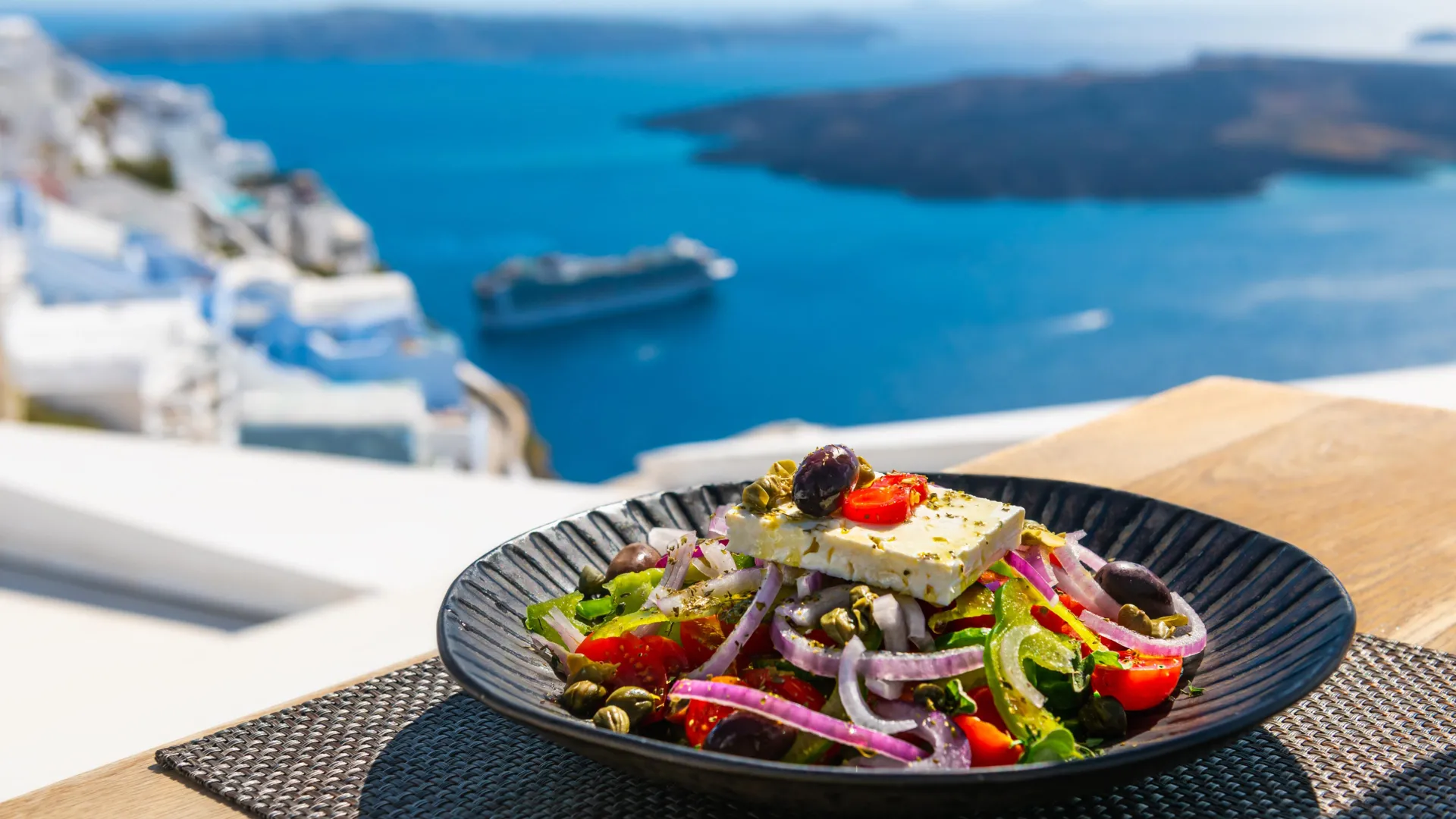
A groundbreaking study spearheaded by researchers at the USC Leonard Davis School of Gerontology has illuminated a previously unrecognized biological pathway through which the Mediterranean diet may exert its profound influence on aging. The research, published in Frontiers in Nutrition, identifies tiny proteins, known as mitochondrial microproteins, as crucial intermediaries connecting dietary patterns to cellular health and longevity. These minuscule molecules, humanin and SHMOOSE, produced within the cell’s energy-generating powerhouses, mitochondria, are now emerging as potential biomarkers for the protective effects of this revered eating pattern.
The study’s findings offer a compelling molecular explanation for the well-established health benefits associated with the Mediterranean diet, a dietary regimen long lauded for its association with reduced risk of cardiovascular disease, type 2 diabetes, cognitive decline, and premature mortality. For decades, epidemiological studies have consistently linked adherence to this eating style with superior health outcomes, yet the precise cellular mechanisms have remained somewhat elusive. This new research, however, provides a tangible link, suggesting that the foods we consume can directly impact the signaling molecules released by mitochondria, thereby influencing how our cells function and age.
Unveiling the Mitochondrial Connection
Mitochondria, often referred to as the "powerhouses" of the cell, are primarily known for their role in generating adenosine triphosphate (ATP), the cell’s main energy currency. However, scientific understanding has evolved to recognize their multifaceted nature. Beyond energy production, mitochondria are now understood to release a cascade of chemical signals that regulate critical cellular processes, including metabolism, inflammation, stress responses, and the intricate dance of aging.
The USC-led investigation analyzed blood samples from a cohort of older adults, assessing their adherence to the Mediterranean diet and correlating it with levels of specific mitochondrial microproteins. The results were striking: individuals who most closely followed the Mediterranean diet exhibited significantly higher concentrations of two particular microproteins: humanin and SHMOOSE. These proteins have independently garnered attention for their protective roles against cardiovascular disease and neurodegeneration, conditions that often accelerate with age.
Roberto Vicinanza, an instructional associate professor of gerontology at the USC Leonard Davis School and the lead author of the study, emphasized the significance of this discovery. "These microproteins may act as molecular messengers that translate what we eat into how our cells function and age," Vicinanza stated. "It’s a new biological pathway that helps explain why the Mediterranean diet is so powerful." This concept suggests a sophisticated interplay where dietary choices directly influence the internal cellular environment, mediated by these newly identified signaling molecules.
The Pillars of the Mediterranean Diet and Their Molecular Echoes
The Mediterranean diet is characterized by its emphasis on whole, minimally processed foods. Key components include generous amounts of olive oil, fish, legumes, fruits, vegetables, and whole grains. Conversely, it typically limits refined carbohydrates, highly processed products, and foods laden with added sugars. This dietary framework has been the subject of extensive research for over half a century, with landmark studies such as the Seven Countries Study, initiated in the late 1950s, providing early epidemiological evidence of its health-promoting properties.
In the context of the USC study, specific dietary elements demonstrated a particularly strong association with elevated levels of humanin and SHMOOSE. Higher consumption of olive oil, fish, and legumes was correlated with increased humanin levels. Olive oil, a cornerstone of the Mediterranean diet, rich in monounsaturated fats and polyphenols, along with a lower intake of refined carbohydrates, was linked to higher SHMOOSE levels. Refined carbohydrates, such as those found in white bread and sugary pastries, are rapidly digested, leading to sharp spikes in blood sugar and often contributing to systemic inflammation and oxidative stress.
Pinchas Cohen, Dean of the USC Leonard Davis School and the study’s senior author, highlighted the implications for understanding dietary efficacy. "These findings suggest that specific components of the Mediterranean diet may directly influence mitochondrial biology," Cohen remarked. "Humanin and SHMOOSE could serve as biomarkers for adherence to the Mediterranean diet and have clinical significance." The concept of biomarkers is critical here; these measurable indicators could potentially allow clinicians and researchers to objectively assess an individual’s response to a Mediterranean eating pattern, moving beyond simple dietary recall.
Deep Dive into Mitochondrial Microproteins: Guardians of Cellular Health
The discovery of humanin and SHMOOSE builds upon over two decades of pioneering research led by Dr. Cohen, who has been instrumental in identifying peptides produced by mitochondria. While most human proteins are synthesized based on genetic instructions encoded in the cell nucleus, mitochondria possess their own distinct genetic material, inherited independently from nuclear DNA.
Humanin and SHMOOSE originate from short segments of this mitochondrial genome, known as small open reading frames (sORFs). These regions were once considered largely non-functional "junk DNA." However, contemporary research has revealed that some of these sORFs are transcribed and translated into small, biologically active microproteins that play critical regulatory roles.
Humanin, one of the most extensively studied of these mitochondrial peptides, was first identified by Cohen and his colleagues in 2003. Subsequent research has linked it to a range of beneficial effects, including improved insulin sensitivity, enhanced cardiovascular protection, extended lifespan, and the preservation of cognitive function. These findings suggest humanin acts as a potent endogenous protective agent.
More recently, Cohen’s laboratory identified SHMOOSE (Small Human Mitochondrial ORF Over SErine tRNA). Research into SHMOOSE has particularly focused on its role in brain health. Studies have indicated that certain genetic variations of SHMOOSE are associated with an increased risk of Alzheimer’s disease, while the typical form appears to play a protective role, shielding neurons from damage induced by amyloid plaques – a hallmark of Alzheimer’s pathology.
"These peptides are emerging as key regulators of aging biology," Cohen elaborated. "They connect mitochondrial function to diseases like Alzheimer’s and heart disease and now, potentially, to nutrition." This integrated view of aging biology, where nutrition, mitochondrial function, and age-related diseases are interconnected, represents a significant advancement in the field of gerontology.
A New Mechanism for Cardiovascular Protection
The study also uncovered a compelling link between humanin and Nox2, an enzyme implicated in the production of reactive oxygen species (ROS). While ROS are essential for normal cellular signaling and immune responses, an overabundance can lead to oxidative stress, a state of cellular damage that contributes to aging and numerous chronic diseases.
The research found that higher levels of humanin were associated with reduced Nox2 activity. This inverse relationship suggests that humanin may play a role in mitigating oxidative damage, thereby offering enhanced protection to the cardiovascular system. The implications for heart health are substantial. The researchers propose that the Mediterranean diet may confer cardiovascular benefits through a dual mechanism: directly reducing oxidative stress while simultaneously boosting the production of mitochondrial microproteins like humanin, which actively restrain damaging cellular pathways.
"This could represent a new cardioprotective mechanism of the Mediterranean diet," Vicinanza stated, underscoring the novelty of this proposed pathway. This insight could lead to novel therapeutic strategies aimed at bolstering endogenous antioxidant defenses through dietary interventions.
From Traditional Diets to Global Health Initiatives
Beyond the laboratory, the principles of the Mediterranean diet are gaining traction as a model for holistic well-being, encompassing not only health but also cultural heritage and environmental sustainability. Roberto Vicinanza has been a vocal advocate for the diet’s broader implications, collaborating with entities like the Municipality of Pollica in Italy, a UNESCO Mediterranean Diet emblematic community. His efforts have contributed to the establishment of the International Day of the Mediterranean Diet at the United Nations, observed annually on November 16th. This global observance aims to elevate awareness of the diet’s multifaceted importance worldwide.
Vicinanza views this broader mission as intrinsically linked to the latest scientific findings. "We’re connecting centuries-old dietary traditions with cutting-edge molecular biology," he remarked. "It supports the idea that healthy eating patterns with little to no ultra-processed foods reflect how humans have eaten over long periods and may create conditions to which mitochondria – ancient cellular organelles – are likely adapted." This perspective highlights the deep evolutionary compatibility between traditional diets and human physiology, particularly concerning mitochondria, which are considered ancient organelles, believed to have originated from endosymbiotic bacteria over a billion years ago.
The Dawn of Precision Nutrition
While the current study is observational and relatively small in scale, identifying associations rather than definitive causal links, its findings represent a significant step towards the burgeoning field of precision nutrition. Precision nutrition seeks to tailor dietary recommendations to individual biological characteristics, including genetics, metabolism, and lifestyle factors.
The identification of humanin, SHMOOSE, and related mitochondrial microproteins as potential dietary response biomarkers opens up exciting possibilities. Future research will focus on establishing causality, investigating whether deliberate dietary changes can indeed elevate these peptide levels and, crucially, whether such increases translate into measurable reductions in disease risk.
"Our goal is to move from observing associations to understanding causality," Vicinanza affirmed. "If we can harness these pathways, we may be able to design nutritional strategies that promote healthy aging at the molecular level." This forward-looking vision suggests that by understanding the intricate molecular dialogue between diet and our cellular machinery, we can develop personalized nutritional interventions that optimize health and longevity.
The study, titled "Mediterranean diet adherence is associated with mitochondrial microproteins Humanin and SHMOOSE; potential role of the Humanin-Nox2 interaction in cardioprotection," was published on March 9, 2026, in the journal Frontiers in Nutrition. Coauthors included Junxiang Wan and Kelvin Yen from the USC Leonard Davis School, and Vittoria Cammisotto, Francesco Violi, and Pasquale Pignatelli from Sapienza University of Rome. The research received funding from several esteemed sources, including the USC Daryl and Irwin Simon Nutrition for Alzheimer’s Disease Prevention Research Fund, the Hanson-Thorell Family Research Award, National Institutes of Health grant P30AG094848, and PRIN 2022 grant 000031_23_PP_PIGNATELLI_PRIN_2022-B53D23021240006.

0 Comments