
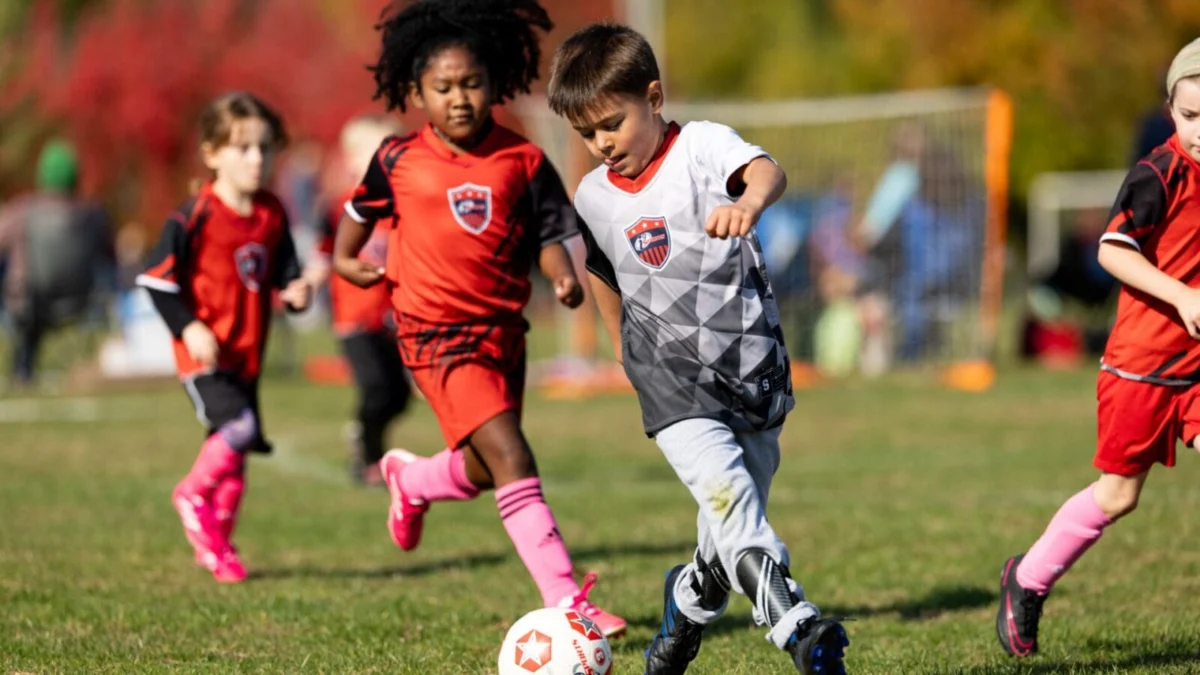
The arena of youth sports is a vibrant, often complex landscape where parents navigate decisions that profoundly shape their children’s early athletic journeys. From the surging popularity of soccer post-World Cup to the perennial appeal of basketball and baseball, the options for young athletes are vast and varied. This proliferation, however, comes with its own set of challenges, as parents grapple with balancing competitive aspirations, financial commitments, and, most importantly, their child’s holistic development and sustained enjoyment. To demystify this critical decision-making process, experts Justin Hoeveler, President of US Sports Camps, and Madison Gates, VP of Marketing at i9 Sports, offer invaluable insights derived from their extensive experience with thousands of young athletes annually. Their collective wisdom underscores a singular, overarching principle: the paramount factor in a child’s initial sports experience is whether the program fosters a desire to return, prioritizing engagement and positive reinforcement over early specialization or win-loss records.

The Evolving Landscape of Youth Sports in America

Youth sports in the United States have undergone a significant transformation over the past few decades, evolving from informal neighborhood games to a highly organized, multi-billion-dollar industry. Historically, children engaged in spontaneous play, developing skills and a love for movement through unstructured activities. However, the latter half of the 20th century saw the rise of formalized leagues and clubs, driven by a growing emphasis on athletic development and, for some, the distant dream of collegiate scholarships or professional careers. Today, an estimated 60 million children and adolescents participate in organized sports each year, with participation rates often fluctuating based on sport popularity trends, such as the post-World Cup surge observed in soccer. This growth has led to a fragmented system comprising various recreational departments, local clubs, and highly competitive travel teams, each with distinct philosophies, commitments, and costs.

This expansion has also brought increased scrutiny from health professionals and developmental experts. Concerns about overuse injuries, psychological burnout, and the financial strain on families have become prominent. The American Academy of Pediatrics (AAP), for instance, has issued comprehensive guidelines advocating against early sport specialization, emphasizing the importance of multi-sport play for broader skill development, reduced injury risk, and enhanced long-term athletic engagement.

The Perils of Early Specialization and the Wisdom of Multi-Sport Play

A common misconception among parents, often fueled by media narratives and intense competitive environments, is that early specialization in a single sport is necessary to achieve elite athletic status. However, a growing body of research, supported by insights from seasoned sports professionals, strongly refutes this notion. Justin Hoeveler, who himself excelled in two varsity sports at Northwestern, tennis and basketball, attributes his enduring passion and development to this varied experience. "Playing multiple sports gave me different ways to compete, different skills to develop, and ultimately helped me avoid burnout," he states.

The AAP’s research robustly supports this perspective, linking early specialization—defined as intense, year-round training in a single sport with exclusion of other sports—to a heightened risk of mental fatigue, overuse injuries, and a decline in intrinsic interest in the sport itself. For example, studies have shown that young athletes who specialize early are significantly more prone to injuries such as growth plate fractures, anterior cruciate ligament (ACL) tears, and stress fractures, which can have long-term consequences for their physical health and athletic potential. Psychologically, the intense pressure and repetitive nature of specialized training can lead to stress, anxiety, and ultimately, burnout, causing children to abandon sports altogether.

Multi-sport participation, conversely, offers a wealth of benefits. It fosters a wider range of motor skills, enhances overall athleticism, and allows children to discover which activities they genuinely enjoy. This diverse engagement also reduces the repetitive stress on specific muscle groups and joints, thereby lowering the risk of overuse injuries. More importantly, it cultivates a healthier psychological outlook, allowing children to develop a robust sense of identity not solely tied to athletic performance.

Lessons from the ‘Norway Model’

In the global discourse surrounding youth sports, Norway’s model frequently emerges as a benchmark for its child-centric approach. The Norwegian system deliberately delays formal competition and results tracking for young athletes, instead prioritizing broad participation, skill development, and, crucially, enjoyment. Until children reach approximately 13 years of age, the emphasis is on fun, inclusion, and the development of fundamental movement skills across various activities, rather than on winning or identifying "talented" athletes for early elite pathways.

Hoeveler highlights that while the U.S. lacks Norway’s centralized sports infrastructure, its underlying philosophy is highly transferable. In a system characterized by a "patchwork of club and travel programs that can quietly push kids toward earlier commitment," parents can actively seek out programs that embody Norway’s values. This means looking for environments that prioritize confidence-building, foster a love for physical activity, and provide a safe space for children to explore and develop at their own pace. The goal, as exemplified by the sheer joy of World Cup stars like Erling Haaland, should be to nurture an intrinsic passion for the game, ensuring that the child is "having THE MOST fun."

Critical Questions for Program Selection

When considering a youth sports program, parents often focus on facilities, team records, or coaching credentials. However, Madison Gates of i9 Sports suggests that a more revealing indicator of a program’s true culture lies in how coaches interact with young athletes. She emphasizes that one of the most useful questions a parent can ask is, "How does the coach respond when a child makes a mistake?" This seemingly small detail offers profound insight into the program’s philosophy.

Gates cites an i9 survey where a staggering 83 percent of parents reported that positive, encouraging coaching was more important to them than a coach’s athletic background or credentials. A coach who responds to a missed catch or a bad pass with patience, constructive feedback, and encouragement builds resilience and self-esteem. Conversely, a coach who shows frustration or uses negative language can erode a child’s confidence and enjoyment, leading to early disengagement.

Gates further advises parents to be wary of "red flag" programs that predominantly market themselves with rankings, standings, or promises of tournament advancement. These metrics, while appealing to some competitive instincts, often indicate a culture that places winning above child development. The most effective programs, she argues, prioritize creating a sense of belonging, ensuring that children feel supported and included, and allowing them to make mistakes and learn safely without fear of judgment.

The Value of Trying Before Committing

The financial and time commitments associated with youth sports can be substantial, making the decision to enroll in a program a significant one for families. The author’s personal experience—her son sampling numerous sports before moving on, and her daughter finding her niche in lacrosse without pursuing hyper-competitive club play—illustrates the diverse paths children take. This narrative underscores the importance of allowing children the freedom to explore and discover their interests organically.

Hoeveler advocates for a "try before you commit" strategy. Week-long camps, for example, offer an excellent low-stakes opportunity for children to develop new skills, explore a sport they’re curious about, or deepen their engagement with an existing favorite, all without the pressure of a full-season or year-round commitment. This approach allows both the child and the family to gauge interest and compatibility before investing heavily in a program that might not be the right fit.

Navigating the Cost and Commitment

The financial aspect of youth sports is a significant consideration for many families. Community recreational leagues, such as those offered by i9 Sports, typically cost around $200 for a six-to-eight-week season, often including uniforms and featuring a manageable schedule of one practice and one game per week. These programs are designed for broad participation and skill introduction, providing an accessible entry point for most families.

However, the costs escalate dramatically with competitive club and travel sports. These programs often entail substantial tournament fees, multiple weekly practices, significant travel expenses for out-of-town competitions, and a considerable demand on family weekends. Gates advises parents to engage in transparent conversations with potential programs, asking explicit questions about the number of required practices, the extent of expected travel, and whether tournament participation is optional or mandatory. This upfront clarity enables families to make informed decisions about the level of financial and time commitment they are prepared to undertake, ensuring that participation remains a conscious choice rather than an inadvertent drift into an overwhelming schedule.

Broader Implications for Child Well-being and Development

Beyond athletic achievement, participation in youth sports offers profound benefits for a child’s overall well-being. Regular physical activity is crucial for developing healthy bodies, improving cardiovascular health, and combating childhood obesity. However, the advantages extend far beyond the physical realm.

- Mental Health: Sports provide an outlet for stress, promote emotional regulation, and can significantly boost self-esteem and confidence. The camaraderie of a team fosters social connections, reducing feelings of isolation.
- Life Skills: Team sports are a fertile ground for developing essential life skills. Children learn teamwork, cooperation, discipline, and perseverance. They also learn to handle both success and failure gracefully, developing resilience that transcends the playing field. The process of making mistakes, receiving feedback, and striving for improvement is a powerful lesson in growth mindset.
- Social Development: Interacting with peers and coaches in a structured environment helps children develop communication skills, learn to respect authority, and understand the importance of fair play.
Ultimately, the journey through youth sports, whether it involves dabbling in many activities or dedicating oneself to one, is a deeply personal and developmental one. The author’s reflection on her children’s differing paths—one exploring a variety of sports and moving on, the other finding a single passion without seeking external validation—encapsulates the core message: the ultimate goal is not to pinpoint "the right sport" or to groom a future professional athlete. Instead, it is about empowering children to discover, on their own terms, the joy of movement, the thrill of effort, and the enduring desire to keep playing. By prioritizing fun, positive coaching, multi-sport engagement, and open communication about commitments, parents can ensure that their children’s initial foray into organized sports is a foundation for lifelong physical activity, robust mental health, and invaluable life lessons.

0 Comments