
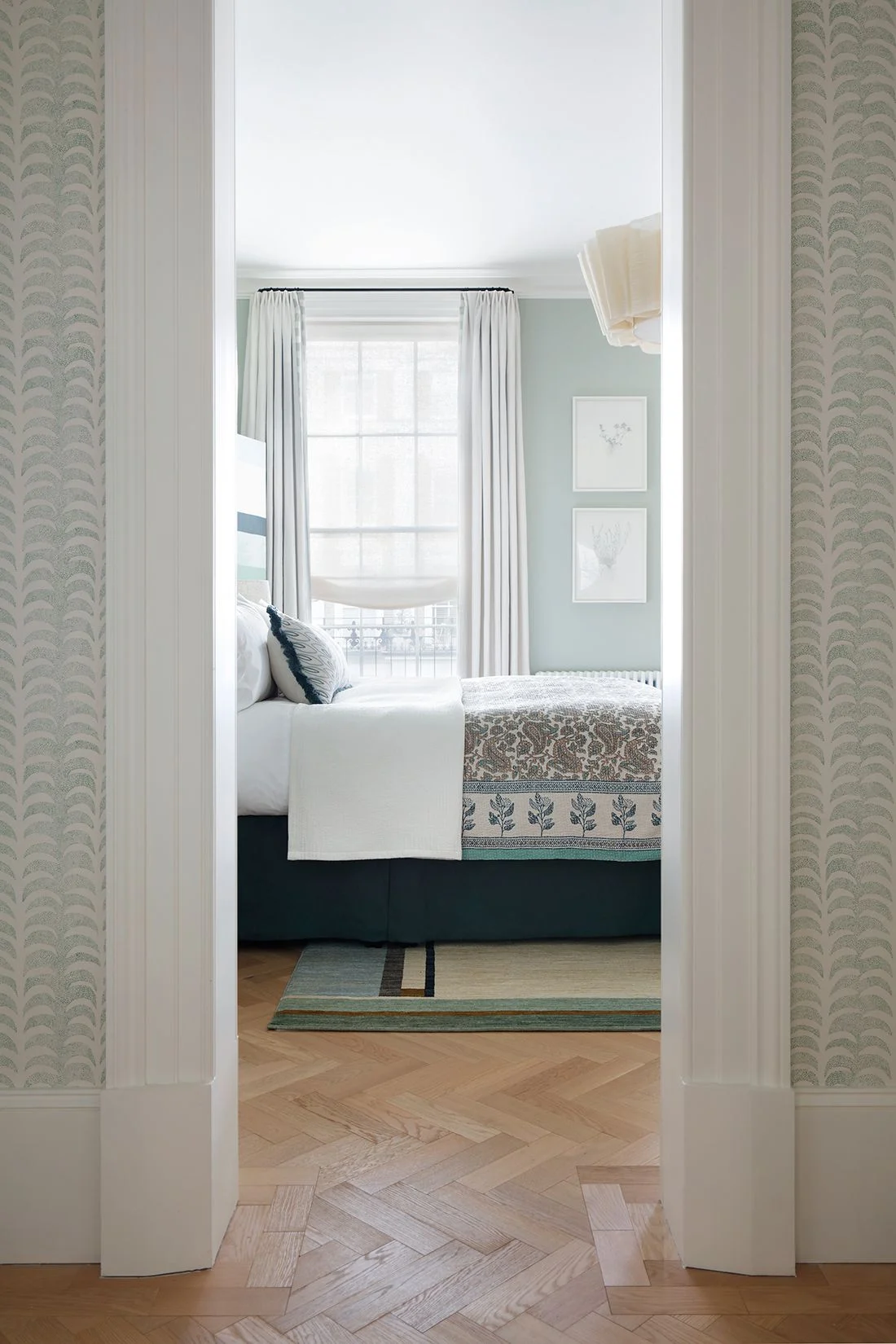
While a simple set of drapes or a functional set of blinds typically suffices for maintaining privacy, interior design experts are increasingly advocating for a more sophisticated approach: layering window treatments. This technique, involving the strategic combination of curtains, sheers, and blinds, not only enhances a home’s aesthetic appeal but also offers a spectrum of functional benefits, from light control and sound absorption to an overall sense of depth and richness. This trend is transforming how homeowners and designers approach window treatments, moving beyond mere utility to embrace a more nuanced and atmospheric design strategy.
The Multifaceted Appeal of Layered Window Treatments
The concept of layering window treatments is rooted in the desire to create dynamic and adaptable living spaces. As New York-based interior designer Sarah Lederman explains, "Layered drapery adds a sense of depth and visual richness that a single layer might not achieve, without taking up additional square footage." This approach draws parallels to the design principles found in five-star hotel rooms, where multiple layers of fabric are often employed to offer guests customizable light coverage, enhanced privacy, improved acoustics, and a more inviting ambiance. At home, this layering can prevent rooms from feeling one-dimensional, contributing to a more curated and luxurious feel.
Haley Weidenbaum, co-founder of Everhem, emphasizes the versatility offered by layered treatments. "I always think of it as a solution for spaces that need to transition from airy and bright during the day to cozy and secluded at night," she states. This adaptability is particularly valuable in rooms like media spaces, where glare reduction is crucial for optimal viewing, or in nurseries, where the ability to create a dark, sleep-conducive environment is paramount. Weidenbaum also offers a practical tip: placing sheer fabrics closest to the glass allows natural light to permeate the space during the day, while heavier drapes can be drawn for privacy or light blockage.
Strategic Combinations for Optimal Performance
The successful implementation of layered window treatments hinges on a thoughtful consideration of each element’s purpose and how they interact. Architect and interior designer Suzanne Lovell suggests distinguishing between the functional roles of different window coverings. "Shades and screens address the functional demands of the space, often for limiting portions of sunlight, while drapery is an extension of ceiling height, acting to accentuate or embolden the quality of our architecture," Lovell notes.
A common and effective design strategy involves placing shades or blinds within the window trim, thereby maintaining a clean architectural line. Draperies, on the other hand, are typically hung outside the window frame, extending upwards towards the ceiling. This placement creates an illusion of greater height and spaciousness, elongating the room’s visual line without obscuring decorative architectural details. This technique, often seen in high-end interior design projects, maximizes the perceived volume of a room, making even smaller spaces feel more expansive and open.

Nina Farmer, a Boston-based interior designer, stresses the importance of intentionality in material and opacity choices. "The materials and opacities do not always need to be dramatically different, but there should be some level of contrast or variation so the layers feel purposeful and harmonious, rather than overly matched," Farmer advises. This curated contrast can manifest in various ways. For a relaxed aesthetic, pairing a natural woven bamboo shade with an airy linen drape can achieve a harmonious blend of textures. For rooms requiring more significant light control and a touch of formality, a thinner cotton layer positioned beneath a heavier velvet or patterned fabric can create a balanced and structured look.
Sarah Peake, founder of Studio Peake, highlights the nuanced approach to layering with shades as the base layer. "I love a sheer linen to allow light to pass through the Roman blind I set into the window reveal in the day," she says. Peake often opts for a soft fold style for Roman blinds to maintain a relaxed feel, counteracting any potential formality that layered treatments might otherwise impose. The end result, according to Peake, is a space that feels "cozy, full of texture and light."
Beyond Aesthetics: Functional Advantages
The benefits of layered drapery extend significantly beyond visual appeal, offering tangible improvements to a home’s comfort and energy efficiency. The inclusion of multiple fabric layers can contribute to improved insulation. Denser fabrics, such as velvet or blackout linings, can help retain heat during colder months and block excessive solar gain in the summer, potentially reducing energy consumption for heating and cooling. Studies by organizations like the U.S. Department of Energy have indicated that window treatments can significantly impact a home’s energy performance, with well-chosen drapes contributing to substantial energy savings.
Furthermore, layered window treatments play a crucial role in acoustic management. The additional fabric layers act as sound dampeners, absorbing ambient noise and reducing echoes within a room. This is particularly beneficial in urban environments or homes with hard flooring and minimalist decor, where sound can reverberate easily. The ability to soften sound can transform a room into a more tranquil and comfortable sanctuary.
Installation and Material Considerations
Proper installation is key to realizing the full potential of layered window treatments. Haley Weidenbaum suggests mounting hardware high and wide. This can involve using a double rod system, allowing for two distinct layers of fabric to hang independently, or combining an inside-mount shade with an outside-mount curtain. "This prevents the fabric from feeling bulky or making the window appear smaller," Weidenbaum notes, ensuring that the layered effect enhances rather than detracts from the window’s visual presence.
The choice of materials is also paramount. For instance, a combination of a sheer linen curtain with a heavier textured drape can offer a beautiful interplay of light and shadow. The sheer layer diffuses natural light, creating a soft, diffused glow, while the heavier drape provides privacy and light blockage when needed. Alternatively, a blackout roller shade paired with a decorative curtain can offer complete darkness for sleeping or media viewing, while the curtain adds a layer of style and texture to the room.

The visual harmony of layered treatments can be achieved through various means. A common approach is to use a neutral shade or blind as a base and pair it with a more decorative or textured curtain. For example, a simple white Roman shade can be layered with a bold, patterned curtain in a rich fabric like silk or velvet. Conversely, a heavily textured or patterned shade could be complemented by a simpler, more understated curtain to avoid overwhelming the space.
Emerging Trends and Future Outlook
The trend towards layered drapery reflects a broader shift in interior design towards creating personalized, functional, and comfortable living environments. As homeowners increasingly seek to imbue their spaces with character and adaptability, the role of window treatments has evolved from a purely utilitarian necessity to a significant design element. The ability to customize light, privacy, and ambiance through thoughtful layering positions this trend as a lasting approach to interior styling.
Industry publications and design showcases have consistently featured layered window treatments, underscoring their growing popularity. Retailers are responding by offering a wider range of compatible products, from specialized double curtain rods to coordinated collections of blinds, shades, and draperies. This increased accessibility further fuels the trend, making it easier for homeowners to experiment with and adopt layered window treatments in their own homes.
The analysis of implications suggests that this trend is not merely a fleeting fad but a fundamental evolution in how we perceive and utilize window coverings. By integrating aesthetic appeal with practical functionality, layered drapery offers a sophisticated solution for contemporary living. It empowers individuals to curate their home environments with greater control and intention, transforming ordinary windows into dynamic features that enhance both the beauty and livability of their spaces. As design continues to prioritize comfort, personalization, and versatility, the art of layering window treatments is poised to remain a cornerstone of elegant and functional interior design for years to come.

0 Comments