
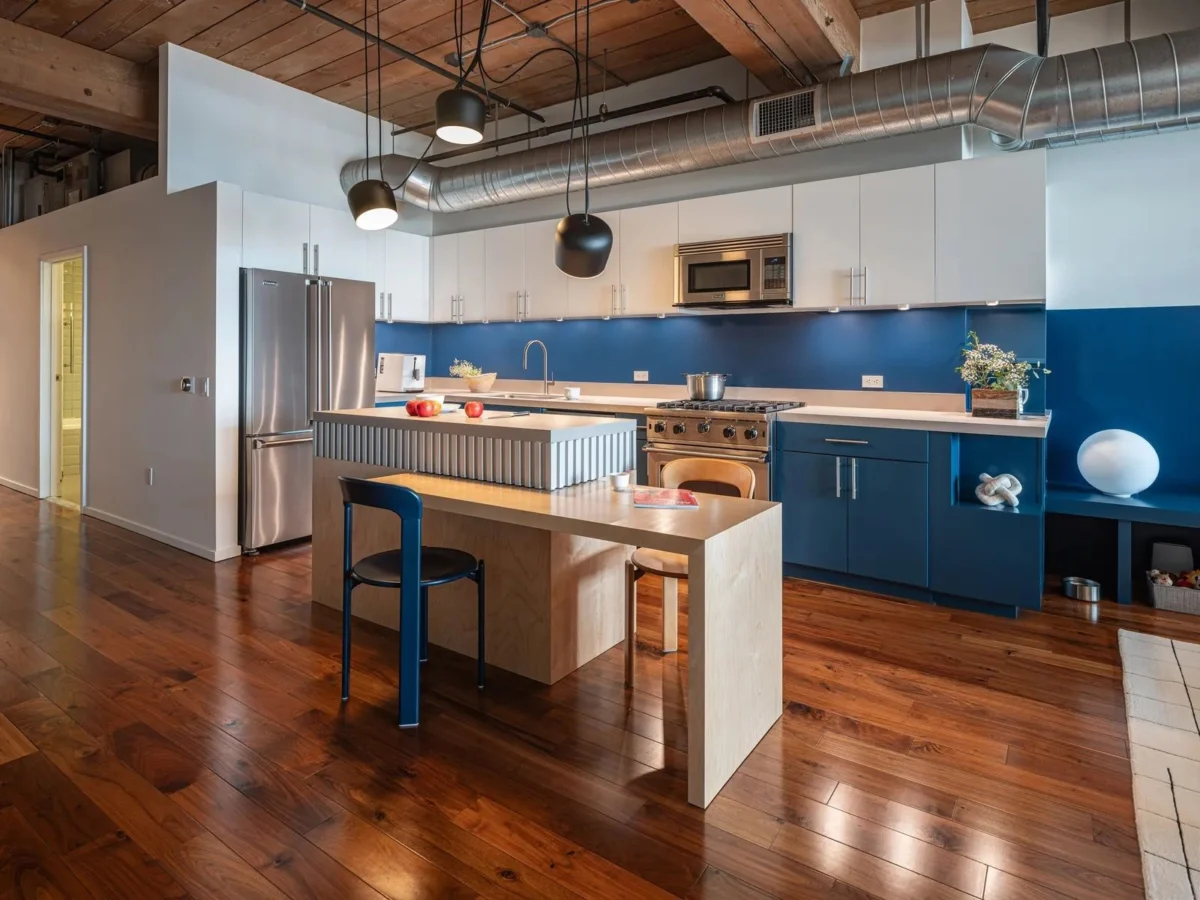
A few years ago, the traditional dining room was declared a relic, its formal structure yielding to the fluid demands of modern life. The kitchen, once a functional space, transformed into the dynamic heart of the home, a hub where cooking, eating, working, and living became inextricably intertwined. This evolution was not merely a shift in furniture arrangement but a profound redefinition of domesticity, prioritizing flexibility and seamless integration of activities. Furniture itself began to mirror this change, with custom pieces designed to adapt and transform, embodying a resistance to rigid definitions and marking the table as an instrument of everyday life rather than a monument to special occasions.
This architectural and interior design perspective, however, is now facing a new and unexpected influence: the growing prevalence of GLP-1 medications. These weight-loss drugs, initially lauded for their physiological impact, are now revealing a deeper, more pervasive influence on the very fabric of our homes. Beyond personal well-being, they are subtly but significantly reshaping our domestic spaces, altering our relationship with food, routine, and the architecture that surrounds these fundamental aspects of human existence.
The Shifting Landscape of Domestic Rituals
The traditional role of the kitchen as the central stage for culinary creation and communal gathering is undergoing a significant transformation. As GLP-1 medications increasingly reduce appetite and alter the perceived necessity of elaborate meal preparation, the architectural implications are becoming evident. Walk-in pantries, once brimming with ingredients for diverse culinary endeavors, are being reconfigured. Their contents are shifting from fresh produce and pantry staples to a more streamlined selection focused on convenience and nutritional supplementation, such as protein powders and specialized drinks. This recalibration reflects a reduced emphasis on the time-intensive processes of cooking and a greater focus on efficient nutrient intake.
The article "This Is Your Home on GLP-1s" by Elyse Moody in Architectural Digest highlights these emergent trends. It posits that GLP-1s are not merely affecting physiological responses but are also instigating an ideological shift, prompting users to re-evaluate their ingrained habits and the spaces designed to accommodate them. This ideological recalibration, in turn, has tangible architectural consequences.
From Culinary Hub to Wellness Sanctuary
The functional redefinition of the kitchen extends to the emergence of new domestic zones dedicated to health and medication management. Bathrooms and closets, traditionally assigned distinct roles, are evolving into comprehensive wellness hubs. This transformation is marked by the integration of features such as refrigerated drawers for temperature-sensitive medications, discreet cabinetry designed to conceal syringes and other medical supplies, and even dedicated "GLP-1 bars" that serve as specialized stations for administering and storing these treatments. These adaptations indicate a growing need to seamlessly integrate medical regimens into the daily flow of home life, moving beyond the sporadic or occasional use of medicine to a more continuous and embedded practice.
This spatial reorganization is not simply about accommodating new medical needs; it signifies a fundamental shift in daily rituals. The home is beginning to reorient itself around a new set of routines, where the preparation and consumption of food, once a cornerstone of domestic life, are being supplemented or, in some cases, supplanted by the management of health and medication.
The Psychological Mirror: Architecture and Identity
Beyond the functional adaptations, the influence of GLP-1 medications is also manifesting in profound psychological shifts, which, in turn, are reflected in home design. Users of these medications frequently report newfound confidence and a renewed engagement with their physical selves. This often translates into increased social interaction and a greater willingness to experiment with personal style, including purchasing clothing previously considered aspirational.
This internal transformation is mirrored externally in the domestic environment. Closets are expanding to accommodate evolving wardrobes, and mirrors, once potentially avoided, are becoming celebrated features, integrated into living spaces as affirmations of self-acceptance. The architecture of the home, therefore, begins to act as a visual representation of an individual’s internal journey and evolving sense of identity. This suggests a more holistic impact, where the physical space of the home becomes a canvas upon which personal growth and confidence are expressed.

Re-evaluating the Human Element in Design
The life-altering potential of GLP-1 medications for individuals struggling with weight-related health issues cannot be overstated. For many, these drugs represent a significant medical breakthrough, offering improved health outcomes, extended lifespans, and renewed hope where traditional methods have fallen short. Their role in managing chronic conditions and enhancing overall well-being is a testament to scientific progress.
However, the architectural implications of their widespread adoption warrant a deeper consideration. For centuries, the kitchen has served as a nexus of human activity – a space for transformation, learning, and connection. It is where raw ingredients are transmuted into nourishment, where culinary knowledge is passed down through generations, and where the simple act of preparing a meal fosters conversation and strengthens bonds. Cooking, in its essence, is a deeply human act of creation, an alchemy that transforms sustenance into culture, memory, and care.
The potential erosion of this ritualistic aspect of eating raises critical questions. What happens to a society when eating transitions from a celebration to a mere logistical necessity? When the shared experience of a meal is replaced by the solitary consumption of a protein shake? When the room historically designed for communal gathering becomes primarily a storage facility for pharmaceutical supplies?
Architecture as a Reflection of Values: From Connection to Optimization
Throughout history, architectural trends have served as potent indicators of societal values. The proliferation of open floor plans in the late 20th and early 21st centuries, for instance, reflected a growing desire for connection and transparency. The rise of dedicated home offices, particularly accelerated by the COVID-19 pandemic, underscored the impact of the digital economy and the blurring lines between professional and personal life. Similarly, the integration of wellness rooms signaled an increased societal focus on health, longevity, and self-care.
The emerging architectural adaptations driven by GLP-1 medications suggest a potential new paradigm: optimization. This shift implies a move away from spaces that encourage lingering, cooking, and communal rituals, towards environments that prioritize efficiency, measurement, and meticulous management. The concern is that our homes may be subtly reconfiguring themselves around the demands of pharmaceuticals rather than the multifaceted needs and spontaneous joys of human connection.
A century ago, the hearth was the symbolic and functional center of the home, representing warmth, sustenance, and community. In more recent times, the kitchen island has emerged as its social successor, a versatile surface that facilitates both food preparation and casual interaction. The question now arises: will the refrigerated medicine drawer become the next defining feature of the domestic landscape, symbolizing a move towards a more medically managed existence?
The Enduring Question: Life or Management?
The transformative power of GLP-1 medications on domestic architecture is already undeniable. The more profound and pressing question, however, revolves around the ultimate purpose of our homes. Will they continue to be vibrant spaces that celebrate the beautiful, often messy, and deeply human rituals of life, or will they evolve into exquisitely designed machines engineered for the optimization of the human body?
There exists a subtle yet crucial distinction between a home that authentically reflects life in its fullness and a home that primarily manages it. As designers, architects, and inhabitants of these evolving spaces, the critical challenge lies in ensuring that our domestic environments continue to foster connection, creativity, and the enduring human experience, rather than becoming sterile monuments to physiological control. The future of domestic architecture hinges on our ability to navigate this delicate balance, ensuring that our homes remain sanctuaries for living, not just for managing.

0 Comments