
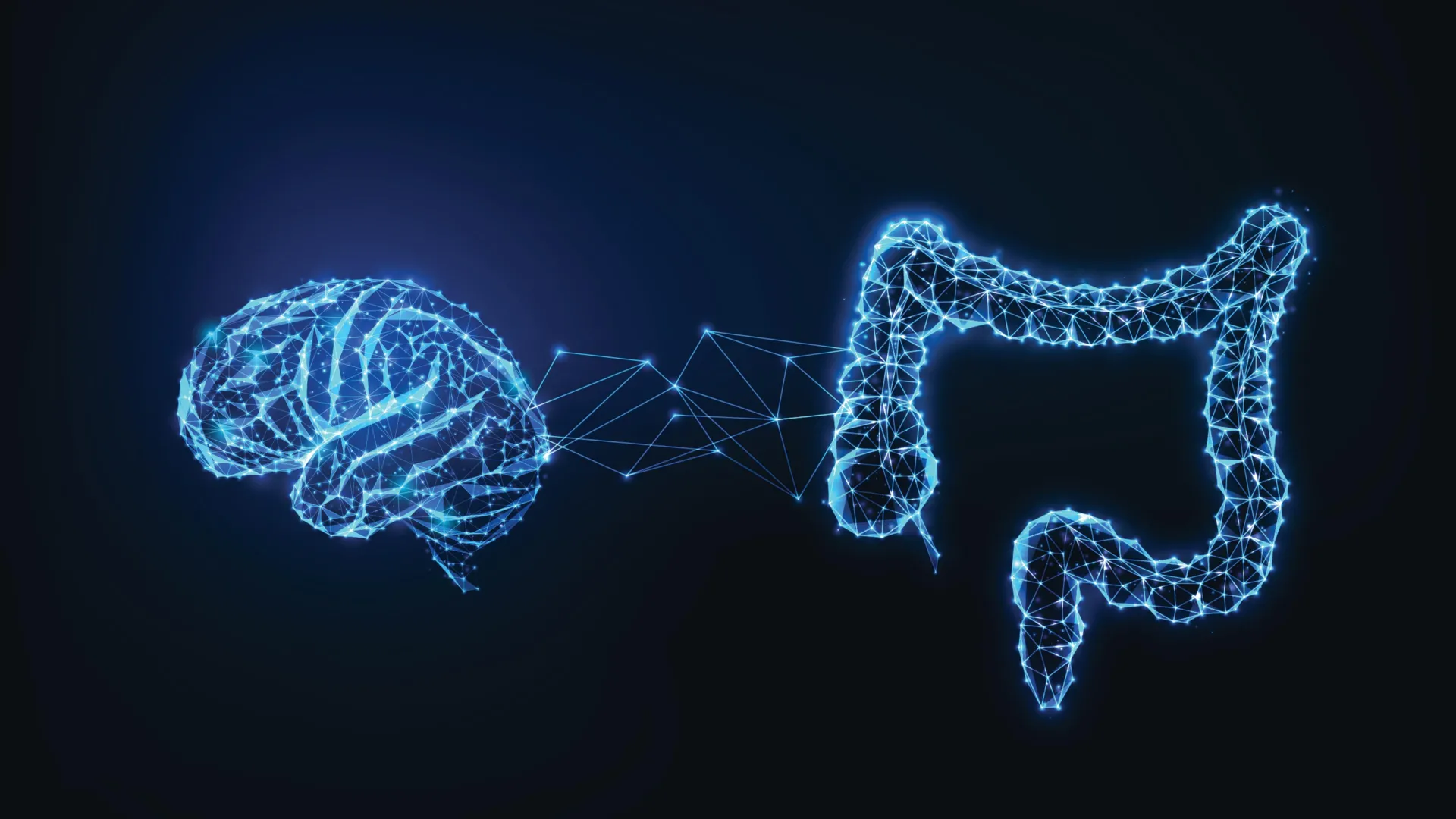
The tantalizing aroma of freshly baked madeleines, famously evoking a flood of childhood recollections for French literary giant Marcel Proust, may represent a far more intricate biological process than previously understood. Emerging research from the University of Southern California (USC) suggests that the intricate dance between our digestive system and brain plays a pivotal role in how and what food-related experiences we commit to memory, potentially extending beyond the neural pathways alone. This groundbreaking study, published in the esteemed journal Nature Communications, illuminates a fascinating communication network that could redefine our understanding of memory formation and its implications for cognitive health.
The Vagus Nerve: A Highway of Information Between Gut and Brain
At the heart of this discovery lies the vagus nerve, a vital component of the autonomic nervous system that acts as a primary communication conduit between the digestive tract and the brain. While its established roles in regulating digestion, appetite, and satiety are well-documented, the USC study, spearheaded by Professor Scott Kanoski of the Department of Biological Sciences at the USC Dornsife College of Letters, Arts and Sciences, presents compelling evidence that this nerve also serves as a critical messenger in the encoding of memories, particularly those associated with the discovery and consumption of food.
The research team meticulously investigated the vagus nerve’s influence through a series of sophisticated experiments conducted with laboratory rats. Their findings revealed a direct correlation between the intake of nutrient-rich foods and an increased release of acetylcholine, a crucial neurotransmitter, within neurons connected to the hippocampus. The hippocampus, a region of the brain renowned for its central role in learning and memory consolidation, appears to leverage these acetylcholine surges to effectively record new information and solidify memories.
Crucially, this surge in acetylcholine was contingent upon the transmission of signals originating from the gut and traveling along the vagus nerve. To confirm this dependency, researchers experimentally disrupted the communication pathways of the vagus nerve in a subset of the rats. Following this intervention, the animals no longer exhibited the characteristic rise in acetylcholine levels after consuming food. More significantly, these rats demonstrated a marked impairment in their ability to recall the locations where they had recently found food, underscoring the vagus nerve’s integral role in forming these specific types of memories.
Beyond Flavor: The Primacy of Nutritional Value in Memory Encoding
A key revelation from the study challenges the long-held assumption that the sweetness or palatability of food is the primary driver of its memorability. The experiments demonstrated that the brain’s memory system responded more robustly to the actual nutritional content of the food rather than its sensory appeal. Rats that consumed foods rich in essential nutrients like sugar and fat exhibited heightened activity in brain pathways associated with memory formation. In stark contrast, animals presented with low-calorie or non-caloric liquids that mimicked sweet tastes did not elicit the same level of memory-related brain response.
This distinction is critical. It suggests that the brain possesses a sophisticated mechanism to differentiate between mere flavor and genuine nutritional value. A sweet taste, while appealing, was insufficient on its own to activate the neural circuitry essential for memory encoding.
Logan Lauer, a doctoral student in Professor Kanoski’s lab and the lead author of the study, elaborated on this evolutionary perspective. "We believe this mechanism likely evolved to help animals remember vital information about food sources," Lauer stated. "Recalling where certain plants sprout first in the spring can help hungry animals find important nutrients. Signals from the gut tell the brain, ‘This meal provided valuable nutrients, so remember where and how you got it.’" This perspective highlights how, for survival in the wild, remembering the location of a dependable and nutrient-dense food source is paramount. A meal that delivers substantial energy or essential vitamins and minerals may trigger the gut to dispatch a powerful signal, prompting the brain to meticulously store details about its acquisition.
The Long-Term Impact of Dietary Habits on Memory Pathways
While nutrient-rich foods like sugar and fat initially stimulated strong short-term memory responses, the study’s findings took a more sobering turn when examining the effects of prolonged exposure to unhealthy diets. Rats that were fed high-fat and high-sugar diets from an early age exhibited a notable weakening of the communication link between their gut and hippocampus over time. This disruption was not transient; their memory-related brain responses remained suppressed even after they were transitioned back to a healthier diet.
Furthermore, these animals displayed a diminished capacity in tasks requiring them to remember food locations. This outcome strongly suggests that chronic consumption of unhealthy foods can actively interfere with the very gut-to-brain system that initially facilitates the recording of food-related memories. This insight carries significant implications for understanding the long-term consequences of dietary choices on cognitive function.
Broader Implications for Cognitive Health and Neurodegenerative Diseases
The implications of these findings extend far beyond the realm of basic memory research, potentially offering crucial insights into human health, particularly concerning the growing epidemic of obesity and its association with cognitive decline. Poor nutrition and metabolic disorders such as diabetes have already been firmly linked to an elevated risk of cognitive impairment. This new research provides a potential biological explanation for this correlation, positing that repeated exposure to unhealthy foods may gradually degrade or disrupt the intricate communication network between the gut and the brain, thereby hindering the optimal functioning of the memory system.
The research could also shed light on the underlying mechanisms of neurodegenerative diseases. "The disruption of acetylcholine signaling in the hippocampus is one of the earliest neurochemical changes observed in Alzheimer’s disease," Professor Kanoski noted. "By revealing that this system is boosted by gut signaling from the vagus nerve, novel therapeutic targets could leverage this information to explore vagus nerve-based approaches, such as vagus nerve stimulation." This opens up exciting avenues for future therapeutic interventions aimed at bolstering memory and cognitive resilience.
Novel Avenues for Memory Enhancement and Therapeutic Development
The groundbreaking discovery inherently raises the prospect of developing novel therapeutic strategies focused on fortifying the communication channels between the digestive system and the brain. Interventions designed to stimulate the vagus nerve or to enhance overall gut health could, in the future, be explored as potent means to support memory function and preserve cognitive well-being. Vagus nerve stimulation, an established technique already under investigation for a range of neurological and psychiatric conditions, may find a new and significant application in the realm of memory enhancement.
While the researchers emphasize that further investigation is necessary to ascertain whether these findings directly translate to humans, the current evidence provides a robust foundation for the understanding that the gut and brain are far more interconnected than previously imagined. This symbiotic relationship, once relegated to the background of biological processes, is now emerging as a central player in shaping our cognitive landscape.
The study, a collaborative effort involving researchers from USC Dornsife, Bucknell University, and Université de Montréal, was supported by grants from the National Institute of Diabetes and Digestive and Kidney Diseases, the National Institute on Aging, the Quebec Research Funds, and the Alzheimer’s Association. This multidisciplinary support underscores the significance and broad potential impact of this pivotal research. The implications are far-reaching, suggesting that the choices we make about what we eat could have a profound and lasting effect on our ability to remember, learn, and maintain cognitive vitality throughout our lives. The symphony of signals between our gut and brain is proving to be a fundamental conductor of our most cherished memories, and understanding its nuances offers a promising path towards safeguarding our cognitive future.

0 Comments