
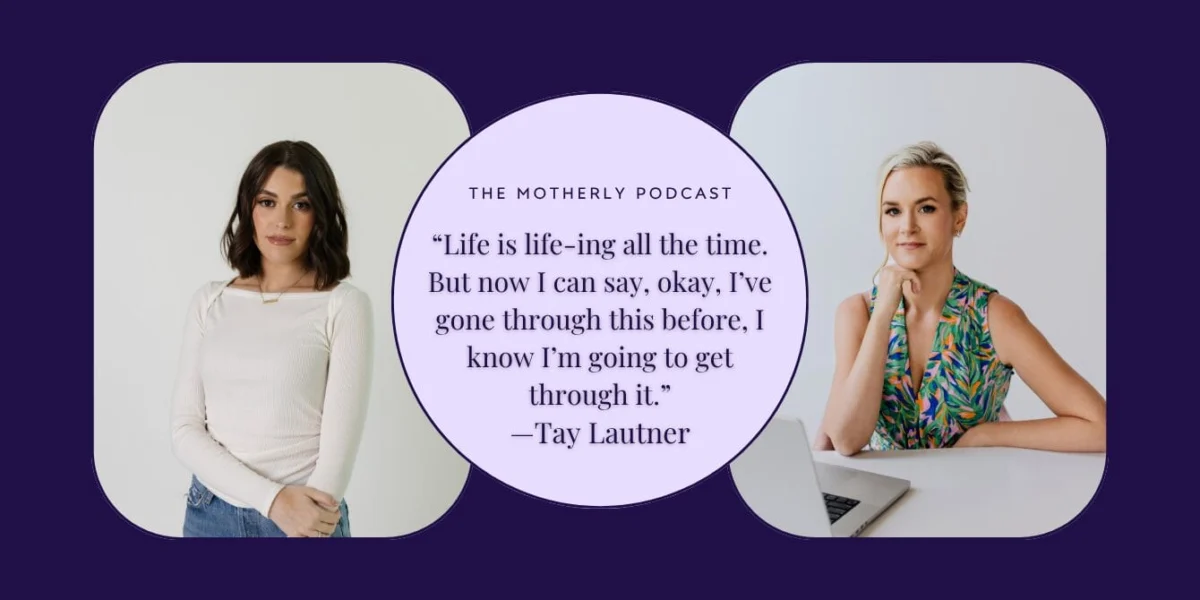
Tay Lautner, a registered nurse turned influential mental health advocate, is on the cusp of a profound life transition: becoming a mother for the first time. This pivotal moment prompts reflection on her remarkable trajectory, from the demanding frontlines of a COVID-19 intensive care unit to establishing herself as a candid voice in the mental health space, fostering a community built on vulnerability and resilience. Her journey, marked by personal struggle and a subsequent PTSD diagnosis, has equipped her with a robust self-care toolkit, which she now prepares to deploy in the challenging yet rewarding realm of new parenthood. In a recent conversation on The Motherly Podcast, Lautner delved into the realities of her unexpected first trimester, the circumstances that led her away from bedside nursing, and the powerful message she hopes to impart to her forthcoming daughter through her work.
From Dance Major to Dedicated Nurse: A Rapid Entry into Healthcare’s Crucible
Lautner’s initial academic pursuits were rooted in dance, a passion that defined her early years. However, a nascent interest in science and human anatomy, coupled with volunteer experiences in hospitals, gradually steered her towards nursing. "It was something that felt like it was always there, and I didn’t realize I had a love for it," Lautner explained, recalling the unexpected fulfillment she found in her nursing studies, achieving academic excellence and graduating with honors. Her timing, however, placed her directly into an unprecedented global crisis. After passing her NCLEX in February 2020, just as the world began to grapple with the emerging COVID-19 pandemic, Lautner secured a position as a telemetry nurse on a cardiac floor. By December 2020, her unit, like countless others across the globe, was converted to a dedicated COVID-19 care facility, plunging her into the heart of the pandemic’s second, overwhelming wave.
The period as a COVID-19 nurse, lasting four to five months, was an experience for which no amount of training could have adequately prepared her. Lautner entered the fray during a surge of patients, often working "out of ratio"—a term referring to nurses caring for more patients than safely recommended—amidst an ongoing flu season. "It was definitely something I was not prepared for, and I don’t think most were, because you can’t really prepare for a global pandemic," she recounted, describing the experience as a "whirlwind." This era saw healthcare systems worldwide stretched to their breaking point, with nurses enduring immense physical and psychological strain. Reports from organizations like the American Nurses Association (ANA) and various academic studies have since highlighted the staggering rates of burnout, moral injury, anxiety, and depression among frontline healthcare workers during this period, with many nurses reporting symptoms consistent with post-traumatic stress disorder. Lautner’s personal account echoes the collective trauma experienced by an entire profession, thrust into an environment of high mortality, resource scarcity, and profound emotional toll.
The Inevitable Pivot: Burnout, Illness, and the Path to Healing
Despite the mounting pressures, Lautner, driven by a "dancer mentality" of perseverance and toughness, initially resisted acknowledging the depth of her struggle. It took the observant concern of her husband, Taylor, who noted her being "a little checked out," to prompt her initial introspection. The decisive turning point, however, arrived unexpectedly in the form of illness. Lautner contracted COVID-19 not from her workplace, but from the wider community, leading to a severe case of long COVID that incapacitated her for months. Forced onto disability leave, she found herself unable to perform even simple daily tasks without extreme fatigue. "It took being removed from the environment and being still and not being able to distract myself," she reflected. This forced pause, away from the relentless demands of the hospital, allowed her to confront the psychological toll she had endured. She ultimately left her nursing position in September 2021, and her subsequent diagnoses of PTSD, depression, and anxiety validated the profound impact of her frontline experience. She expressed gratitude for her illness, acknowledging that without it, her stubbornness might have prolonged her exposure to a harmful environment. This narrative underscores a critical challenge for healthcare professionals: the difficulty of self-assessment and self-preservation while immersed in a traumatic setting, often compounded by a culture of self-sacrifice inherent in the profession.
Her journey of healing was intensive and multifaceted. Therapy played a crucial role, helping her to acknowledge and process the trauma she had minimized. "My therapist had to tell me that what I went through actually is not okay, and that no one should be going through it, let alone someone my age," Lautner shared, highlighting the common tendency to normalize extreme experiences. Lacking a pre-existing "toolbox" of coping mechanisms for such profound struggle, she diligently began constructing one. Her current self-care regimen includes consistent therapy sessions (monthly check-ins even when things are stable), regular journaling, and dedicated quiet time each morning. This proactive approach to mental well-being, she emphasizes, does not eliminate life’s challenges but equips her to navigate them with greater resilience and a sense of agency.
Founding "Lemons" and Amplifying Voices with "The Squeeze"
The profound personal transformation sparked by her burnout and recovery became the bedrock of her subsequent career pivot. In 2022, Lautner founded The Lemons Foundation, a non-profit organization dedicated to dismantling the stigma surrounding mental health. This initiative grew out of her personal platform, "Lemons by Tay," which began as a blog. The name "Lemons" itself is a poignant reflection of her experience: "At that time in my life it really felt like life was chucking lemons at me. It wasn’t handing me one, it was throwing thousands," she explained, evoking the idiom of turning adversity into opportunity. Her work emphasizes community, human connection, and open dialogue as essential components of mental wellness.
Building on the success of her individual advocacy, Lautner co-launched "The Squeeze" podcast with her husband, Taylor Lautner, in 2023. The podcast uniquely explores mental health from "inside the spotlight," addressing the common misconception that fame or fortune insulates individuals from mental health struggles. Lautner observed a widespread surprise when people realized that "famous people dealt with mental health struggles." Through "The Squeeze," she aims to demystify mental health challenges, demonstrating that they transcend socio-economic status, profession, or public profile. This initiative directly contributes to the broader societal movement towards destigmatizing mental illness, fostering empathy and understanding by showcasing shared human experiences. The collaborative nature of "The Squeeze" also highlights the strength of a partnership built on mutual support and creative synergy, allowing the couple to leverage their individual experiences and talents to create impactful content. Their ability to openly discuss their respective mental health journeys has strengthened their bond and provided a relatable model for listeners.
Navigating Pregnancy: Unsolicited Advice and Unforeseen Challenges
As Lautner prepares for motherhood, her mental health toolkit is being put to its ultimate test. Pregnancy itself has presented a new set of unexpected challenges. While popular discourse often focuses on morning sickness and swelling, Lautner was particularly surprised by the "layers" of body changes and emotional shifts during her first trimester, a period she feels is often underrepresented in public conversations about pregnancy. "None of us were prepared for the first trimester to be what it was," she noted, highlighting a common gap in prenatal education and open dialogue among women. This observation aligns with increasing awareness of perinatal mental health, where conditions like anxiety and depression can manifest early in pregnancy, often compounded by physical discomfort and hormonal fluctuations.
Another significant aspect of pregnancy, Lautner has found, is the influx of unsolicited advice. While she maintains a generally laid-back approach, acknowledging that "every mom and baby is different," certain comments can be jarring. The frequent admonition that "It goes by so fast. You’re going to blink and your kid is going to be in high school" is one she finds particularly unhelpful at this nascent stage of her journey, preferring to focus on the present. This experience resonates with countless expectant and new parents who navigate a deluge of well-intentioned but often overwhelming or contradictory counsel, underscoring the importance of selective listening and trusting one’s own instincts.
Maintaining Self-Care as a New Mother: A Commitment to Leading by Example
The prospect of balancing self-care with the demands of new motherhood is a central theme for Lautner. She acknowledges that her established routines will require "rewiring" and "rearranging" to prioritize her baby while still carving out essential moments for herself. Her commitment, however, remains firm. "It’s about putting my baby first and still finding the time to check in with myself, to have a few minutes of quiet," she affirmed. This proactive approach is crucial, as studies consistently show that maternal mental health directly impacts infant well-being and family dynamics. The World Health Organization (WHO) and other health bodies emphasize the importance of maternal self-care for both the mother’s and child’s health outcomes.
Beyond personal benefit, Lautner views her self-care practices as a powerful form of modeling for her daughter. "I also want my kids to see me taking that time for myself. How are they going to learn to do that if I’m not leading by example?" she articulated. This perspective underscores a broader implication of her advocacy: the intergenerational impact of mental health awareness and self-care. By demonstrating resilience and prioritizing her well-being, Lautner aims to equip her daughter with the tools and understanding to navigate her own mental health journey.
Looking ahead, Lautner is preparing for the newborn stage by absorbing information from trusted friends and resources, recognizing that practical experience will be key. Her previous experience as a nanny, caring for a young girl from eight months to four years old, provides a foundation, yet she acknowledges the unique challenges of infant care. When she first learned she was expecting a girl, one of her immediate thoughts was her excitement for her daughter "to see me work." Drawing inspiration from her own hardworking mother, Lautner hopes to instill in her daughter the belief that she can "achieve whatever she wants" and "dream big." This aspiration reflects a powerful commitment to empowering future generations through visible hard work, resilience, and an open approach to life’s challenges, including mental health.
Tay Lautner’s journey from a frontline COVID-19 nurse to a prominent mental health advocate and soon-to-be mother embodies a compelling narrative of resilience, transformation, and purpose. Her willingness to openly share her struggles and triumphs provides invaluable insight into the pervasive impact of professional burnout, the critical importance of mental health advocacy, and the ongoing effort to destigmatize these vital conversations. As she steps into motherhood, Lautner continues to champion the message that prioritizing mental well-being is not a luxury, but a fundamental necessity for living a full and impactful life, setting an example for her family and a growing community of followers.

0 Comments