
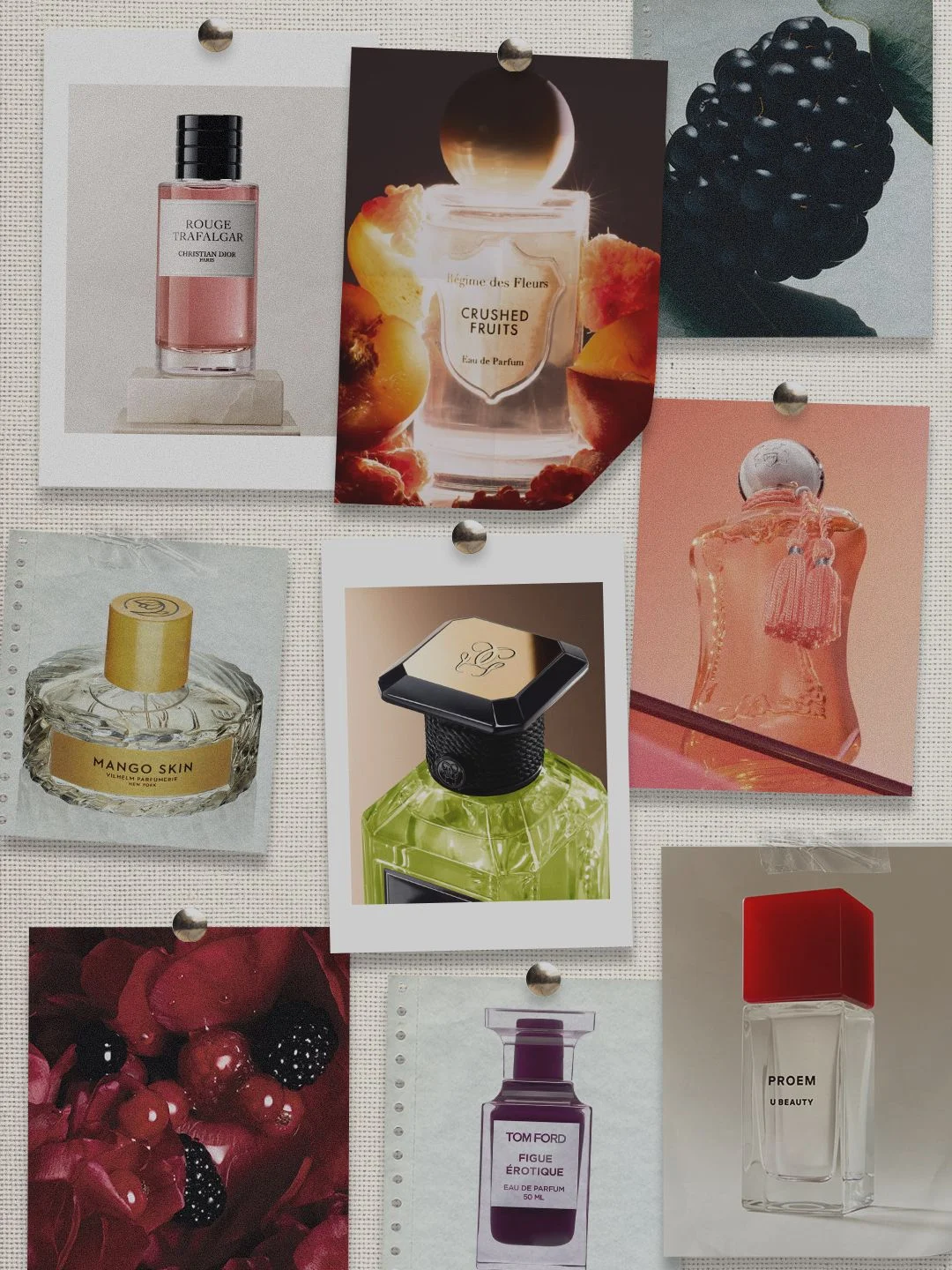
The global fragrance industry is currently witnessing a significant paradigm shift as fruity notes, once relegated to the realm of youthful, sugary body mists, undergo a sophisticated transformation. Historically, fruity scents were often associated with the mass-market trends of the late 1990s and early 2000s, characterized by synthetic, high-fructose profiles. However, recent market data and industry forecasts indicate that a "new generation" of fruity compositions is emerging, defined by complexity, realism, and a departure from traditional gourmand tropes. This evolution is repositioning fruit-based fragrances as a cornerstone of luxury perfumery, blending the vibrancy of nature with the structural depth of woody and earthy bases.
The 2026 Fragrance Forecast and Market Context
The resurgence of fruity notes is not an accidental occurrence but a calculated trend predicted by industry leaders. Earlier this year, Nordstrom beauty director Autumne West identified fruity notes as a primary fragrance trend for 2026, suggesting that their popularity is poised to reach unprecedented levels. According to West, the shift is driven by a fundamental change in how perfumers manipulate these notes. Rather than relying on the nostalgic, candy-like sweetness of previous decades, modern formulations emphasize "intentional and grown" profiles.
This trend aligns with broader market statistics. The global fragrance market, valued at approximately $50.85 billion in 2023, is projected to grow at a compound annual growth rate (CAGR) of 5.9% through 2030. Within this growth, the niche and luxury segments are expanding most rapidly. Consumers are increasingly seeking "photorealistic" scents—fragrances that capture the true, nuanced essence of a fruit, including its bitterness, tartness, and skin-like textures, rather than a stylized chemical approximation.
A Chronology of Modern Fruity Launches
The current year has served as a pivotal period for this olfactory movement. A series of high-profile launches from major fashion houses and niche artisanal brands has solidified the trend’s presence in the market.
In the first half of the year, YSL Beauty introduced a new iteration of its successful Libre line, incorporating a juicy raspberry twist to provide a tart counterpoint to the fragrance’s signature lavender and orange blossom. This was followed closely by Parfums de Marly’s debut of Athénaïs, a fragrance described as a "sparkling citrine" that utilizes citrus not merely as a fleeting top note but as a structural element.
Mid-year releases continued to diversify the category. Tom Ford launched Figue Érotique, a scent that explores the darker, more "vampy" side of fruit through fig notes, while the niche brand Liis released Flower Glyph, further expanding the boundaries of how fruity and floral notes can coexist without becoming overly saccharine. These launches demonstrate a clear timeline of industry-wide adoption, moving from experimental niche offerings to mainstream luxury staples.
Technical Composition: Beyond the Sugar
The "chic" nature of the new fruity generation lies in the tension between brightness and depth. Perfumers are increasingly utilizing "vampier" fruits—such as fig, plum, and blackberry—which offer a natural muskiness and weight. This is often achieved through a specific structural approach:
- Tartness and Bitterness: The inclusion of rhubarb, blackcurrant, and citrus rinds to provide a sharp, sophisticated opening.
- Earthy Integration: Pairing fruit with vetiver, patchouli, or sandalwood to ground the sweetness.
- Milky Textures: Using lactonic notes to simulate the creaminess of fruit flesh, as seen in the "milky" fragrance sub-trend.
This technical evolution allows fruity perfumes to offer high sillage and longevity, traits that were often missing from the volatile fruit-scented waters of the past.
Detailed Analysis of Industry Standouts
The following fragrances represent the leading edge of this trend, categorized by their specific olfactory contributions to the "grown-up" fruity movement.
The Berry-Floral Evolution: Dior La Collection Privée Rouge Trafalgar
As part of Dior’s high-end "Collection Privée," Rouge Trafalgar serves as a benchmark for the sophisticated berry profile. It eschews the "jammy" sweetness typically associated with red fruits, opting instead for a crisp, slightly acidic execution. This reflects a broader trend within LVMH-owned houses to elevate common ingredients through superior sourcing and minimalist composition.
The New Citrus: Parfums de Marly Athénaïs
Citrus has traditionally been used for its volatility and freshness. However, Parfums de Marly’s Athénaïs reimagines citrus as a "sparkling citrine," suggesting a gem-like, multifaceted quality. This fragrance exemplifies the shift toward citrus scents that maintain their presence throughout the wear-time, rather than evaporating within the first thirty minutes.
Green and Fresh Intersections: Guerlain Vétiver Fauve
Guerlain, a house with nearly two centuries of history, has integrated fruity nuances into its "L’Art & La Matière" collection. Vétiver Fauve demonstrates how the "fresh and green" category can be enriched with fruit to create a feral, yet refined, olfactory experience. It highlights the industry’s move toward gender-neutral, nature-inspired compositions.
The Seductive Fig: Tom Ford Figue Érotique
Fig has become the premier fruit note for those seeking a "sultry" or "moody" profile. Unlike berries, fig offers a green, woody, and slightly milky aroma. Tom Ford’s entry into this space underscores the commercial viability of "vampy" fruit notes that appeal to an adult demographic.
Innovative Textures: Miu Miu Fleur de Lait
The "milky" or lactonic trend in perfumery has found a natural partner in fruit. Miu Miu’s Fleur de Lait utilizes mango and coconut notes not for a tropical effect, but to create a refined, "skin-scent" quality. This reflects a growing consumer interest in "comfort scents" that feel intimate and sophisticated.
Sourcing and Sustainability: The Role of "Upcycled" Fruit
A critical, albeit less discussed, factor in the rise of high-end fruity perfumes is the advancement in ingredient technology. Many modern fruity notes are derived from "upcycled" materials. In partnership with the food and juice industries, fragrance houses like IFF, Givaudan, and Firmenich are extracting aromatic molecules from fruit waste—such as apple pulps, citrus peels, and raspberry seeds.
This not only aligns with the luxury sector’s increasing focus on sustainability but also results in "extractions" that smell more like the actual fruit than traditional synthetic aldehydes. This technological leap has provided perfumers with a new palette of "photorealistic" ingredients that were previously unavailable, directly enabling the creation of the "chic" fruity scents currently dominating the market.
Broader Impact and Industry Implications
The transition of fruity scents from "juvenile" to "sophisticated" has broader implications for fragrance marketing and consumer behavior.
Gender Neutrality: The new generation of fruity perfumes is increasingly marketed as gender-neutral. By pairing fruit with vetiver, smoke, and resins, brands are successfully decoupling fruity notes from their traditional "feminine" associations. This expands the target demographic and aligns with the modern consumer’s preference for gender-fluid beauty products.
The "Dopamine Scenting" Trend: Following the "dopamine dressing" movement in fashion, consumers are using fruity fragrances as a means of mood elevation. The inherent brightness of fruit notes provides an immediate psychological "lift," while the added depth of woods and spices ensures the scent feels appropriate for professional and formal environments.
Social Media Influence: Platforms like TikTok (specifically "FragranceTok") have played a vital role in the rehabilitation of the fruity category. Influencers and collectors have championed niche fruity scents, moving the conversation away from "smelling like candy" toward "smelling like an Italian orchard" or "a moody vineyard."
Conclusion
The evidence from 2024 and 2025 fragrance launches confirms that the fruity category has successfully shed its reputation for being overly simplistic or immature. Through a combination of innovative sourcing, sophisticated structural balancing, and a focus on realism, perfumers have reclaimed fruit as a versatile and luxury-grade ingredient. As we move toward 2026, the "New Generation" of fruity perfumes is set to remain a dominant force, offering a compelling tension between natural brightness and artisanal depth that resonates with a more discerning global audience.

0 Comments