
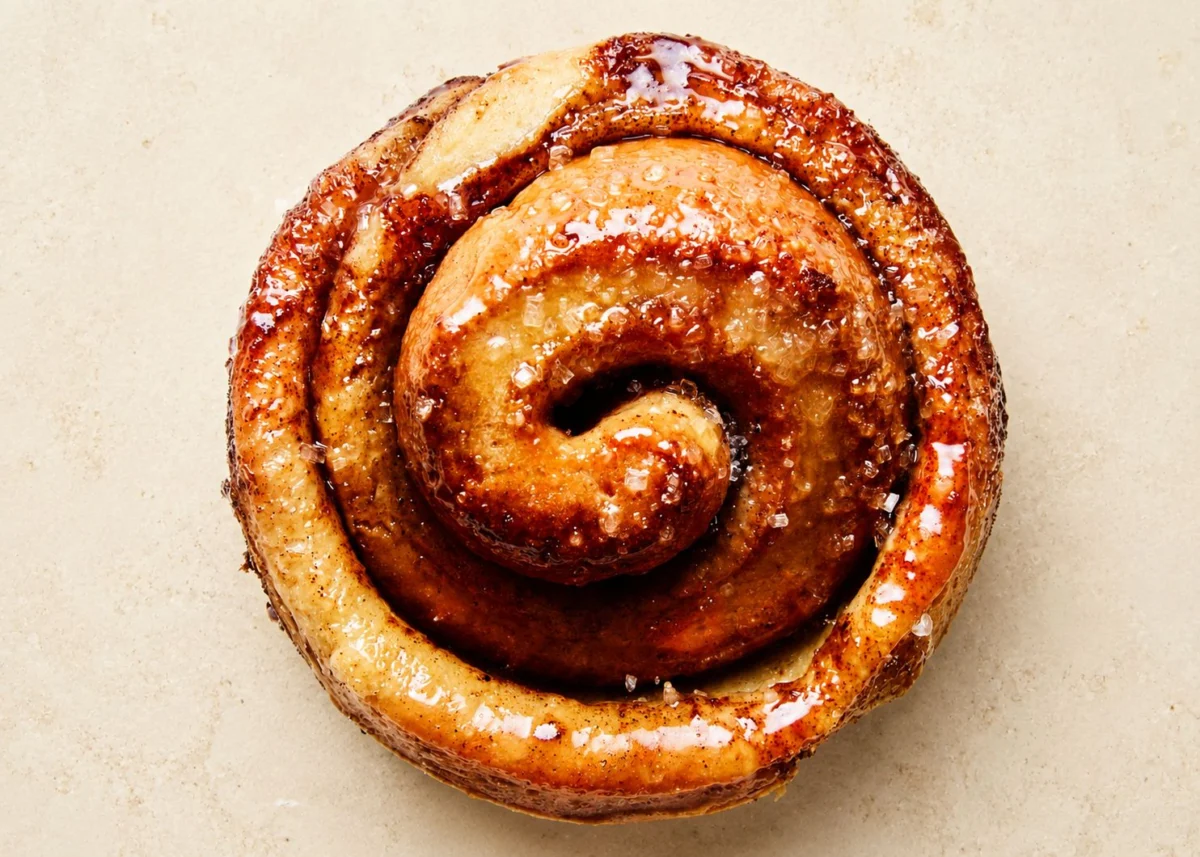
Renowned cookbook author and former Bon Appétit staffer Claire Saffitz has unveiled a recipe for morning buns that promises to elevate weekend breakfasts and holiday brunches. Described by Saffitz herself as "the more sophisticated cousin of the sticky bun," these pastries feature tender, buttery swirls of dough complemented by crisp, caramelized edges. A rich honey-cinnamon filling, infused with fragrant spices and bright citrus zest, is crowned with a crackly sugar topping, creating a delightful interplay of textures and flavors. This recipe diverges from many bakery-style morning buns, which often rely on labor-intensive laminated doughs, opting instead for an enriched yeast dough that Saffitz asserts is "surprisingly easy to pull together at home." This accessible approach democratizes the creation of a gourmet breakfast treat, making it achievable for home bakers seeking to impress.
The foundation of Saffitz’s morning buns lies in a meticulously crafted enriched yeast dough. The process begins with a simple sponge, also known as a preferment. This initial stage allows the yeast ample time to develop a deeper, more complex flavor profile before the remaining ingredients are incorporated. The choice of flours is equally deliberate: bread flour is utilized to provide essential structure and a satisfying chew, while a touch of whole wheat flour introduces a subtle, earthy nuttiness that adds depth to the overall taste. This thoughtful combination of ingredients contributes to a dough that is both yielding and robust, capable of holding its intricate shape throughout the baking process.
The heart of the morning bun’s appeal is its filling, a harmonious blend of brown sugar and honey. The brown sugar contributes rich, caramel notes that evoke a sense of comforting indulgence. Simultaneously, the honey offers a lighter, more floral sweetness, a counterpoint that elegantly complements the other aromatic components. These sweeteners are expertly paired with a vibrant medley of spices, including warm cinnamon and the distinctive, slightly pungent notes of cardamom. The addition of orange zest provides a crucial burst of citrus brightness, cutting through the richness and adding a refreshing complexity that prevents the pastry from becoming overly sweet or heavy. This carefully balanced flavor profile is a hallmark of Saffitz’s culinary philosophy, which emphasizes depth and nuance in every bite.
A key element of Saffitz’s strategy for these morning buns is the emphasis on advance preparation, allowing for a more relaxed baking experience. "These are called morning buns," Saffitz explains, "You want to eat them in the morning—so, all of this work you do the night before." This foresight is crucial for achieving the desired texture and flavor. After the dough has been prepared and allowed to undergo its overnight rest in the refrigerator, it is ready for the subsequent stages of shaping and baking. This overnight chill not only aids in flavor development but also makes the dough easier to handle and roll out, a critical step for achieving the characteristic swirls.
The subsequent steps involve rolling the chilled dough, generously spreading the flavorful filling, and then meticulously slicing the dough into individual portions. These portions are then nestled into muffin tins. This specific baking method is integral to the final presentation and texture of the morning buns. The individual cups of the muffin tin serve a dual purpose: they help the buns maintain their dramatic, spiraled form as they bake, and they ingeniously catch any of the bubbling filling that might escape. This captured butter and sugar mixture caramelizes at the bottom of each cup, creating the signature crisp, sticky edges and intensely flavorful base that is a defining characteristic of these pastries. The visual appeal of the dramatic spirals, enhanced by the glistening caramelized bottom, makes them a feast for the eyes as well as the palate.
Morning Buns vs. Cinnamon Rolls: A Detailed Comparison
The distinction between morning buns and their more widely known cousin, the cinnamon roll, is significant, impacting both their preparation and their final characteristics. Many bakery-style morning buns are crafted using a laminated dough, a technique that involves repeatedly folding and rolling dough with butter, similar to the process used for croissants and Danish pastries. This results in numerous thin layers of dough and butter that puff up during baking, creating a flaky and airy texture. In contrast, Claire Saffitz’s recipe for morning buns employs an enriched yeast dough. This type of dough, while also leavened with yeast and often enriched with eggs and fat, does not undergo the complex lamination process. Instead, it offers a tender, slightly chewy, and more cake-like crumb, which is easier for home bakers to manage.
The flavor profiles also diverge. Morning buns, as exemplified by Saffitz’s recipe, often feature a filling that is citrus-forward, with orange zest being a prominent ingredient. This brightness is typically accompanied by a blend of warm spices such as cinnamon, cardamom, and sometimes nutmeg. The aim is a complex interplay of sweet, spiced, and zesty notes. Cinnamon rolls, on the other hand, typically have a more streamlined filling, primarily centered around cinnamon and sugar, with the focus often being on the richness of the dough and a creamy frosting.
The method of baking further differentiates these two beloved pastries. Cinnamon rolls are traditionally arranged and baked together in a single dish, such as a cake pan or casserole dish. This close proximity allows them to meld together during baking, creating a communal, pull-apart experience with soft, doughy sides. Morning buns, however, are baked in individual molds, most commonly muffin tins. This individual baking process ensures that each bun develops its own distinct spiral and allows the filling to caramelize independently on the edges and bottom of each cup. This technique is crucial for achieving the signature crisp, sticky texture that is so desirable in a morning bun. Furthermore, while cinnamon rolls are almost universally finished with a generous layer of frosting, morning buns typically forgo this for a lighter glaze or simply a dusting of sugar, allowing the intricate flavors of the dough and filling to shine through without being overwhelmed.

The Science and Art of Baking Morning Buns in Muffin Tins
The deliberate choice to bake morning buns in muffin tins is not merely an aesthetic decision; it is a functional one that significantly contributes to the pastry’s distinctive character. The individual cups of a muffin tin provide a contained environment for the buns to rise and bake. As the butter and sugar filling melts and bubbles during the high heat of the oven, the muffin tin acts as a barrier, catching these delicious, caramelized drippings. This molten mixture pools at the bottom of each cup, directly interacting with the dough. As the baking progresses, this sugary liquid transforms into a deeply golden, intensely flavorful, and delightfully crisp layer that adheres to the bottom of the bun. This creates the coveted "sticky bottom" that is a hallmark of a well-made morning bun. Moreover, the confines of the muffin tin help the buns maintain their elegant spiral shape, preventing them from spreading too much and losing their architectural appeal. The direct contact with the hot metal of the tin also promotes all-over browning, contributing to the overall crispness and complexity of the pastry’s exterior.
Indicators of Readiness: When Morning Buns Emerge from the Oven
Determining the precise moment when morning buns are perfectly baked is a skill honed through practice and understanding the subtle cues the dough provides. After the shaped buns have undergone their final proofing stage, a gentle test can be performed to gauge their readiness for the oven. Saffitz advises to "gently poke the side of one." The dough should spring back, indicating that it has developed sufficient structure and is ready to bake. However, if the indentation made by your finger remains without filling back in, it suggests that the dough is over-proofed and may not achieve the desired rise in the oven. Conversely, if the dough springs back too quickly and completely fills the indentation, it may require a bit more proofing time.
Working with the dough while it is still cold is paramount to preserving the distinct spirals of the morning bun. If the dough becomes too warm and pliable, the delicate layers can merge, diminishing the visual appeal and potentially affecting the texture. Saffitz offers a practical solution for this common challenge: if the dough becomes difficult to handle due to warmth, it can be returned to the refrigerator for 10 to 15 minutes, or placed in the freezer for approximately 10 minutes. This brief chilling period will firm up the dough, making it easier to work with and ensuring that the elegant spirals are maintained throughout the baking process. This attention to temperature control is a testament to Saffitz’s meticulous approach to recipe development, prioritizing both flavor and form.
The Glossy Finish: The Role of Honey-Butter Glaze
The application of a warm honey-butter glaze is a crucial step in achieving the visually appealing and texturally satisfying finish of these morning buns. This glaze serves multiple purposes. Firstly, it imparts a beautiful, glossy sheen to the surface of the baked buns, making them look irresistible. Secondly, the slight tackiness of the glaze acts as an adhesive, ensuring that the final sprinkle of sanding sugar adheres firmly to the pastry. This creates a delightful textural contrast—a crunchy topping that complements the tender interior. Beyond its aesthetic and functional roles, the honey-butter glaze also adds an extra layer of richness and buttery flavor to the buns. It further enhances the crisp, caramelized exterior by contributing to the development of a deeply golden hue and a delightful chewiness. This final touch elevates the morning bun from a simple baked good to a truly decadent treat, a testament to the power of well-executed finishing techniques in pastry.
Flour Selection: The Foundation of Texture and Flavor
The choice of flour in baking is fundamental to the final texture and structure of any baked good, and Saffitz’s morning bun recipe is no exception. While substituting flours is a common practice in home baking, Saffitz strongly recommends adhering to the specified combination of bread flour and whole wheat flour for optimal results. Bread flour is characterized by its high protein content, typically ranging from 12% to 14%. This elevated protein level is crucial for developing gluten, the elastic network that gives dough its structure and stretch. In the context of morning buns, the robust gluten network formed by bread flour contributes to a lofty, chewy crumb that can hold its shape and the weight of the rich filling.
Whole wheat flour, on the other hand, adds a different dimension. While it also contains gluten-forming proteins, its bran and germ components can interfere with gluten development to some extent. However, in moderate quantities, whole wheat flour contributes a subtle, nutty flavor that adds complexity to the overall taste profile of the bun. It also introduces a slightly denser texture compared to all-purpose flour, which can be desirable in enriched doughs.
All-purpose flour, with its lower protein content (typically 10% to 12%), would likely result in softer buns with less structural integrity. While it might still produce a palatable pastry, it would not achieve the same level of chewiness, loft, and structural definition that the combination of bread and whole wheat flours provides. The careful selection of flours in this recipe underscores Saffitz’s commitment to achieving a specific and superior texture, demonstrating that even seemingly small ingredient choices can have a profound impact on the final outcome.
Implications and Broader Impact
Claire Saffitz’s approach to morning buns reflects a broader trend in contemporary baking, one that emphasizes accessibility without compromising on quality or sophisticated flavor profiles. By deconstructing a seemingly complex pastry and presenting a recipe that is manageable for home bakers, Saffitz empowers individuals to recreate artisanal experiences in their own kitchens. This democratization of gourmet baking has significant implications. It can foster a greater appreciation for the craft of baking, encouraging more people to engage with the process of creating food from scratch. Furthermore, in an era where convenience often trumps quality, Saffitz’s recipe serves as a reminder of the rewards that come with investing time and effort into homemade treats. The ability to prepare these impressive pastries in advance also aligns with the modern lifestyle, where time is a precious commodity, allowing for moments of indulgence and celebration to be seamlessly integrated into busy schedules. The success and popularity of such recipes contribute to a vibrant home-baking community, fostering inspiration and shared culinary experiences.
Video Demonstration: Visualizing the Art of Morning Bun Creation
For those seeking a more visual understanding of Saffitz’s meticulous process, a video demonstration is available, allowing viewers to witness firsthand the techniques involved in creating these exceptional morning buns. This resource provides an invaluable opportunity to observe the subtle nuances of dough handling, filling application, and shaping that contribute to the final success of the pastry. Watching Saffitz herself guide the viewer through each step offers a deeper insight into her culinary philosophy and the practical application of her recipe. Such visual aids are increasingly important in modern recipe dissemination, bridging the gap between written instructions and the tactile experience of baking. They demystify potentially intimidating techniques and build confidence in home bakers, ultimately leading to more successful and enjoyable culinary endeavors.

0 Comments