
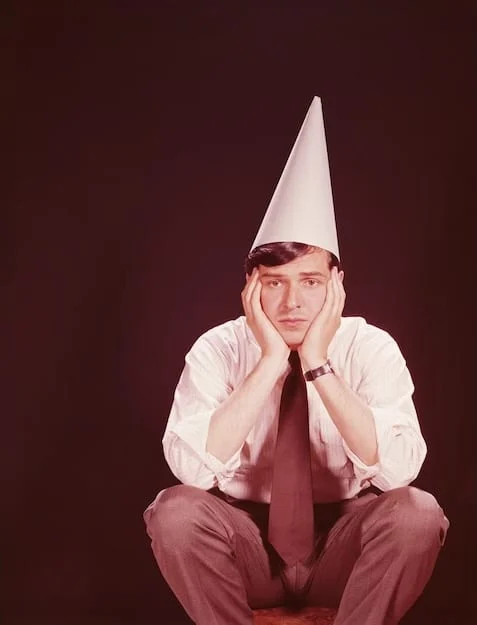
The stability of social groups and the longevity of platonic friendships are increasingly being analyzed through the lens of behavioral psychology, specifically regarding individuals who exhibit repetitive, socially abrasive traits. Often referred to in colloquial terms as "That Guy," these individuals represent a spectrum of behavioral archetypes that, while not necessarily malicious, consistently disrupt the harmony of their social circles. Sociologists and relationship experts suggest that these behaviors often stem from a lack of self-awareness or underlying psychological insecurities, leading to friction that can eventually result in social ostracization. By identifying these archetypes—ranging from the chronic competitor to the financial parasite—groups can better understand the mechanics of interpersonal conflict and implement strategies for behavioral correction and group preservation.
The Taxonomy of Social Disruption
The study of social archetypes reveals several distinct categories of behavior that contribute to group tension. These archetypes are characterized by their predictability and the specific type of strain they place on peer relationships.
The Chronic Competitor: Deflection and Denial
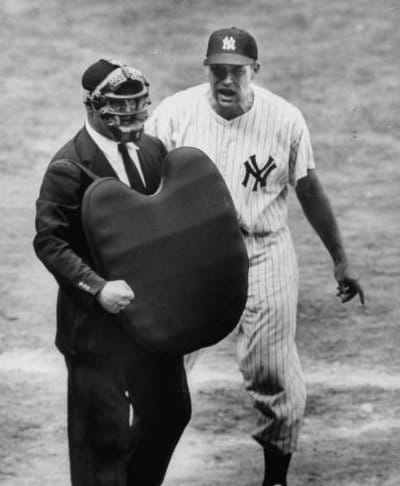
The archetype known as the "Poor Sport" represents a failure in emotional regulation during competitive activities. This individual is characterized by an inability to accept personal responsibility for failure, instead attributing losses to external factors such as faulty equipment, unfair officiating, or environmental conditions. In many cases, this behavior escalates to include "arithmetic errors" in scoring or the use of expletives to intimidate opponents.
Psychologically, this is often viewed as a defense mechanism to protect a fragile ego. When the individual loses, they perceive it as a direct threat to their status within the group. Consequently, they engage in externalization—blaming the tools or the rules—to maintain their self-image. For the social group, the presence of a chronic competitor turns leisure activities into sources of stress, often leading to the exclusion of that individual from future sporting or gaming events.
The Financial Parasite: Violations of Reciprocal Altruism
In the study of social exchange theory, relationships are often built on a foundation of reciprocal altruism—the idea that favors and resources will be exchanged somewhat equitably over time. The "Mooch" archetype represents a fundamental breakdown of this system. This individual consistently benefits from the resources of others—be it food, money, or housing—without providing any comparable contribution in return.
Common behaviors include "forgetting" a wallet during group outings, failing to repay borrowed funds, or consuming the final portions of shared resources without intent to replace them. Experts note that this behavior often signals a lack of ambition or a calculated reliance on the generosity of others. Over time, this creates a "resource drain" on the group, leading to resentment and a breakdown of trust.
The Reliability Deficit: The Impact of Punctuality and Commitment
The "Mr. Unreliable" archetype is defined by a consistent failure to honor commitments or adhere to schedules. This behavior manifests in two primary ways: chronic lateness and the "last-minute bail." By arriving late or canceling engagements via text message at the eleventh hour, the individual communicates a subconscious belief that their time is of higher value than that of the group.
This lack of reliability complicates group logistics, particularly when financial deposits or travel arrangements are involved. Sociologists argue that chronic unreliability is a form of passive-aggressive social maneuvering, allowing the individual to avoid the discomfort of saying "no" while simultaneously avoiding the effort required to show up.
The Superiority Complex: Social Status Seeking
The "One-Upper" is an archetype driven by a need for constant affirmation and attention. This individual responds to the successes or stories of others by presenting a narrative that is purportedly more impressive, more tragic, or more extreme. This behavior often involves name-dropping or exaggerated claims of prowess.
Interpersonal experts categorize this as a manifestation of deep-seated insecurity. By constantly positioning themselves as the "best" or the "strongest" in any given conversation, the One-Upper attempts to secure their position at the top of the social hierarchy. However, the result is typically the opposite; the behavior alienates peers who view the constant competition as exhausting and insincere.
The Pathological Fabulist: Erosion of Group Truth
Closely related to the One-Upper is the "Fibber," an individual who habitually stretches the truth or fabricates scenarios to make themselves appear more interesting or to avoid accountability. This archetype creates a "credibility gap" within the social circle. When a group can no longer rely on the word of one of its members, the foundation of the relationship is compromised.
A Chronology of Behavioral Identification
The identification of these archetypes is not a modern phenomenon, though the terminology has evolved. The history of categorizing social "nuisances" can be traced back through several centuries of literature and social observation.
- Ancient Greece (c. 319 BC): Theophrastus, a student of Aristotle, wrote The Characters, a series of sketches detailing various personality types such as "The Grumbler," "The Boastful Man," and "The Penurious Man." These early archetypes closely mirror the modern "Poor Sport," "One-Upper," and "Mooch."
- The 18th Century: Benjamin Franklin’s writings on virtue and humility addressed the "One-Upper" of his day, advising that a gentleman gains more respect through quiet competence than through boisterous self-promotion.
- The Late 20th Century: The rise of situational comedies, such as Seinfeld, popularized the "Mooch" (typified by the character Cosmo Kramer), bringing these archetypes into the mainstream cultural consciousness as objects of both humor and scrutiny.
- 2010: Steve Kamb, founder of Nerd Fitness, codified these archetypes in a widely circulated report for The Art of Manliness, providing a framework for modern men to assess their own social standing and correct abrasive behaviors.
Supporting Data: The Cost of Social Friction
Quantitative research into friendship and social dynamics suggests that "problematic" friends have a measurable impact on mental health and group longevity.
- Dunbar’s Number and Social Efficiency: Anthropologist Robin Dunbar proposed that humans can comfortably maintain only about 150 stable relationships. Within this limited "bandwidth," the presence of a "That Guy" creates a disproportionate amount of emotional labor, often leading groups to "prune" their social circles to maintain efficiency.
- The "Bad Apple" Effect: Research from the University of Washington found that having just one "difficult" person in a group can reduce the group’s overall performance by 30 to 40 percent. This applies to both social settings and workplace environments, as the group must divert energy toward managing the difficult individual’s behavior.
- Stress and Health: A study published in the journal Hormones and Behavior indicated that negative social interactions, particularly those involving unreliability or social exclusion, lead to increased levels of cortisol (the stress hormone) and can even impact cardiovascular health over long periods.
Professional Responses and Intervention Strategies
Psychologists and social consultants recommend a tiered approach to dealing with problematic archetypes. Rather than immediate exclusion, experts suggest a process of "social calibration."
Direct Intervention: For archetypes like the "Fibber" or the "Poor Sport," private, one-on-one conversations are recommended. Calling out behavior in public often triggers defensiveness, whereas a private discussion allows the individual to save face while acknowledging the issue.
Financial Boundary Setting: To manage the "Mooch," groups are encouraged to adopt strict "pay-up-front" policies. By requiring financial commitments before events occur, the group protects itself from the resource drain typical of this archetype.
Expectation Management: Dealing with "Mr. Unreliable" requires a shift in group expectations. Experts suggest planning events under the assumption that the individual will not attend. If they do appear, it is a positive surprise; if they do not, the group’s plans remain unaffected.
Self-Evolution Protocols: For individuals who recognize themselves within these archetypes, the "evolution" process involves a commitment to radical self-honesty. This includes practicing punctuality, settling debts within 24 hours, and intentionally stepping out of the spotlight to allow others to lead conversations.
Broader Impact and Implications
The persistence of these archetypes has broader implications for social cohesion in an increasingly digital world. The rise of social media has, in many ways, exacerbated the traits of the "One-Upper" and the "Fibber," as digital platforms provide a curated stage for self-promotion and the exaggeration of reality.
Furthermore, the "Mooch" archetype has evolved into the digital realm, with individuals "leeching" off shared subscriptions or digital resources without contribution. As social dynamics continue to shift toward hybrid physical-digital interactions, the need for a clear social contract becomes more pronounced.
The ultimate impact of "That Guy" is the erosion of the "Social Capital" within a group. Social capital—the value derived from positive social networks—relies on trust, reciprocity, and shared norms. When an individual consistently violates these norms, they don’t just annoy their friends; they actively diminish the collective well-being of the circle. Understanding these archetypes is therefore not just an exercise in social labeling, but a necessary component of maintaining healthy, functional, and supportive communities in the modern age. Professional consensus suggests that while everyone may occasionally exhibit these traits, the transition from "friend" to "That Guy" occurs when the behavior becomes a defining characteristic rather than an isolated incident. Recognition and correction remain the only viable paths for maintaining long-term social integration.

0 Comments