
The Spatial Challenge: Optimizing Modern Stateroom Real Estate
The average cruise ship cabin, or stateroom, typically ranges from 150 to 200 square feet for standard interior and balcony categories. While modern ship design has become increasingly efficient, the bathroom and vanity areas often remain congested, especially for multi-passenger bookings. To combat this, experienced cruisers utilize vertical space through the implementation of a hanging shoe organizer. While traditionally designed for footwear, these multi-pocketed tools serve as a central command center for small essentials. By repurposing the pockets for hairbrushes, sunscreen, dental care items, and first-aid supplies, travelers can maintain clear counter surfaces.
However, the use of such organizers requires a secondary essential: heavy-duty magnetic hooks. Most contemporary cruise ships are constructed with steel walls and doors. To maintain the integrity of the stateroom’s aesthetic and comply with cruise line policies—which strictly forbid the use of adhesive tapes or permanent fixtures that could damage paint—magnetic hooks are the preferred solution. These hooks allow for the suspension of organizers, wet swimwear, and daily itineraries without violating maintenance protocols.
The Power Paradox: Managing Connectivity and Safety Regulations
As cruise lines transition to digital-first experiences, where daily schedules, dinner reservations, and deck plans are managed via proprietary smartphone applications, the demand for power has never been higher. Yet, older vessels and even some newer builds are notorious for having a limited number of electrical outlets. The logistical solution is a foldable 3-in-1 charging station. These devices allow a passenger to charge a smartphone, smartwatch, and wireless earbuds simultaneously using a single outlet.

From a safety perspective, travelers must be cautious. The Safety of Life at Sea (SOLAS) international maritime treaty sets rigorous fire safety standards for vessels. Many cruise lines, including Carnival and Royal Caribbean, prohibit the use of household power strips with surge protectors, as they can interfere with the ship’s electrical systems and pose a fire risk. Professional travelers prioritize non-surge-protected, multi-port USB hubs or foldable stations that are compact for transit and compliant with onboard security screenings.
Environmental Adaptability: Personal Climate Control and Comfort
Cruising often involves traversing diverse microclimates, from the air-conditioned interior of the ship to the humid heat of the Caribbean or the brisk winds of the Alaskan fjords. To manage these fluctuations, two specific items have become indispensable: the handheld fan and the travel blanket.
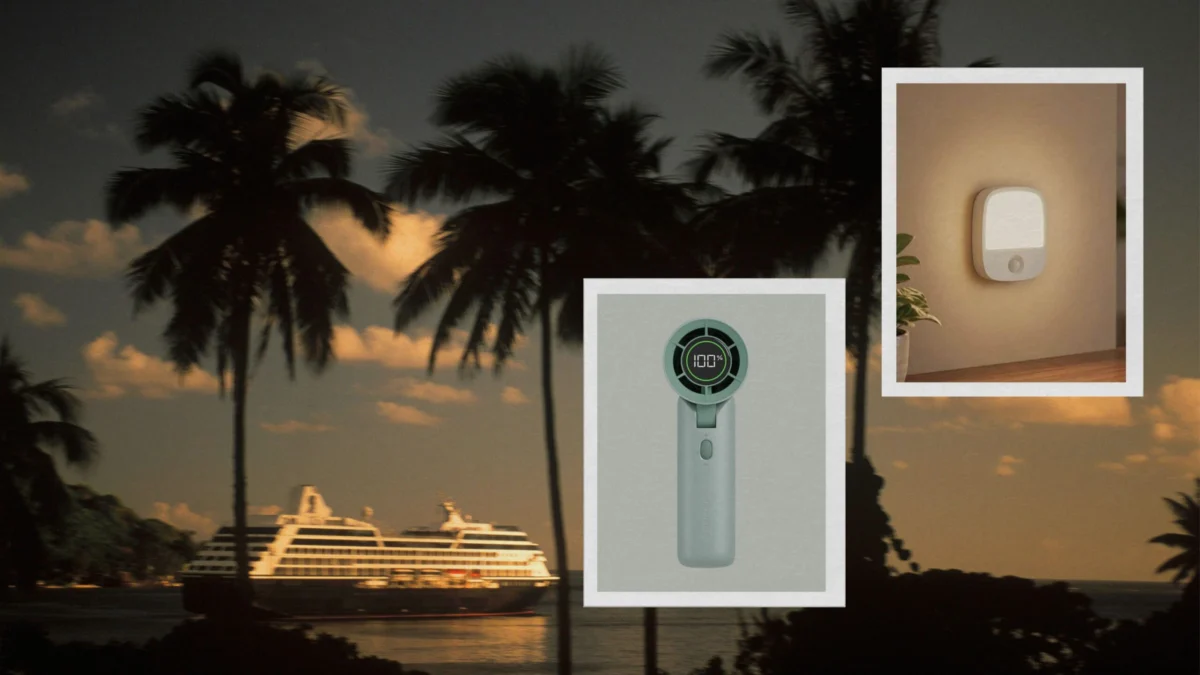
Portable fans, such as those produced by Blueair or Jisulife, provide a critical reprieve during shore excursions in tropical climates or while lounging on sun-exposed decks. Modern versions offer battery lives exceeding 30 hours and are rechargeable via USB-C, aligning with the universal charging standards of most mobile devices. Conversely, the interior of a ship can be deceptively cool. A high-quality travel blanket, like those from Rifle Paper Co. or EverSnug, offers comfort during periods of rest without requiring the passenger to disturb the formal bedding provided by the stateroom steward. This is particularly useful for travelers with children or those who enjoy spending early mornings on their private balconies.
Security and Accessibility During Shore Excursions
The logistical transition from ship to shore requires a different set of tools. A crossbody phone bag has emerged as a favorite among frequent sailors. Brands like Bandolier offer cases that keep the device accessible for photography and navigation while providing a secure slot for the "Key to the World" card—the multipurpose plastic card used for cabin entry, onboard purchases, and identification when re-boarding the ship.

For water-based excursions or beach days, the dry bag is a vital component of the maritime kit. These waterproof, reusable bags protect sensitive electronics such as e-readers and cameras from salt spray and sand. Furthermore, they serve a secondary purpose at the end of the day: separating damp swimwear from clean clothing within a day bag. This prevents moisture from seeping into other belongings, a common frustration for those participating in snorkeling or catamaran tours.
The Psychology of Order: Laundry and Cabin Maintenance
Maintaining a sense of order in a small cabin is essential for psychological well-being during a long voyage. The accumulation of dirty laundry can quickly overwhelm a stateroom. A collapsible mesh laundry hamper is the professional traveler’s solution. These hampers fold flat for packing and can be tucked away inside a closet once the suitcase is unpacked. By systematically transferring worn items into a dedicated hamper and eventually back into a suitcase, travelers avoid the "clutter creep" that often plagues less organized cabins.
On the pool deck, order is maintained through the use of towel bands. Standard beach towels frequently slip down the backs of plastic lounge chairs, especially when the ship is at sea and experiencing relative wind speeds of 15 to 25 knots. While many use large plastic clips, oversized rubber towel bands are more packable and equally effective at securing a towel to a chair.
Navigating the Night: Safety in the Stateroom
A fact often overlooked by first-time cruisers is the absolute darkness of an interior cabin or even a balcony room with blackout curtains drawn. Navigating an unfamiliar, compact space in the middle of the night can lead to injury. A magnetic, motion-sensing night light provides a subtle, non-disruptive glow for bathroom trips. This prevents the need to activate the main overhead lights, which are often harsh and can wake other occupants of the room.

A Chronology of Professional Cruise Preparation
To ensure a seamless experience, seasoned travelers follow a strict timeline of preparation:
- Three Months Out: Verify passport validity and research visa requirements for specific ports of call. Purchase any specialized equipment like dry bags or high-capacity charging stations.
- One Month Out: Finalize the "essentials" list. This is the time to acquire magnetic hooks and organizers if they are not already in the travel kit.
- Two Weeks Out: Test all electronic gear, including portable fans and charging hubs, to ensure battery health and functionality.
- One Week Out: Begin the packing process using a structured list. This allows time to identify missing items like towel bands or a travel blanket.
- Embarkation Day: Keep the crossbody phone bag and essential documents in a carry-on, as checked luggage may not arrive at the stateroom for several hours.
Analysis of the Broader Impact on the Travel Industry
The shift toward specialized cruise gear reflects a broader trend in the travel industry: the "premiumization" of the passenger experience. As travelers seek more control over their environment, they are willing to invest in high-quality, niche products that solve specific maritime problems. This has created a robust secondary market for travel accessories designed specifically for the constraints of ship life.
Furthermore, the emphasis on organization and efficiency aligns with the cruise lines’ own goals. By encouraging passengers to use compliant electronics and non-damaging organization tools, cruise lines can reduce maintenance costs and safety risks. The result is a more harmonious relationship between the passenger, the crew, and the vessel itself. For the individual traveler, these nine essentials represent more than just convenience; they are the foundation of a stress-free, comfortable, and professionally managed vacation on the high seas. As the industry continues to innovate with larger ships and more complex itineraries, the science of packing will remain a critical skill for the modern explorer.

0 Comments