
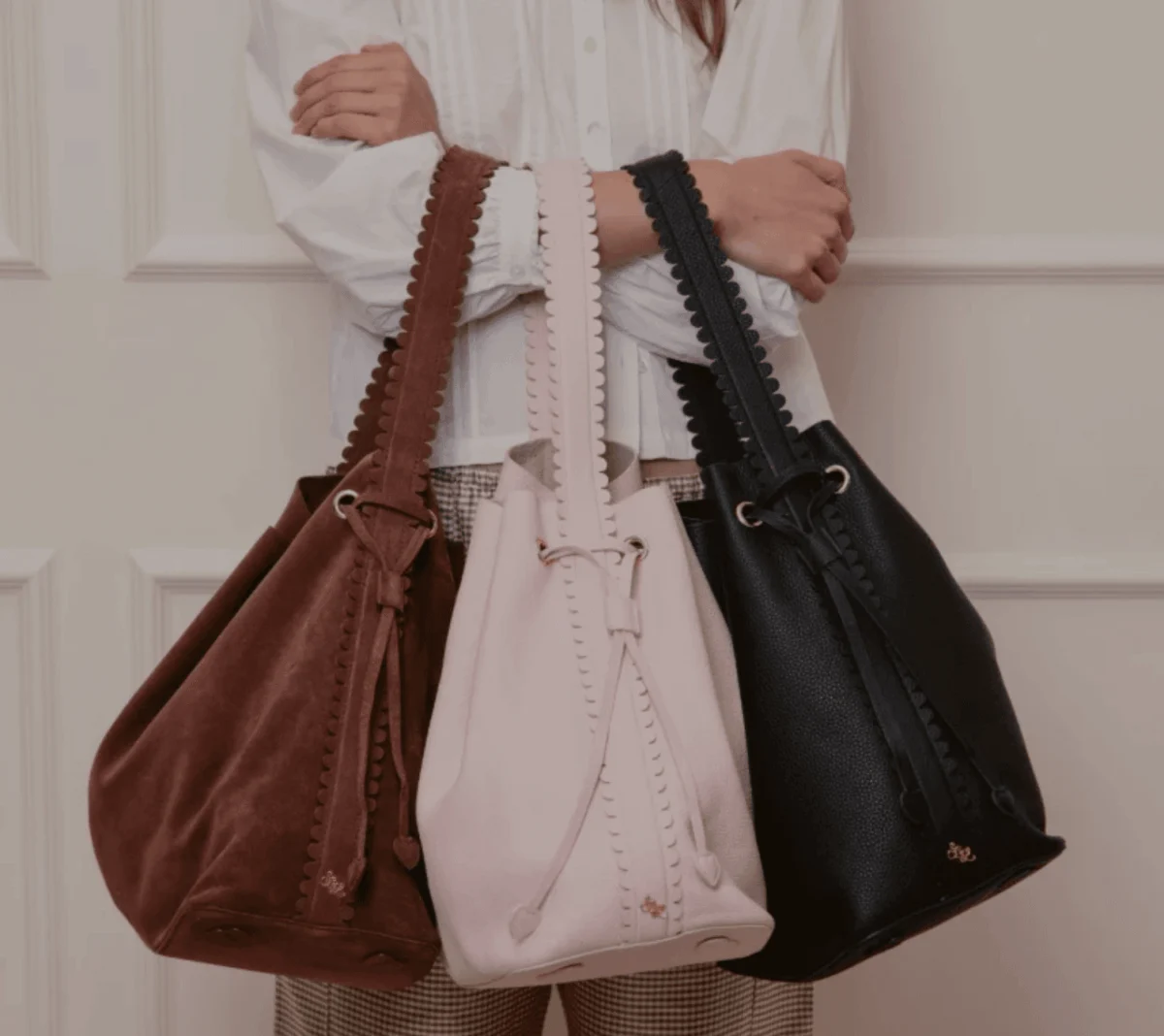
Stoney Clover Lane, a lifestyle brand specializing in customizable travel accessories, has solidified its position within the competitive retail landscape by merging high-end personalization with accessible consumer entry points. Founded in 2009 by sisters Kendall and Libby Glazer, the brand has evolved from a niche venture into a prominent player in the "affordable luxury" sector, driven by a business model that prioritizes individual expression and domestic craftsmanship. By offering a diverse range of products—including duffels, pouches, fanny packs, and backpacks—the company leverages a unique value proposition: every item is hand-sewn and patched in Brooklyn, New York, ensuring that the consumer receives a bespoke product. As the travel industry continues to recover and evolve in the post-pandemic era, Stoney Clover Lane has implemented a series of strategic discount programs and promotional structures designed to enhance brand loyalty and expand its demographic reach.
Strategic Consumer Incentives and Digital Engagement
A cornerstone of Stoney Clover Lane’s growth strategy is its aggressive digital acquisition funnel. The brand incentivizes new customer acquisition through a structured 15% discount for first-time shoppers who subscribe to the corporate newsletter. This mechanism serves a dual purpose: it lowers the barrier to entry for a premium-priced product and establishes a direct-to-consumer (DTC) communication channel. Through this newsletter, the brand disseminates information regarding exclusive deals, product launches, and seasonal coupon codes, fostering a community of "brand enthusiasts" who are more likely to engage in repeat purchases.
In addition to introductory offers, the brand has optimized its seasonal sales cycles. Currently, the company is highlighting a "bundle and save" initiative targeted at the back-to-school and professional organization markets. This promotional structure encourages higher average order values (AOV) by offering tiered discounts: a 15% reduction for the purchase of two items and a 20% reduction for three or more items. The range of products eligible for this promotion includes denim large everything totes, lunch totes, and specialized pouches. By removing the requirement for a specific coupon code at checkout for these bundles, the brand reduces friction in the user experience, a move that retail analysts suggest can significantly improve conversion rates.
Corporate Social Responsibility and Targeted Verification Discounts
Stoney Clover Lane has also integrated a robust verification-based discount program into its e-commerce platform. Recognizing the societal contributions of specific labor sectors, the brand offers a perpetual 10% discount to medical workers, first responders, teachers, and military personnel. These discounts are facilitated through ID.me, a secure digital identity network that allows for real-time eligibility verification.
This approach reflects a broader trend in the retail industry where brands seek to align their commercial interests with social recognition. For the military community, the brand provides a unique discount code upon verification of service, while educators and healthcare professionals receive an automatic application of the 10% reduction at checkout. Industry observers note that these targeted discounts not only drive sales among stable demographic groups but also enhance the brand’s reputation as a socially conscious entity.
Chronology of Brand Evolution and Growth
The trajectory of Stoney Clover Lane provides insight into the changing dynamics of the American lifestyle market over the last decade and a half.
- 2009: Kendall and Libby Glazer found the company, initially focusing on beaded bracelets and small-scale accessories.
- 2012–2015: The brand identifies a gap in the travel market for organized, "Instagrammable" accessories. The focus shifts toward pouches and bags that allow for modular organization.
- 2018: The company opens its first flagship store in Palm Beach, Florida, signaling a commitment to a multi-channel retail strategy that combines online customization with a physical "patch bar" experience.
- 2019–2021: Expansion into major metropolitan markets, including New York City and Los Angeles. During the height of the COVID-19 pandemic, the brand sees a surge in home organization sales, compensating for the temporary decline in international travel.
- 2022–Present: Stoney Clover Lane enters high-profile collaborations with global brands such as Disney, Hello Kitty, and Target. These partnerships introduce the brand to a mass-market audience while maintaining the core "customization" ethos through limited-edition patch collections.
Operational Logistics and Domestic Manufacturing
Unlike many of its competitors who outsource production to overseas factories to minimize costs, Stoney Clover Lane maintains a significant portion of its assembly operations in Brooklyn. This domestic manufacturing model allows for a higher degree of quality control and a faster turnaround for customized orders. After a customer selects their base product and specific patches or embroidery, the items are hand-finished by skilled artisans.
This operational choice has significant implications for the brand’s shipping and pricing strategies. The brand currently offers free shipping on orders exceeding a $250 threshold. This high minimum spend is designed to offset the logistical costs associated with shipping customized, often bulky, items from a domestic hub. Furthermore, the brand utilizes holiday events and special promotional windows to offer temporary shipping relief, a tactic used to maintain momentum during peak retail seasons.
Market Analysis: The Rise of the Personalization Economy
The success of Stoney Clover Lane is reflective of a larger shift in consumer behavior toward the "Personalization Economy." According to recent retail data, consumers are increasingly willing to pay a premium for products that reflect their individual identity. In the travel sector, this has manifested as a move away from generic, mass-produced luggage toward items that can be easily identified on a carousel or in an overhead bin.
Analysis suggests that by allowing customers to choose monograms, specific phrases, or curated patches, Stoney Clover Lane creates an emotional "lock-in." A customized bag is less likely to be returned and more likely to be shared on social media, providing the brand with a continuous stream of user-generated content (UGC). This organic marketing is invaluable in an era where traditional advertising costs are skyrocketing.
Technical Optimization and the Consumer Experience
As a digital-first brand, Stoney Clover Lane places heavy emphasis on the functionality of its e-commerce interface. The brand provides explicit guidance for consumers experiencing technical difficulties with promotional codes. Common issues identified by the brand’s support team include:
- Syntax Errors: Typos, unnecessary spaces, or case-sensitivity issues.
- Validity Windows: The expiration of seasonal or one-time use codes.
- Exclusion Policies: Certain limited-edition collaborations or "Last Chance" sale items are frequently excluded from standard discount codes.
- Browser Conflicts: The brand recommends clearing cache and cookies or switching browsers to resolve "ghosting" issues where a code fails to register despite meeting all criteria.
By providing this level of transparency, the brand minimizes customer service overhead and improves the overall "path to purchase."
Broader Impact and Industry Implications
The growth of Stoney Clover Lane has forced larger luggage legacy brands to reconsider their approach to the "lifestyle" segment of the market. The brand’s ability to turn utilitarian objects—like a nylon pouch or a denim tote—into "collectible" fashion statements has created a new blueprint for boutique retail.
Furthermore, the brand’s success in Brooklyn-based manufacturing serves as a case study for the viability of urban "maker" economies. While the price point of a Stoney Clover Lane item is higher than a standard department store equivalent, the brand has successfully argued that the value lies in the "one-of-a-kind" nature of the product and the support of domestic labor.
Looking forward, the brand is expected to continue its expansion into lifestyle categories beyond travel, potentially moving into home decor or pet accessories, where the demand for personalization remains high. As long as the desire for "whimsical" yet functional organization persists, Stoney Clover Lane’s blend of strategic discounting and high-touch customization is likely to remain a dominant force in the luxury accessory market. The company’s trajectory suggests that in the modern retail environment, the "personal touch" is not just a service—it is the product itself.

0 Comments