
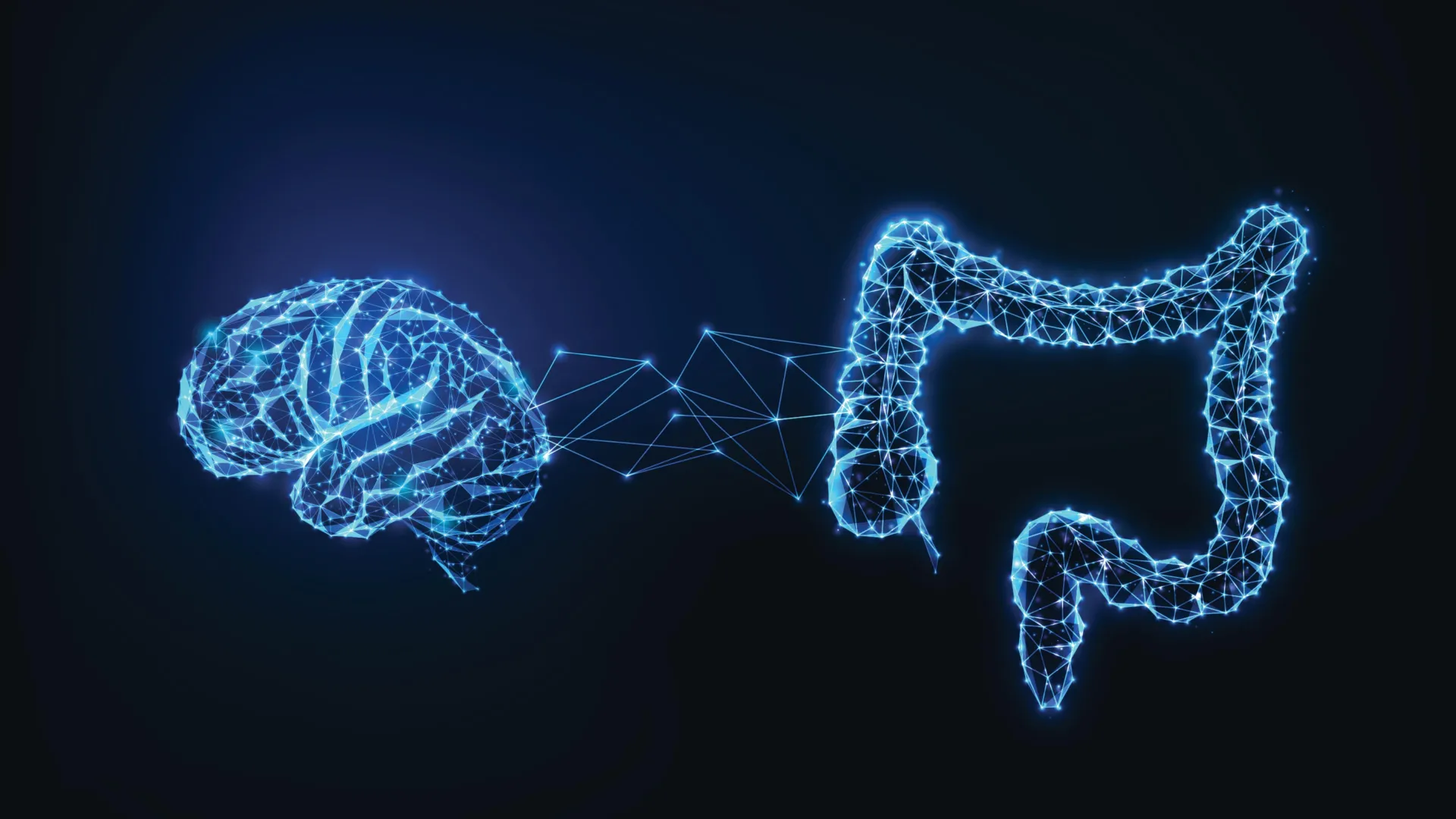
New research emerging from the University of Southern California (USC) Dornsife College of Letters, Arts and Sciences is shedding light on a profound and previously underestimated connection between our digestive system and the formation of memories, particularly those associated with food. The iconic literary moment of Marcel Proust’s madeleine, which famously unlocked a torrent of childhood recollections, may be more than a purely cerebral phenomenon. This groundbreaking study suggests that signals originating from our gut play a critical role in determining which food-related experiences are etched into our long-term memory.
Unraveling the Vagus Nerve’s Role in Memory
Led by Scott Kanoski, a professor of biological sciences at USC Dornsife, the study delves into the intricate communication pathways between the gut and the brain. At the forefront of this investigation is the vagus nerve, a cranial nerve that serves as a primary conduit for information exchange between the digestive tract and the central nervous system. While its influence on digestion, appetite regulation, and satiety has long been established, this research posits a significant new function: its potential to transmit crucial information that aids the brain in consolidating memories.
Published in the prestigious journal Nature Communications, the findings are the result of extensive experiments conducted with laboratory rats. These studies meticulously examined how the consumption of various foods impacts neural activity and neurotransmitter release in brain regions vital for learning and memory. The implications of this research extend beyond mere academic curiosity, offering a biological framework for understanding why certain meals become indelible parts of our personal histories and how dietary habits might influence cognitive function.
The Gut’s Direct Line to the Hippocampus
The core of the USC study lies in its demonstration of a direct link between nutrient intake and memory formation, mediated by the vagus nerve. Researchers observed that when rats consumed nutrient-rich foods, there was a significant increase in the release of acetylcholine in neurons connected to the hippocampus. The hippocampus, a seahorse-shaped structure nestled deep within the temporal lobe, is widely recognized as the brain’s primary hub for learning and memory consolidation.
Acetylcholine, a vital neurotransmitter, is essential for the brain’s ability to encode new information and forge lasting memories. The study’s key revelation is that this surge in hippocampal acetylcholine following a meal is not an autonomous event. Instead, it is contingent upon messages traveling from the gut, specifically via the vagus nerve.
To rigorously test this hypothesis, the research team deliberately disrupted communication along the vagus nerve. In these instances, the expected rise in acetylcholine levels after the rats consumed food was absent. More tellingly, these rats demonstrated a marked impairment in their ability to recall the locations where they had previously found food, a critical survival skill for many species. This direct correlation underscores the vagus nerve’s pivotal role in translating the nutritional status of a meal into a signal that the brain can use to reinforce memory.
Beyond Sweetness: The Primacy of Nutrients
A particularly compelling aspect of the research is its differentiation between the sensory experience of taste and the actual nutritional value of food. The experiments revealed that the brain’s memory system responds more robustly to the presence of beneficial nutrients rather than solely to pleasant or sweet flavors.
Rats that were fed substances containing sugar or fat exhibited strong activation in brain pathways associated with memory formation. In contrast, animals that consumed low-calorie or noncaloric liquids, even those that tasted distinctly sweet, did not elicit the same level of memory-related neural activity. This suggests a sophisticated biological mechanism that allows the brain to distinguish between mere palatability and genuine nutritional benefit. A sweet taste, by itself, was insufficient to trigger the potent memory-encoding pathways identified in the study.
Logan Lauer, a PhD student in Kanoski’s lab and the first author of the study, articulated the evolutionary rationale behind this mechanism. "We think the mechanism likely evolved to help animals remember vital information about food sources," Lauer explained. "Recalling where certain plants sprout first in the spring can help hungry animals find important nutrients. Signals from the gut tell the brain, ‘This meal provided valuable nutrients, so remember where and how you got it.’" This adaptive strategy would have been crucial for survival, enabling animals to efficiently locate and re-access sources of sustenance, thereby increasing their chances of survival and reproduction.
The Evolutionary Imperative of Food Location Memory
The ability to remember the precise location of a reliable food source is not merely a matter of convenience; for many animals in the wild, it is an absolute prerequisite for survival. A meal that delivers substantial energy or essential nutrients can act as a potent trigger for the gut to send a signal to the brain, prompting it to store detailed information about the food’s origin and the methods used to acquire it. This biological imperative is deeply ingrained, ensuring that advantageous foraging discoveries are not lost.
This intricate interplay between ingestion and memory formation could offer a compelling explanation for why certain dining experiences become particularly memorable. Our bodies, through this evolutionary mechanism, may be wired to assign greater significance to meals that provide vital energy or essential nutrients, reinforcing these memories to guide future foraging or food choices.
The Shadow of Unhealthy Diets on Memory Pathways
While nutrient-rich foods appear to bolster memory formation, the study also uncovers a concerning long-term effect of diets high in sugar and fat. Although these palatable, energy-dense foods initially triggered strong short-term memory responses, chronic exposure to them over time proved detrimental to the gut-brain communication pathway.
Rats that were fed high-fat and high-sugar diets from an early stage in their development exhibited a notable weakening of the communication link between their gut and the hippocampus. This impairment was not transient; their memory-related brain responses remained suppressed even after they were transitioned back to a healthier dietary regimen. Furthermore, these animals performed significantly worse on tasks designed to test their spatial memory for food locations.
These findings strongly suggest that sustained consumption of unhealthy foods can actively interfere with the very gut-to-brain system that is instrumental in encoding food-related memories in the first place. This disruption could have far-reaching consequences for an individual’s ability to learn and recall information, not just about food, but potentially extending to other cognitive domains.
Broader Implications for Cognitive Health and Disease
The implications of this research extend beyond the realm of food recall and into the broader landscape of human cognitive health. A growing body of evidence has already established links between prevalent conditions such as obesity, poor nutritional status, and metabolic disorders like diabetes, and an increased risk of cognitive decline. This new study offers a plausible biological mechanism that could help explain these associations.
The repeated exposure to unhealthy, highly palatable foods may, over time, lead to a gradual degradation or disruption of the vital communication network between the gut and the brain. Such disruptions could progressively impair the memory system’s ability to function optimally, contributing to the cognitive deficits observed in individuals with these health challenges.
Moreover, the findings could provide crucial insights into the underlying mechanisms of neurodegenerative diseases. Scott Kanoski highlighted the significance of acetylcholine signaling in this context. "The disruption of acetylcholine signaling in the hippocampus is one of the earliest neurochemical changes in Alzheimer’s disease," Kanoski stated. "By revealing that this system is boosted by gut signaling from the vagus nerve, novel therapeutic targets could leverage this information to explore vagus nerve-based approaches, such as vagus nerve stimulation." This opens up exciting avenues for potential therapeutic interventions aimed at preserving cognitive function and mitigating the progression of diseases like Alzheimer’s.
Charting New Territories for Memory Enhancement
The discovery that the gut actively influences memory formation through vagal signaling presents a compelling new frontier for therapeutic development. The possibility of future treatments focusing on strengthening the communication between the digestive system and the brain is now a tangible prospect.
Interventions designed to stimulate the vagus nerve or to improve overall gut health could potentially be explored as strategies to bolster memory and safeguard cognitive function. Vagus nerve stimulation, a technique already under investigation for various neurological and psychiatric conditions, may find a new application in the enhancement and preservation of memory.
While the researchers emphasize that further work is imperative to confirm whether these findings translate directly to human physiology, the current experimental evidence provides robust support for the increasingly recognized interconnectedness of the gut and the brain. This research reinforces the notion that these two systems do not operate in isolation but are engaged in a continuous and dynamic dialogue that profoundly influences our behavior, cognition, and overall well-being. The intricate dance between what we eat and how we remember is far more complex and influential than previously understood, opening up exciting new avenues for scientific inquiry and potential health interventions.
About the Study and Funding
The comprehensive study involved a multidisciplinary team of researchers. In addition to Professor Scott Kanoski and PhD student Logan Lauer, the author list includes Anna Hayes, Andrea Suarez, Alexander Bashaw, Molly Klug, Alicia Kao, Robert Cheng, Jessica Rea, Keshav Subramanian, Anna Nourbash, Kristen Donohue, and Lindsey Schier from USC Dornsife. Collaborators from other institutions include Kevin Myers of Bucknell University and Léa Décarie-Spain of Université de Montréal.
This significant research was made possible through substantial funding from several national and institutional grants. Key support was provided by grants from the National Institute of Diabetes and Digestive and Kidney Diseases (grants DK104897 and DK123423), the Postdoctoral Ruth L. Kirschstein National Research Service Award from the National Institute on Aging (grant F32AG077932), the Quebec Research Funds (postdoctoral fellowship 315201), and an Alzheimer’s Association Research Fellowship to Promote Diversity. This collaborative and well-funded effort highlights the scientific community’s commitment to unraveling the complexities of the gut-brain axis.

0 Comments