
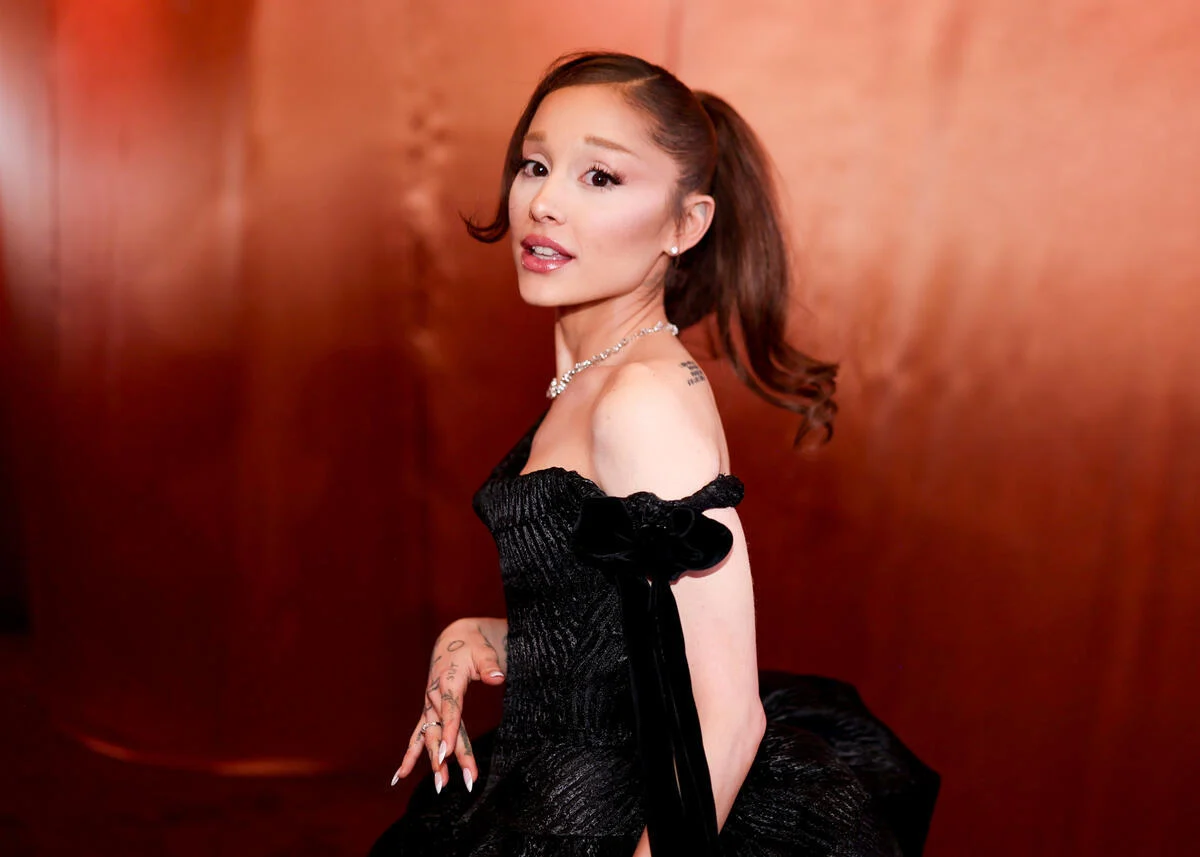
The recent release of Ariana Grande’s "Petal" music video has reignited an intense global conversation regarding the singer’s physical appearance, prompting a surge in public scrutiny that has led the pop star to announce a planned withdrawal from the public eye. Grande, who is currently concluding a high-profile tour and preparing for the cinematic release of Wicked, stated she would be taking "a step back from visibility" once her current professional obligations are met. This decision comes amidst a backdrop of relentless commentary on social media and entertainment news outlets concerning her thin frame, a discourse that has shifted from fan concern to a broader debate on the responsibilities of celebrities and the potential psychological impact of such imagery on a younger, impressionable audience.
The Evolution of the Controversy and the "Petal" Release
The trajectory of the current discourse began to steepen following the aesthetic choices of the "Petal" music video. The visual content, characterized by its soft-focus, ethereal, and floral themes, prominently features Grande in a way that many viewers and critics have described as highlighting an increasingly frail silhouette. While Grande has previously addressed her health—notably in a 2023 social media video where she urged fans to be "gentle" and reminded them that the body they were comparing her current self to was actually her "unhealthiest version"—the "Petal" video has been perceived by some as a glamorization of extreme thinness.
This aesthetic choice has drawn sharp criticism from body positivity advocates. Charli Howard, a prominent model and author of Flesh who has been vocal about her own recovery from an eating disorder, took to Instagram to voice her concerns. Howard described the imagery as "not normal" and criticized Grande’s management and creative team for allowing the video’s release. She argued that from both a "moral and capitalistic standpoint," the promotion of such imagery is damaging to women and girls who view Grande as a role model. The critique centers on the idea that high-budget productions carry a social responsibility to avoid reinforcing harmful beauty standards that correlate with disordered eating.
Chronology of Public and Professional Reactions
The timeline of this discourse reflects a growing tension between a celebrity’s right to bodily autonomy and the public’s concern for social health standards.
- Early 2023: Initial waves of concern regarding Grande’s weight gain traction on platforms like TikTok and X (formerly Twitter).
- April 2023: Grande releases a direct-to-camera video addressing the comments, explaining that her previous "healthier-looking" body was the result of antidepressants and poor lifestyle habits.
- Late 2023 – Early 2024: Grande’s involvement in the Wicked film adaptation keeps her in the spotlight, with fans noting her continued weight loss in promotional stills.
- Current Period: The "Petal" music video is released. Public discourse reaches a fever pitch, leading to Howard’s viral critique and Grande’s subsequent announcement of a hiatus from public visibility.
In response to the escalating chatter, online communities, particularly on platforms like Reddit, have seen a surge in discussions among parents. These threads focus on how to manage the "Ariana Grande conversation" with children who may be seeing these images on their feeds. Parents have expressed alarm that their children—some as young as ten—are questioning if the images are "photoshopped" or if looking "like a skeleton" is a new beauty goal.
The Psychological Impact on Adolescents and Data Trends
The concern voiced by activists and parents is supported by a growing body of data regarding the relationship between celebrity imagery and adolescent mental health. According to various psychological studies, exposure to "thinspiration" content—media that promotes extreme thinness as an aspirational goal—is a significant risk factor for the development of body dissatisfaction and disordered eating in tweens and teens.
Data from the National Eating Disorders Association (NEDA) suggests that approximately 40% to 60% of elementary school girls (ages 6-12) are concerned about their weight or about becoming "too fat." When global icons like Grande, who possesses immense cultural capital, appear in a way that aligns with these anxieties, the impact is magnified. The "waif" aesthetic, which saw a peak in the 1990s and is currently seeing a resurgence in the "Ozempic era," creates a narrow definition of beauty that many experts believe is unsustainable and dangerous for the average developing body.
Expert Perspectives on Parental Intervention
Medical and mental health professionals emphasize that the way parents discuss Grande’s appearance with their children can either mitigate or exacerbate the problem. Dr. Whitney Casares, author of Raising Body-Confident Kids, notes that regardless of the specifics of Grande’s personal health, the "waif-thin look" should not be framed as aspirational. However, she cautions parents against criticizing Grande’s body directly.

"Resist the urge to lead with your take on her body," Casares advises. Comments such as "she needs to eat" or "she looks too thin" can inadvertently teach children that all bodies, including their own, are subject to public evaluation and judgment. Instead, experts suggest a shift in focus.
Shifting the Focus to Well-being
Alison Chase, a licensed psychologist and founder of AK Chase Consulting, argues that the conversation should move away from aesthetics and toward health and internal well-being. "Where parents can unintentionally get into trouble is when the conversation becomes about judging the celebrity’s body," Chase explains. This judgment reinforces the idea that a person’s value is tied to their physical appearance.
The Role of Compassion and Curiosity
Kara Becker, national director of eating disorder programs at Newport Healthcare, suggests a curiosity-based approach. If a child brings up a celebrity’s weight, parents should ask: "What did you see, and how did it make you feel?" This approach allows parents to gauge whether the child is projecting their own body anxieties onto the celebrity. Often, a child’s interest in a star’s weight is a secondary sign of their own struggle with body image during puberty.
Broader Implications: The Commodification of the Female Body
The debate surrounding Grande also touches upon the broader issue of how women’s bodies are treated as products for public consumption. Dr. Elizabeth Wassenaar, regional medical director at the Eating Recovery Center, points out that the constant commentary reinforces the idea that a woman’s body "is a product for public comment and public opinion." This sends a message to young girls that their bodies do not belong to them, but rather to the society that observes them.
This "public ownership" of the female form is a recurring theme in the entertainment industry. When a celebrity is perceived as "too thin" or "too heavy," the public feels entitled to demand explanations, medical records, or changes in behavior. For an artist like Grande, this environment can become stifling, hence her decision to seek "a step back from visibility."
Identifying Red Flags in Youth
As the cultural conversation continues, experts urge parents to be vigilant for signs that their children may be internalizing these harmful standards. Disordered eating often begins with behaviors that are masked as "health-conscious" choices.
- Restriction Disguised as Health: Lisa George, founder of Talk Tribeca Psychiatry, warns that a sudden obsession with "clean eating," reading nutrition labels, or cutting out entire food groups can be an early warning sign.
- Obsessive Behaviors: Frequent mirror checking, anxiety surrounding family meals, or an intense new exercise regimen can indicate a burgeoning issue.
- Physical and Emotional Signs: Dr. Wassenaar highlights missed menstrual cycles, chronic exhaustion, social isolation, and irritability as key indicators that a child may be struggling with their relationship with food and body image.
Conclusion: Navigating a New Cultural Standard
The situation involving Ariana Grande serves as a modern case study for the complexities of celebrity influence in the digital age. While the singer’s personal health remains a private matter, the public’s reaction—and the industry’s role in styling and promoting specific body types—remains a valid subject of sociological and psychological concern.
For parents and educators, the goal is not necessarily to "solve" the mystery of a celebrity’s health, but to provide a buffer for the next generation. By modeling healthy eating habits, avoiding self-deprecating comments about their own bodies, and fostering an environment where health is measured by vitality rather than a number on a scale, adults can help counteract the pervasive influence of "thinspiration." As Grande prepares to step away from the limelight, the conversation she inadvertently sparked remains a critical touchstone for how society values, views, and discusses the human body.

0 Comments