
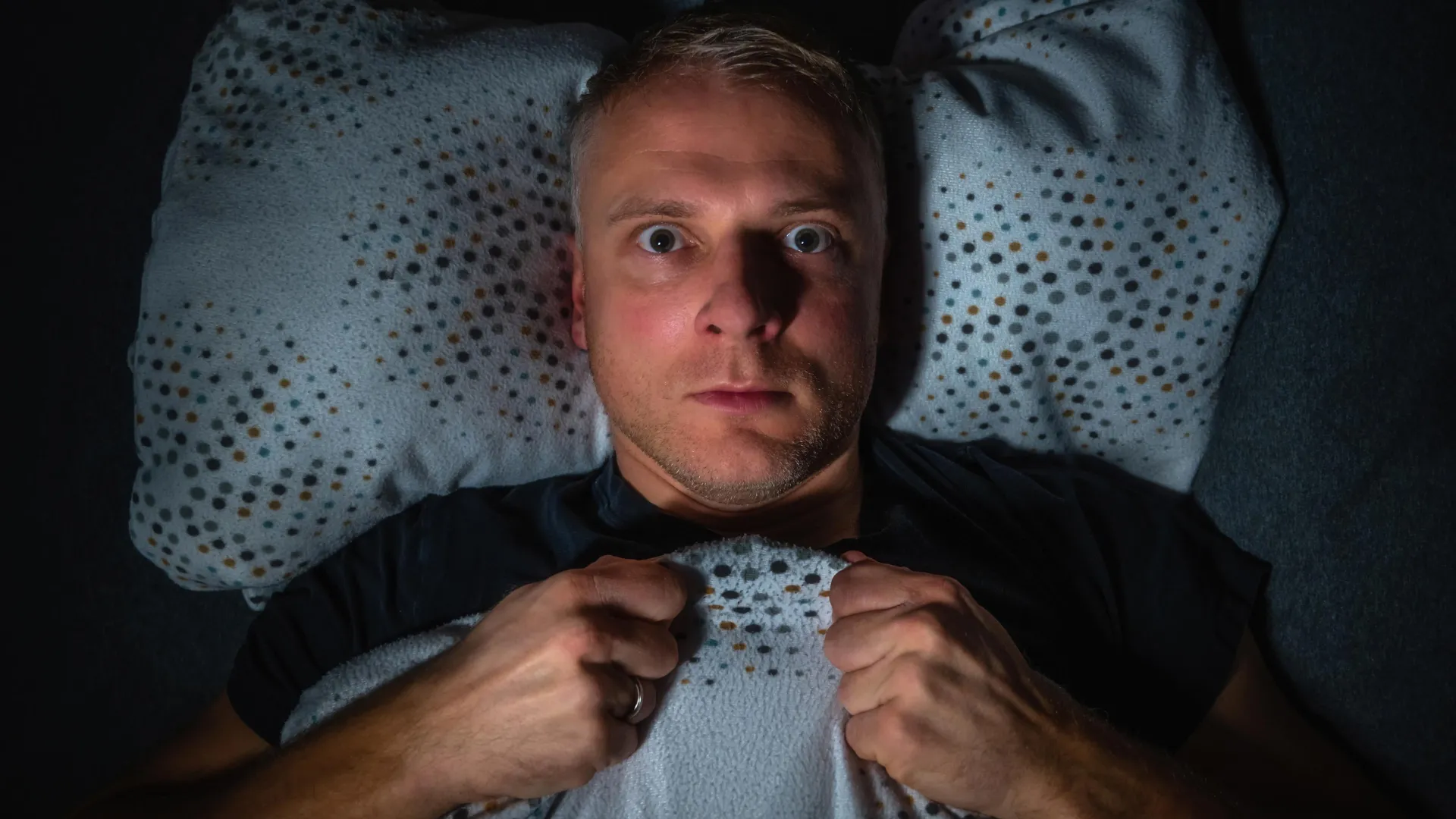
Nightmares are a profoundly debilitating symptom of post-traumatic stress disorder (PTSD), a condition that can cast a long shadow over individuals who have endured catastrophic events. From the chaos of natural disasters and the horror of serious accidents to the visceral terror of violence, combat, or other severe traumas, the psychological aftermath can manifest in distressing ways. For those living with PTSD, sleep offers little respite, often becoming a nightly re-enactment of their worst experiences in harrowing detail. These recurring episodes can lead to chronic sleep deprivation, fostering a deep-seated fear of slumber itself and further eroding an individual’s quality of life. While existing pharmacological interventions offer some relief, their efficacy in addressing trauma-related nightmares has remained a significant challenge, prompting researchers to explore novel therapeutic avenues.
A Glimmer of Hope: THC Shows Potential in Alleviating PTSD Nightmares
In a significant advancement for PTSD treatment, researchers at Charité – Universitätsmedizin Berlin have investigated the potential of a prescription drug containing tetrahydrocannabinol (THC), a primary psychoactive compound found in cannabis, to mitigate the persistent nightmares associated with the disorder. The findings, published in the esteemed journal Nature Medicine, indicate a notable positive response, with over half of the study participants experiencing relief. Remarkably, more than a third reported a complete cessation of their nightmares, a outcome previously elusive with conventional treatments.
The Persistent Challenge of Treating PTSD Nightmares
The impact of traumatic experiences can reverberate long after the immediate threat has dissipated. In individuals diagnosed with PTSD, the brain struggles to effectively process these overwhelming events. Traumatic memories can become fragmented and intensely re-activated, resurfacing involuntarily and without conscious control. This phenomenon can occur both during waking hours and, most disruptively, during sleep. For many with PTSD, slumber transforms into a nightly ordeal, characterized by the repeated reliving of the trauma, often culminating in sudden awakenings accompanied by intense panic.
Current treatment paradigms for PTSD often include antidepressants and medications aimed at lowering blood pressure. While these therapies can address certain aspects of the disorder, their effectiveness in directly targeting and alleviating the severe nightmares has been consistently limited. Furthermore, a critical gap exists in the availability of medications specifically approved for the treatment of trauma-related nightmares in many jurisdictions, including Germany, where this groundbreaking research was conducted.
Professor Stefan Röpke, a leading expert in trauma-related disorders at the Department of Psychiatry and Neurosciences on the Benjamin Franklin Campus of Charité, spearheaded the investigation into tetrahydrocannabinol (THC) as a potential therapeutic agent. His team, collaborating with additional research partners, focused on THC due to emerging evidence suggesting its interaction with the body’s endocannabinoid system. This complex system plays a crucial role in regulating a variety of physiological processes, including sleep, stress response, and the consolidation and processing of emotional memories.
Professor Röpke explained the theoretical underpinnings of their approach: "There is evidence suggesting that during REM sleep – the intense dream phases in which the brain processes experiences and regulates emotions – THC reduces dream activity and thereby alleviates nocturnal stress responses." This mechanism proposed that THC might dampen the intensity and frequency of disturbing dreams, offering a direct intervention for a core symptom of PTSD.
Rigorous Testing of Dronabinol for PTSD Nightmares
The exploration of cannabis-based medicines for therapeutic purposes is not entirely novel. These compounds have found application in pain management, particularly in cases where conventional therapies prove insufficient or lead to intolerable side effects. In Germany, the legal landscape surrounding medical cannabis began to evolve with the implementation of the "Cannabis for medical purposes" law in 2017. This legislation significantly broadened the scope for the medical and scientific utilization of cannabinoids, whether derived from natural plant sources or synthesized.
For this specific study, the researchers selected Dronabinol, a pharmaceutical preparation containing synthetic THC, administered in drop form. The primary objective was to rigorously assess the safety and efficacy of Dronabinol in reducing the frequency and severity of nightmares directly linked to PTSD.
The study enrolled over 170 participants who had been diagnosed with post-traumatic stress disorder and reported experiencing frequent and severe nightmares. Over a ten-week period, participants were randomly assigned to receive either Dronabinol or a cannabis-flavored placebo. The placebo was designed to be indistinguishable from the active medication in appearance, ensuring blinding of both participants and researchers. The drops were to be taken each evening prior to bedtime.
Adhering to the highest scientific standards, the trial employed a double-blind, placebo-controlled design. This methodology is considered the gold standard in clinical research, as it minimizes bias by preventing participants and the healthcare professionals administering the treatment from knowing who is receiving the active drug and who is receiving the placebo. This ensures that any observed effects can be attributed to the medication itself rather than psychological expectations or observer bias.
Quantifiable Decline in Nightmares with THC Treatment
The results of the ten-week trial demonstrated a statistically significant difference in nightmare severity between the two groups. Participants receiving Dronabinol experienced a more pronounced reduction in nightmare burden compared to those in the placebo group. On a standardized scale measuring nightmare severity, with scores ranging from zero to eight, the average burden decreased by 3.7 points among participants taking Dronabinol. In contrast, the placebo group saw an average decrease of 2.2 points. This difference was not only statistically significant but also clearly perceptible and meaningful to the individuals experiencing these distressing nocturnal events.
Professor Röpke elaborated on the profound impact observed: "More than a third of the patients treated with Dronabinol reported that they no longer experienced any nightmares after ten weeks. Another 21 percent reported that their nightmare burden had been at least halved. And about five out of six patients in the dronabinol group felt their health had markedly improved." These figures highlight the substantial clinical benefit derived from Dronabinol, offering a new avenue for relief to individuals previously struggling with intractable nightmares.
Safety Profile: No Severe Side Effects or Signs of Dependence
A crucial aspect of any new therapeutic intervention is its safety profile. The study indicated that Dronabinol appeared to exert a targeted effect on nightmares and sleep disturbances, rather than broadly impacting all facets of PTSD. The researchers were unable to conclusively demonstrate a significant reduction in the overall severity of post-traumatic stress disorder or any associated depressive symptoms through this specific intervention. However, the primary focus of the study was on nightmare reduction, and in this regard, the treatment proved highly effective.
Despite the targeted nature of the relief, the majority of participants reported meaningful improvements in their well-being. By disrupting the cycle of nocturnal trauma re-experiencing, the Dronabinol treatment facilitated more peaceful and restorative sleep for many.
Crucially, the study reported no severe adverse events associated with Dronabinol use. Mild to moderate side effects, such as dizziness, headaches, and an increased appetite, were observed more frequently in the Dronabinol group. However, these were generally well-tolerated and did not lead to discontinuation of the treatment. Furthermore, upon cessation of the evening doses at the study’s conclusion, researchers observed no withdrawal symptoms, suggesting a low risk of dependence.
Future Directions and Broader Implications
The findings of this study pave the way for further research into the long-term efficacy and safety of THC-based treatments for PTSD nightmares. Future investigations are planned to examine whether the therapeutic benefits of Dronabinol can be sustained over extended periods of use. Additionally, researchers aim to determine if patients might develop tolerance to the drug over time, necessitating adjustments in dosage or treatment regimens.
The collaborative nature of this research underscores its significance. Charité initiated and led the study, with valuable contributions from scientists at the Psychiatric University Clinic of Charité at St. Hedwig Hospital, the University Medical Center Hamburg-Eppendorf, and the Central Institute for Mental Health in Mannheim. The study received support from Bionorica SE, highlighting the growing interest and investment in cannabinoid-based therapeutics.
The implications of this research are far-reaching. For individuals grappling with the debilitating effects of PTSD, particularly the relentless torment of nightmares, this study offers a beacon of hope. The potential for a safe and effective treatment that specifically targets this distressing symptom could revolutionize the management of PTSD, improving not only sleep quality but also overall mental health and daily functioning. As the understanding of the endocannabinoid system and its role in trauma processing deepens, treatments like Dronabinol may become a vital component in a comprehensive approach to healing for those who have endured profound adversity. The expansion of medical cannabis laws in various regions globally could accelerate the accessibility of such promising therapies, offering much-needed relief to a vulnerable population. The ongoing dialogue between scientific discovery and legislative frameworks will be critical in translating these findings into tangible benefits for patients worldwide.

0 Comments