
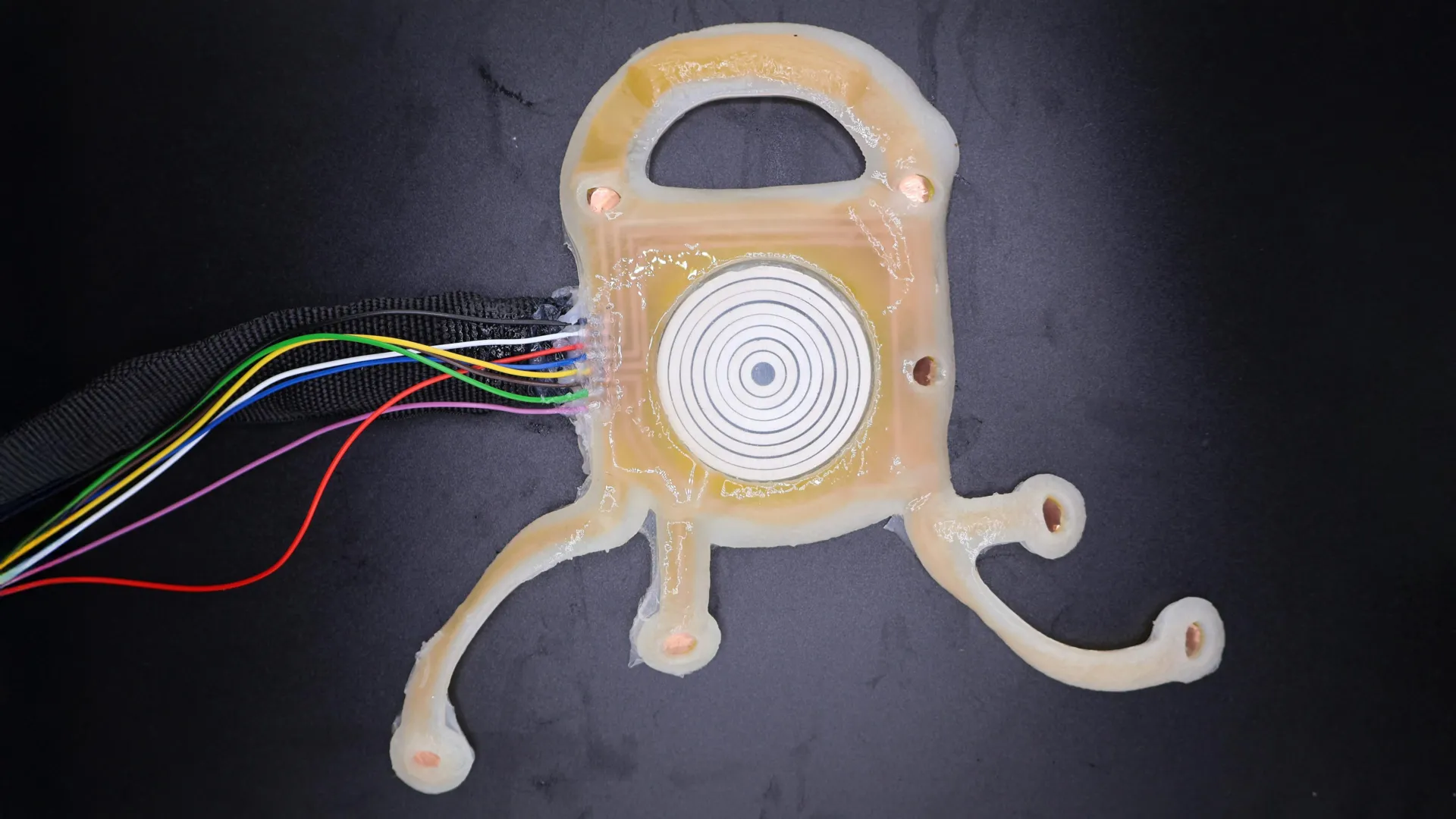
Researchers at the University of Texas at Austin have unveiled a revolutionary soft wearable patch, dubbed NEUSLeeP, that demonstrably enhances Rapid Eye Movement (REM) sleep. This innovative device, developed through rigorous real-world testing, achieves its remarkable results without the need for medication or invasive surgical procedures. By seamlessly integrating gentle ultrasound stimulation with advanced brain activity monitoring electrodes, NEUSLeeP possesses the unique capability to noninvasively target and influence deep brain regions critical for REM sleep, while simultaneously capturing real-time neurological responses. This dual functionality represents a significant leap forward in understanding and treating sleep disorders, offering a promising new avenue for improved sleep quality and overall well-being.
Genesis of an Innovation: A Decade of Sleep Research
The journey leading to NEUSLeeP’s development is rooted in years of dedicated research into the intricate mechanisms of sleep, particularly REM sleep. Scientists have long recognized the profound importance of REM sleep, often associated with vivid dreaming, for cognitive function, emotional regulation, and memory consolidation. Disruptions in REM sleep are increasingly linked to a spectrum of mental health challenges, including depression, anxiety, and post-traumatic stress disorder (PTSD). Existing therapeutic interventions, such as pharmacotherapy and behavioral modification, while beneficial for some, often come with side effects, limited efficacy for specific underlying causes, or may not directly address the neural pathways responsible for REM sleep regulation.
The seed for NEUSLeeP was planted with the growing understanding of neuromodulation techniques – the use of electrical or ultrasonic stimulation to alter nerve activity. Early research in this field, dating back to the late 20th and early 21st centuries, explored the potential of noninvasive brain stimulation for various neurological and psychiatric conditions. However, the precise targeting of deep brain structures involved in complex sleep cycles, coupled with simultaneous, high-fidelity monitoring, remained a significant technological hurdle. The UT Austin team, under the guidance of Professor Huiliang "Evan" Wang, embarked on a mission to bridge this gap, aiming to create a user-friendly, accessible, and effective solution.
The project gained significant momentum with the dedication of Kai Wing "Kevin" Tang, a doctoral candidate in biomedical engineering. Tang’s doctoral research focused on developing novel approaches to noninvasive brain stimulation. His meticulous work in designing ultrasound transducers capable of penetrating the skull and reaching specific subcortical regions, combined with his expertise in bio-signal processing for accurate electroencephalogram (EEG) analysis, formed the technological bedrock of NEUSLeeP. The development process involved iterative design, extensive computational modeling, and numerous laboratory trials to optimize ultrasound parameters and electrode placement for maximum efficacy and safety.
NEUSLeeP: A Technological Marvel
At its core, NEUSLeeP is a sophisticated yet elegantly simple wearable device. The patch, designed to be comfortable and discreet, adheres to the skin, typically on the scalp or temporal region. It houses an array of miniaturized ultrasound transducers and a network of highly sensitive electrodes. The ultrasound component emits low-intensity, focused ultrasonic waves. These waves are precisely calibrated to penetrate the scalp and skull, reaching deep brain structures such as the thalamus and brainstem, which play crucial roles in regulating sleep stages, including REM. The ultrasound stimulation is not intended to cause thermal or mechanical damage; rather, it is designed to gently modulate neuronal activity within these targeted regions.
Simultaneously, the integrated electrodes meticulously capture the brain’s electrical activity in real-time. This continuous monitoring provides a detailed electroencephalogram (EEG) reading, allowing researchers and the device itself to precisely identify different sleep stages, including REM. The genius of NEUSLeeP lies in this closed-loop system. The device doesn’t just blindly stimulate; it actively listens to the brain’s response. As the brain enters different sleep stages, the system can adapt the ultrasound stimulation dynamically, fine-tuning its intensity and frequency to optimize the transition into and maintenance of REM sleep. This adaptive capability is what sets NEUSLeeP apart from previous noninvasive neuromodulation attempts, offering a personalized and responsive approach to sleep enhancement.
"This is the first time we’ve been able to noninvasively target deep brain regions involved in REM sleep, while simultaneously monitoring brain activity," stated Kai Wing "Kevin" Tang, the lead researcher and a recent UT biomedical engineering Ph.D. graduate. His sentiment underscores the groundbreaking nature of the technology, highlighting the ability to achieve precise neuromodulation of deep brain structures – a feat previously considered extremely challenging without invasive methods.
Professor Huiliang "Evan" Wang, who supervised Tang’s work and served as the principal investigator (PI) for the project, further elaborated on the device’s potential. "Our skin-attached NEUSLeeP patch opens up new possibilities for understanding sleep and treating sleep disorders in home settings," he remarked. This statement emphasizes the device’s potential for widespread adoption and its role in democratizing advanced sleep therapy, moving it beyond the confines of clinical laboratories and into the everyday lives of individuals seeking better sleep.
Clinical Validation: Tangible Improvements in Sleep Metrics
The efficacy of NEUSLeeP has been rigorously tested in a pivotal study involving 28 participants. The findings, published in the esteemed journal Nature Communications, present compelling evidence of the patch’s ability to significantly improve REM sleep metrics. On average, participants using NEUSLeeP entered REM sleep a remarkable 43 minutes earlier than their baseline sleep patterns. Furthermore, the duration of REM sleep for these individuals was extended by approximately 16 minutes per night. These are not marginal improvements; they represent a substantial shift towards healthier and more restorative sleep architecture.
Crucially, these benefits were observed across a diverse group of participants, encompassing both individuals with healthy sleep patterns and those experiencing some degree of sleep difficulties. This suggests that NEUSLeeP is not merely a corrective measure for sleep disorders but also a tool that can optimize sleep quality for a broader population. The study also gathered valuable subjective feedback from the participants. Users consistently described the patch as comfortable to wear throughout the night, a critical factor for the long-term adherence to any wearable therapeutic device. The reported adverse effects were minimal, further bolstering the safety profile of NEUSLeeP. This combination of objective improvement in sleep metrics and positive user experience is a powerful testament to the device’s potential.
Beyond Sleep: Implications for Stress and Emotional Well-being
The impact of NEUSLeeP extends beyond simply increasing REM sleep duration. The study revealed intriguing effects on physiological markers associated with stress and emotional regulation. Among healthy participants, the NEUSLeeP stimulation led to an increase in heart rate variability (HRV). HRV is a widely recognized physiological indicator of the autonomic nervous system’s balance and the body’s capacity to adapt to stressors. Higher HRV is generally associated with better stress resilience and cardiovascular health. The observed increase in HRV suggests that NEUSLeeP may contribute to improved stress management and a more robust physiological response to daily challenges.
Furthermore, advanced brain imaging techniques employed during the study showed discernible changes in neural circuits associated with emotion processing. This finding opens up exciting possibilities for NEUSLeeP’s application in supporting mood regulation and enhancing psychological resilience. The intricate connection between REM sleep and emotional processing has been a subject of intense research. During REM sleep, the brain actively processes emotional experiences, consolidates memories, and recalibrates emotional responses. By enhancing REM sleep, NEUSLeeP may inadvertently facilitate these crucial emotional regulation processes.
Dr. Gregory Fonzo, an assistant professor in the Dell Medical School’s Department of Psychiatry and Behavioral Sciences and a co-PI on the project, articulated this connection eloquently. "REM sleep is not just about dreaming — it’s about emotional reset and stress adaptation," he explained. "By enhancing REM, we may help people better cope with stress and improve their overall well-being." This perspective underscores the holistic benefits of NEUSLeeP, positioning it as a potential tool for not only improving sleep but also for bolstering mental health and emotional fortitude.
The implications for mental health disorders are particularly profound. Disruptions in REM sleep are a well-documented hallmark of conditions such as depression, anxiety, and PTSD. These disorders are characterized by difficulties in emotional regulation, heightened stress responses, and impaired cognitive processing. Current treatment paradigms, while valuable, often struggle to directly address the underlying sleep dysregulation that exacerbates these symptoms. NEUSLeeP’s ability to noninvasively and effectively modulate REM sleep offers a novel therapeutic avenue that could complement existing treatments and potentially address a critical contributing factor to these debilitating conditions.
The Road Ahead: Future Trials and Commercialization Aspirations
Building upon the promising results of this initial study, the UT Austin research team is now focused on expanding their investigations. The next phase involves larger-scale clinical trials designed to further validate these findings and explore the therapeutic potential of NEUSLeeP for specific clinical populations. Plans are underway to evaluate its efficacy in individuals suffering from chronic insomnia, a widespread sleep disorder affecting millions globally. Furthermore, the team aims to assess NEUSLeeP’s impact on individuals with PTSD and depression, conditions where REM sleep disturbances are particularly pronounced and contribute significantly to symptom severity.
Beyond direct therapeutic applications, the researchers envision NEUSLeeP playing a vital role in home sleep monitoring and advanced neuroscience research. The device’s ability to accurately track brain activity and sleep stages in a naturalistic home environment could revolutionize how sleep is studied and managed. This could lead to more personalized sleep treatments, tailored to individual needs and sleep profiles.
"Our vision is a future where patients with mental health disorders can optimize their sleep with a noninvasive and safe treatment," expressed Dr. Vincent Mysliwiec, a professor at UT Health San Antonio, a leading expert in sleep disorders, and another co-PI on the project. His vision highlights the transformative potential of NEUSLeeP, envisioning a world where millions can access restorative sleep, a fundamental pillar of health and well-being.
Recognizing the significant market potential and the pressing need for such an innovation, the research team is actively pursuing commercialization. They are collaborating with Discovery to Impact, UT Austin’s dedicated commercialization unit, to navigate the complex pathway from laboratory discovery to market availability. This collaboration is crucial for securing intellectual property, attracting investment, and establishing the necessary manufacturing and distribution channels. A patent application for the NEUSLeeP device has already been filed, underscoring the team’s commitment to protecting their groundbreaking invention and bringing it to those who can benefit from it.
A Collaborative Endeavor: The Minds Behind NEUSLeeP
The development of NEUSLeeP is a testament to interdisciplinary collaboration and the collective expertise of a dedicated research team. Beyond the core leadership of Kai Wing "Kevin" Tang and Professor Huiliang "Evan" Wang, the project benefited from the contributions of numerous researchers from diverse fields. Members of the Department of Biomedical Engineering at UT Austin, including William D. Moscoso-Barrera, Mengxia Yu, Mengmeng Yao, Jinmo Jeong, Ilya Pyatnitskiy, Anakaren Romero Lozano, Jiachen Wang, Ju-Chun Hsieh, Tony Sungjin Chae, Daniel Song, Julieta Garcia, Rithvik Mittapalli, and Adam Bush, played critical roles in the device’s design, fabrication, and testing.
The project also drew valuable insights from Benjamin Baird of the College of Natural Sciences’ Department of Psychology, who contributed to the understanding of sleep’s cognitive and emotional implications. Furthermore, Wynn Legon from Virginia Tech’s Fralin Biomedical Research Institute provided crucial expertise in neuromodulation techniques and their application. This synergistic approach, bringing together engineers, neuroscientists, and clinicians, was instrumental in overcoming the multifaceted challenges inherent in developing such an advanced medical device. The successful integration of diverse perspectives and skill sets has paved the way for NEUSLeeP, a technology poised to redefine the landscape of sleep medicine and mental health treatment.

0 Comments