
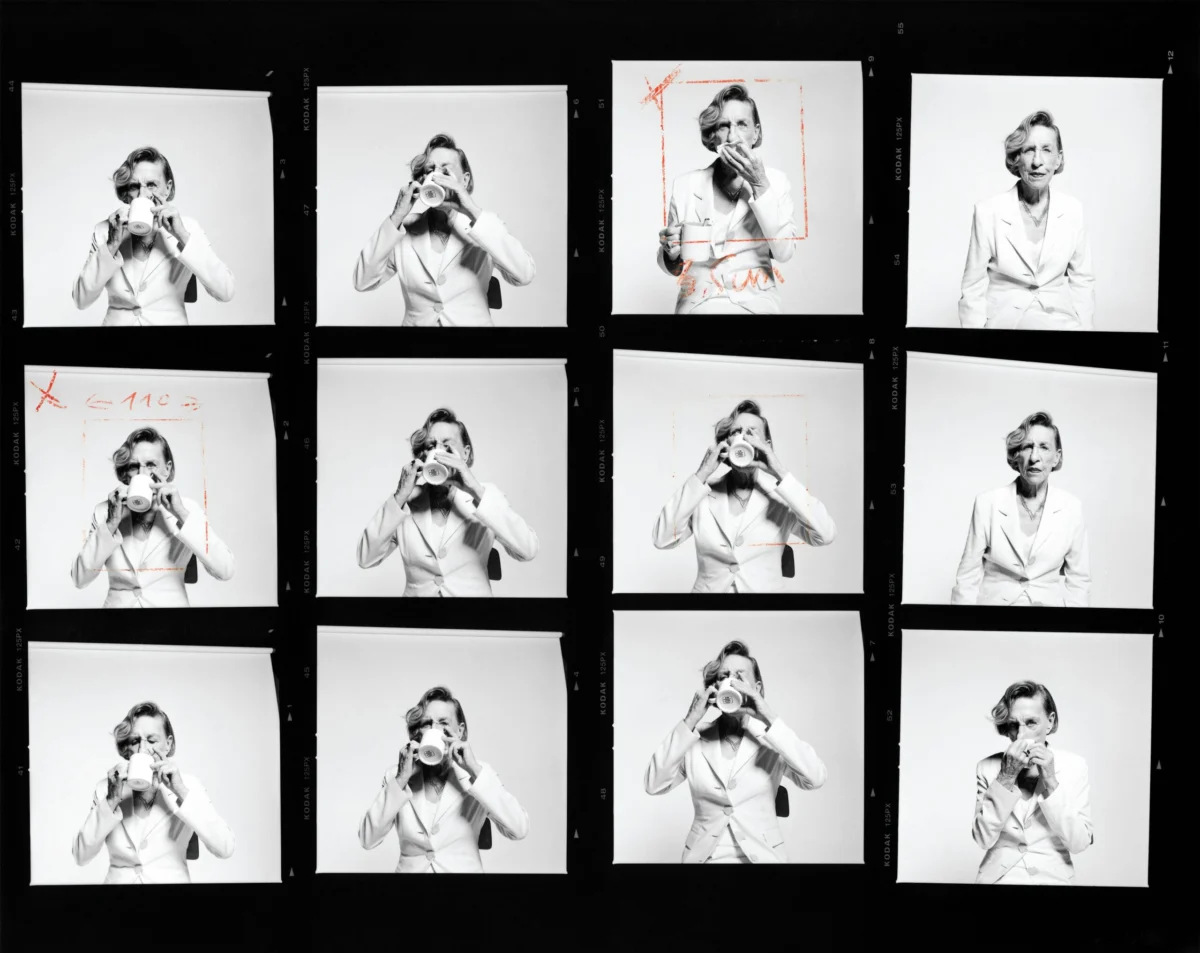
In the annals of interior design, certain figures transcend trends, leaving an indelible mark that continues to inspire generations. Andrée Putman, the visionary French designer whose centennial birth anniversary is being celebrated this year, stands as a towering testament to this enduring influence. Her groundbreaking work, particularly the transformative design of Morgans Hotel in 1984, cemented her reputation as a pioneer of the boutique hotel concept and earned her the coveted moniker, "La Reine du Damier," or the Queen of the Checkerboard. This iconic status, however, is merely a facet of a multifaceted career that redefined modern aesthetics through a blend of minimalist elegance, daring contrasts, and a profound understanding of atmosphere.
The Genesis of a Boutique Revolution: Morgans Hotel and the Checkerboard Statement
The story of Andrée Putman’s ascent to design stardom is intrinsically linked to a pivotal moment in hospitality history. In 1984, Ian Schrager and Steve Rubell, the dynamic duo behind the legendary Studio 54, approached Putman with a challenge that would redefine hotel design. As Putman herself recounted, they sought her out with a simple yet profound request: "There’s a rumor floating around that you know how to do bathrooms without marble." This statement, laced with the audacity characteristic of the Studio 54 era, revealed a desire for innovation, a departure from the opulent and often predictable luxury of the time.

Putman, ever the contrarian and a master of understated luxury, embraced the challenge. Instead of relying on the ubiquitous and expensive marble, she opted for a bold and democratic material: inexpensive black-and-white tiles. The guest bathrooms at Morgans Hotel, her inaugural hotel project, became a canvas for this distinctive vision. The striking, graphic grids of checkerboard tiles were not just a design choice; they were a statement. This daring use of a simple pattern in a prominent way created an unforgettable visual signature, instantly elevating the humble bathroom into a design focal point. This bold move not only saved costs but also introduced a sense of playful sophistication, a hallmark that would come to define Putman’s aesthetic and earn her the iconic nickname.
Morgans Hotel, now widely recognized as the world’s first true boutique hotel, was more than just a stylish accommodation; it was a paradigm shift. It demonstrated that luxury could be achieved through thoughtful design, creative material choices, and a curated atmosphere, rather than solely through ostentatious displays of wealth. Putman’s approach at Morgans laid the groundwork for a hospitality revolution, influencing countless hotels that followed, all seeking to replicate its intimate, design-forward charm.
A Legacy Reimagined: Reeditions and Collector’s Pieces
In the years since her groundbreaking work, Andrée Putman’s influence has only deepened. The centennial of her birth has spurred a renewed appreciation for her extensive body of work, encompassing everything from the elegantly appointed cabins of the Concorde supersonic jet to her own personal Paris loft. Her company, Ecart International, which she established to revive and reissue iconic Art Deco pieces by designers like Eileen Gray and Jean-Michel Frank, played a crucial role in reintroducing these timeless designs to a new audience before being sold in 1994 to Pierre Yovanovitch.

This year, under the stewardship of Aurélie Laure, CEO of the Andrée Putman brand, and Putman’s daughter, Olivia, the legacy is being actively revitalized. The brand, now rebranded as Andrée Putman Studio, is reintroducing over 60 of Putman’s iconic designs, offering a curated collection that reads like a retrospective of her prolific career. This initiative aims to bring Putman’s signature style and innovative spirit to a contemporary audience, bridging the gap between her influential past and the present day.
The reissued collections include pieces that have become synonymous with her design philosophy. The Compas Dans L’Oeil floor lamp, originally designed in 1988 and famously used in the guest rooms at Morgans Hotel, is once again available, embodying her knack for creating functional yet sculptural lighting. The Agenda de Ministre chair, specified for France’s Ministry of Culture in 1984, is also part of the new offerings, highlighting her ability to infuse even functional office furniture with an artistic sensibility.
A testament to her enduring appeal is the white-tile table conceived for graphic designer Jean-Paul Goude’s Paris home in 1992. This piece, initially a striking example of her high-low material mix, is now also offered in a limited-edition silver leaf, a sophisticated nod to her appreciation for both the accessible and the luxurious. This reinterpretation demonstrates a thoughtful approach to her archives, respecting the original intent while offering fresh perspectives.
The "Mille et un Carré" Table: A Symbol of Creative Ingenuity

The "Mille et un Carré" table, a prominent example of Putman’s design prowess, exemplifies her ability to transform humble materials into objects of desire. As depicted in the images accompanying this retrospective, the table, clad in Putman’s signature checkerboard tiles, graced the Paris dining room of Jean-Paul Goude in the early 1990s. This piece, a sophisticated iteration of her bathroom tile motif, showcases her consistent exploration of graphic patterns and tactile surfaces. The table’s resurgence in contemporary editions, including the aforementioned silver leaf version, underscores its timeless appeal and its relevance in today’s design landscape. It serves as a tangible reminder of her genius in elevating everyday materials through a unique artistic lens.
The Bedroom Sanctuary: Maximizing Space with Subtle Elegance
Beyond the iconic bathrooms, Putman’s design ethos extended to every facet of a space, demonstrating a holistic approach to creating atmospheres. The image of a bedroom tucked away behind elegant metallic gauze curtains offers a glimpse into her mastery of spatial design. This seemingly simple yet effective solution to maximize living space highlights her understanding of how to create intimacy and define areas within a larger footprint. The interplay of light and texture, achieved through the delicate gauze, speaks to her ability to imbue even functional elements with a sense of understated glamour. This approach to interior design, characterized by a refined yet practical sensibility, allowed her to create environments that were both aesthetically pleasing and highly livable.
A Classicist Approach to Minimalism: Reducing Decoration to Its Essence

The impact of Andrée Putman’s work extends far beyond her most famous projects. Her influence is deeply felt among contemporary designers, many of whom continue to draw inspiration from her restrained, sharp, and often surprising aesthetic. Rafael de Cárdenas, a prominent designer, eloquently captures this sentiment: "In my mind, she was greater than an interior designer; she created atmospheres." He further elaborates on her design philosophy, noting, "She had this classicist approach of reducing decoration to its bare minimum. There’s a subtlety to it that is so beguiling."
This classicist approach, rooted in an appreciation for form and proportion, allowed Putman to achieve maximum impact with minimal ornamentation. Her designs are characterized by a sense of calm and order, yet they are never sterile. Instead, they possess a quiet dynamism, a sophisticated tension that makes them endlessly engaging. This ability to strip away the superfluous and reveal the essential beauty of materials and forms is a hallmark of her genius and a key reason why her work continues to resonate.
The Bowery Connection: A Bridge Between Parisian Chic and New York Edge
The current revival of the Andrée Putman brand is not confined to reissuing past glories; it also involves a strategic expansion into new markets. The establishment of a new Paris showroom, followed by a space on Manhattan’s Bowery, signifies a deliberate effort to connect with a global audience. This particular location holds a special significance, as Putman herself once moved in circles that included artistic luminaries such as Jean-Michel Basquiat, Keith Haring, and Andy Warhol. Her daughter, Olivia, even spent a summer working from Basquiat’s studio in the vicinity, further deepening the brand’s connection to the vibrant downtown New York art scene of the 1980s. This geographical expansion and its symbolic resonance underscore the brand’s commitment to both its French heritage and its influential American narrative.

The "Voie Lactée" Rug: A Celestial Touchstone
Among the reissued pieces, the "Voie Lactée" rug, originally designed by Putman for her own home in 1978, stands out as a testament to her early explorations in textile design. This wool-and-silk creation, now available in contemporary editions, embodies a celestial elegance that continues to captivate. The name itself, meaning "Milky Way," hints at the cosmic inspiration behind its design, a subtle yet evocative touch that reflects Putman’s ability to infuse her work with poetic meaning. Its enduring presence in her personal space and its subsequent reintroduction speak volumes about its timeless quality and its ability to transcend fleeting trends.
The "Compas Dans L’Oeil" Lamp: A Functional Sculpture
The reissued "Compas Dans L’Oeil" floor lamp, originally designed in 1988, serves as another compelling example of Putman’s innovative spirit. Its distinctive form, reminiscent of a compass, highlights her fascination with geometric shapes and mechanical precision. This lamp was not merely an illumination device; it was a sculptural element that added character and sophistication to any space. Its inclusion in the guest rooms at Morgans Hotel further solidifies its place in design history, showcasing Putman’s ability to integrate functional objects seamlessly into her overarching design narratives. The lamp’s revival allows a new generation to experience the interplay of art and utility that defined her approach.

The "Crescent Moon" Sofa: An Emblem of Comfort and Style
The "Crescent Moon" sofa, pictured in a New York apartment circa 1985, is another piece that exemplifies Putman’s ability to blend comfort with distinctive style. Its soft, enveloping form suggests an invitation to relax, while its elegant silhouette speaks to a refined aesthetic. As part of the revived Andrée Putman Studio brand, this sofa offers a tangible connection to the design sensibilities of the 1980s, a period that saw a resurgence of interest in comfortable yet stylish furnishings. Its enduring appeal lies in its ability to evoke a sense of warmth and sophistication, making it a versatile addition to contemporary interiors.
Broader Implications and Enduring Influence
The enduring relevance of Andrée Putman’s work lies in its ability to transcend specific eras and styles. Her approach, characterized by a deep understanding of balance, proportion, and the power of subtle detail, continues to inform and inspire designers worldwide. As Elliott Barnes, who worked under Putman for 17 years, aptly observed, "She could take something out of its context and into another one. All of a sudden it became fresh and incredibly timeless." This ability to imbue everyday objects and materials with a new life and a timeless quality is the hallmark of a true design master.

The current reintroduction of her work through Andrée Putman Studio is not merely an act of preservation; it is a vibrant celebration of a legacy that continues to shape the way we think about space, form, and beauty. Her centennial serves as a powerful reminder that true design innovation lies not in chasing fleeting trends, but in cultivating a distinct vision and executing it with unwavering clarity and sophistication. The "Queen of the Checkerboard" may have built her empire on a foundation of simple tiles, but her enduring impact on the world of design is immeasurable and continues to unfold.

0 Comments