
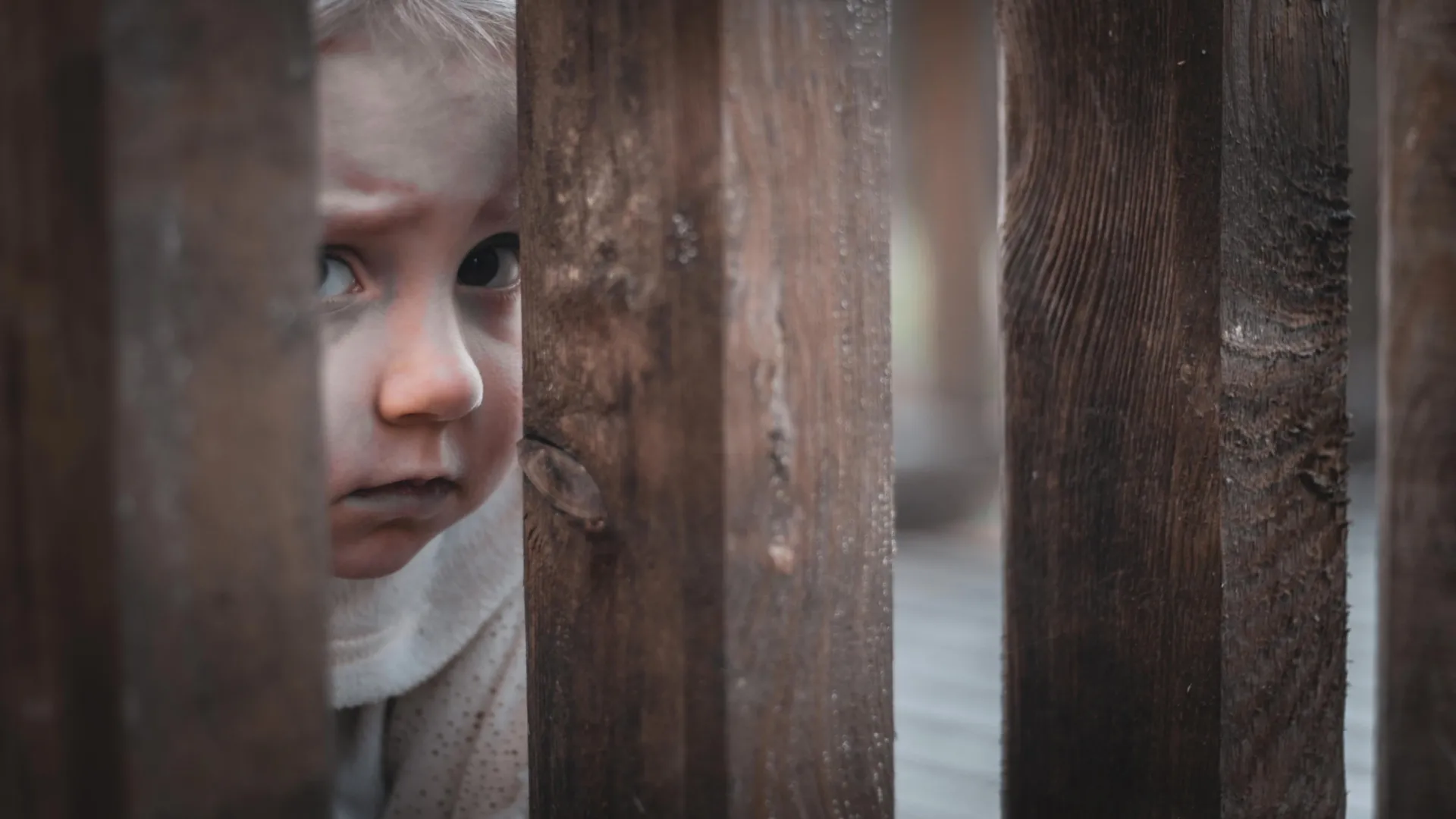
New research originating from a collaborative effort between SWPS University and the Nencki Institute of Experimental Biology has unveiled promising avenues for individuals grappling with the persistent effects of childhood criticism and the subsequent fear of failure. Published in the esteemed journal Frontiers in Psychology, these findings suggest that specific imagery-based psychotherapy techniques can effectively mitigate the emotional residue of early life adversities, fostering lasting psychological well-being. The study, conducted by scientists in Poznań and Warsaw, Poland, delves into the intricate relationship between early caregiver responses and adult emotional patterns, particularly focusing on how negative experiences can sculpt a deep-seated fear of inadequacy.
The implications of this research are profound, offering a beacon of hope for individuals whose quality of life and emotional landscape have been shaped by challenging formative years. Difficult experiences, including parental neglect, harsh criticism, or overly punitive reactions from caregivers, can cast a long shadow, influencing emotional regulation and self-perception well into adulthood. The study posits that a critical period for the development of these lasting emotional patterns occurs during childhood, specifically in how caregivers respond to a child’s mistakes. When a child internalizes the message that errors equate to diminished worthiness, it can foster a potent fear of failure, acting as a significant impediment to personal and professional growth.
The Genesis of Fear: Childhood Criticism and Its Lasting Echoes
Early childhood is a foundational period for the development of self-esteem and emotional resilience. During these formative years, children are highly attuned to the reactions of their primary caregivers, interpreting their responses as validation or condemnation of their worth. Criticism, when delivered harshly or excessively, can be particularly damaging, leading a child to internalize a core belief that they are inherently flawed or inadequate. This can manifest as a pervasive fear of making mistakes, as each error is perceived not just as a misstep, but as a confirmation of their perceived unworthiness.
This learned response can create a self-perpetuating cycle. In adulthood, individuals who experienced such criticism may become overly cautious, avoiding challenges and opportunities that carry even a small risk of failure. This avoidance, while seemingly protective, can stifle personal growth, limit career advancement, and contribute to a general sense of dissatisfaction and anxiety. The emotional toll can be significant, leading to heightened stress, reduced self-confidence, and a diminished capacity for joy and fulfillment. Understanding the neurological and psychological mechanisms behind this phenomenon is crucial for developing effective interventions.
Pioneering a New Approach: Imagery-Based Psychotherapy in Focus
Recognizing the persistent impact of these early experiences, researchers at the Laboratory of Affective Neuroscience at the Institute of Psychology, SWPS University, in Poznań, and the Laboratory of Brain Imaging at the Nencki Institute of Experimental Biology in Warsaw embarked on a rigorous investigation. Their objective was to ascertain whether innovative imagery-based psychotherapy techniques could effectively decouple painful childhood memories from their debilitating emotional consequences in adulthood. This scientific endeavor sought to move beyond simply acknowledging the problem to actively developing and testing tangible solutions.
The study employed a randomized, controlled clinical trial, a gold standard in research methodology, to ensure the validity and reliability of its findings. A cohort of 180 young adults, aged between 18 and 35 years, who reported experiencing a significant fear of failure, were recruited for participation. This age group was specifically chosen as it represents a period of significant life transitions, including career development and relationship building, where the impact of fear of failure can be particularly pronounced. Over a two-week period, participants engaged in four focused therapy sessions, each designed to address difficult childhood memories characterized by criticism.
A Comparative Analysis of Therapeutic Interventions
The research design ingeniously incorporated three distinct groups to compare the efficacy of different therapeutic approaches:
-
Imagery Exposure (IE) – Active Control Group: Participants in this group were instructed to vividly recall situations from their childhood that had previously triggered fear or anxiety. This technique served as an active control, allowing researchers to gauge the impact of simply revisiting distressing memories without specific modification. While potentially cathartic for some, the primary aim here was to provide a baseline for comparison against more active intervention techniques.
-
Imagery Rescripting (ImRs) – Core Intervention Group: This group received a more targeted intervention known as Imagery Rescripting. The core principle of ImRs is to actively alter the narrative and emotional valence of distressing memories within the imagination. Participants were guided to bring a painful childhood experience to mind and then, crucially, to imagine a supportive figure, such as a therapist or a nurturing adult, entering the scene. This imagined intervener would then confront the source of the criticism and offer comfort and validation to the child experiencing the distress. This process aims to create a new, positive emotional resolution to the original traumatic event.
-
Imagery Rescripting with Delayed Scripting and Rescripting (ImRs-DSR) – Enhanced Intervention Group: A third group underwent a modified version of Imagery Rescripting, incorporating a 10-minute delay procedure before the rescripting element. This "DSR" (Delayed Scripting and Rescripting) component was theorized to interfere with the immediate recall and emotional activation of the memory trace associated with the critical experience. By introducing a temporal buffer, researchers hypothesized that this delay might enhance the memory reconsolidation process, making it more receptive to the new, positive information introduced during the rescripting phase, and thereby amplifying the intervention’s effects.
Measuring the Impact: Physiological and Psychological Assessments
To comprehensively assess the impact of these interventions, researchers employed a multi-faceted evaluation strategy. Participants completed detailed questionnaires and engaged in in-depth interviews at various stages of the study. These qualitative and quantitative measures provided insights into their subjective experiences, emotional states, and perceived changes in their fear of failure.
Beyond self-report, physiological measures were meticulously tracked. This included monitoring stress responses, such as heart rate variability and skin conductance, to objectively gauge the body’s reaction to recalling critical childhood memories. The hypothesis was that successful therapeutic interventions would lead to a measurable reduction in physiological arousal when confronting these past events.
The evaluation process was not limited to the immediate post-intervention period. Crucially, follow-up assessments were conducted at three and six months following the completion of the therapy sessions. This longitudinal approach was vital to determine the durability of any observed effects, ensuring that the improvements were not merely transient but represented genuine, lasting change.
Unveiling the Results: Significant Reductions in Distress
The findings from this comprehensive study were remarkably encouraging. All of the imagery-based therapeutic approaches, including both ImRs and ImRs-DSR, demonstrated a significant and sustained reduction in participants’ fear of failure. This suggests that actively engaging with and modifying traumatic memories through imagination can yield tangible benefits.
Beyond the primary outcome of reduced fear of failure, participants also reported a notable decrease in other negative emotions, such as sadness and guilt. This indicates a broader positive impact on their overall emotional well-being, suggesting that the interventions addressed not just the fear itself, but the underlying emotional distress associated with the critical childhood experiences.
The physiological data corroborated the self-reported improvements. Researchers observed a marked decrease in the intensity of physiological reactions when participants recalled memories of criticism. This indicates that the traumatic memories no longer triggered the same level of acute stress response, signifying a successful desensitization to past emotional triggers. The stability of these improvements was further underscored by the consistent findings during the three- and six-month follow-ups, providing strong evidence for the long-term efficacy of these psychological interventions.
The Power of Surprise: Prediction Error and Therapeutic Change
One of the most intriguing discoveries from the study was the identification of a key factor contributing to the success of Imagery Rescripting: the element of surprise. The researchers observed that ImRs tended to be particularly effective when it elicited a moment of unexpectedness for the participant. This phenomenon was linked to the concept of "prediction error," a neurocognitive principle that describes the discrepancy between what an individual anticipates and what actually occurs.
In the context of ImRs, the surprise arises when the imagined narrative deviates significantly from the original, painful memory. For instance, when the imagined defender intervenes and offers support, it creates a stark contrast to the reality of the criticism the child actually experienced. This unexpected positive outcome, embedded within the imagined memory, appears to disrupt established, negative emotional patterns. It effectively "loosens" the rigid association between the memory and its associated distress, making the mind more receptive to forming new, healthier emotional responses.
Co-author Stanisław Karkosz, a cognitive scientist from SWPS University, elaborated on this critical insight: "We have shown that a crucial part of imagery-based therapy is creating a discrepancy between what the patient expects and what actually happens in the new memory. It is this surprise that paves the way for a lasting therapeutic change." This finding highlights the importance of novelty and unexpected positive outcomes in rewiring the brain’s emotional circuitry.
Reclaiming the Past: Moving Beyond Fixed Emotional States
The implications of this research extend far beyond the immediate benefits for individuals participating in the study. The findings strongly suggest that imagery-based techniques offer a powerful toolkit for individuals to actively reframe and rewrite their past experiences. By allowing individuals to construct new, safe, and supportive endings to distressing childhood narratives, these therapies can fundamentally alter how past traumas are experienced and processed.
Crucially, the study challenges the notion that difficult memories are immutable and destined to haunt individuals indefinitely. Julia Bączek, a psychologist and co-author from SWPS University, emphasized this point: "The study shows that it is possible to reduce the intensity of negative emotions and arousal associated with memories of childhood criticism. Properly selected techniques can influence how these memories are experienced, making them less burdensome." This perspective underscores that while past events cannot be erased, their emotional impact can be significantly diminished and transformed.
The research offers a compelling argument that painful memories, including those directly linked to failure, do not need to remain emotionally fixed. Through targeted therapeutic interventions, individuals can learn to process these memories in new ways, ultimately liberating themselves from the constraints of past adversities and paving the way for a more resilient and fulfilling future. The scientific community anticipates that these findings will inspire further research and clinical applications of imagery-based therapies, offering a powerful and accessible pathway to healing for many.

0 Comments