
The landscape of modern parenting has become increasingly complex, marked by a pervasive drive to optimize every variable, from sleep cycles and feeding schedules to room temperature and wake windows. This quest for perfection, often fueled by an abundance of data-tracking technologies and a relentless flow of online information, has inadvertently led many new parents into a spiral of anxiety and self-doubt, rather than the promised clarity. This phenomenon, where the principles of data-driven efficiency, honed in the tech startup world, are applied to the inherently unpredictable journey of raising a child, is creating a new challenge for contemporary families.

The Genesis of Parental Perfectionism: A Case Study in Data-Driven Parenting

The personal journey of Nicole C. Lehmann-Haupt, a San Francisco-based growth marketer, vividly illustrates this modern dilemma. Just two months into her daughter’s life, Lehmann-Haupt found herself awake in the pre-dawn hours, consumed by a single variable: her baby’s sleep sack TOG rating. The room temperature was 72 degrees, yet the sleep sack, with its TOG rating of two, was deemed suitable for a cooler 64 to 68 degrees. This seemingly minor discrepancy ignited a cascade of frantic questions: Was she overheating her child? Was this the correct chart? How should she accurately gauge her baby’s temperature? This moment of intense investigation and anxiety brought a stark realization: if such a fundamental aspect of baby care demanded this level of scrutiny and distress, how was she to navigate the entirety of motherhood?

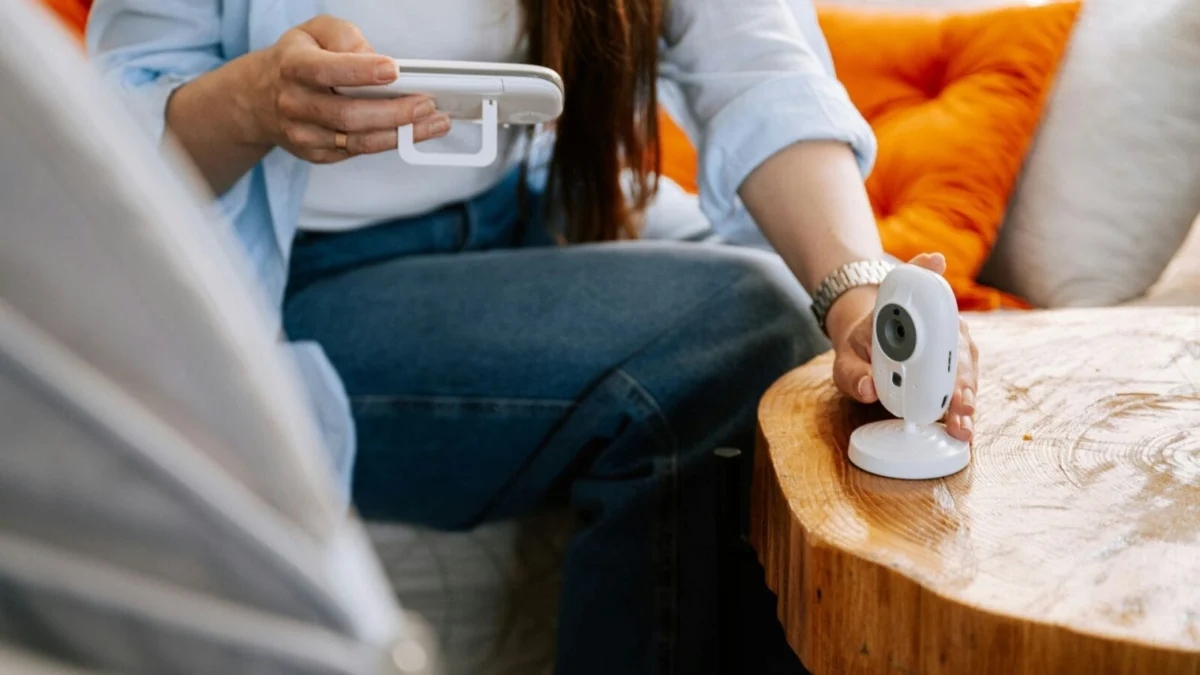
Lehmann-Haupt’s professional background instilled in her a deep-seated belief in the power of data and iterative improvement. In the tech world, success often hinges on measuring baselines, deploying tests, analyzing outcomes, and refining variables to achieve desired results. This methodology, she recounts, seemed a logical blueprint for approaching parenthood. Consequently, she and her husband invested in a suite of advanced baby technologies: a bassinet designed to mimic the womb, a camera monitoring sleep cues and growth, a vital-tracking bootie, and a machine for precisely warmed formula. An app subscription meticulously logged every detail of their daughter’s daily routine, supplemented by charts for wake windows, feeding volumes, and growth milestones. This arsenal of gadgets and data points represented their attempt to "optimize" their way into prepared parenthood.

A Broader Trend: The Digitalization of Child-Rearing

Lehmann-Haupt’s experience is far from isolated. Over the past decade, the market for "smart baby" products and data-driven parenting tools has exploded. Industry reports indicate a compound annual growth rate (CAGR) of over 15% in the smart baby monitor market alone, projected to reach billions globally by the late 2020s. Beyond hardware, parenting apps offering sleep training programs, feeding trackers, developmental milestone guides, and even AI-powered advice have become ubiquitous. These tools, often marketed with promises of enhanced safety, improved sleep, and optimized development, tap into a deep-seated parental desire for control and certainty in an inherently uncertain endeavor.

Sociologists and child development experts point to several factors contributing to this trend. The rise of "intensive parenting," where parents are expected to dedicate significant time, energy, and financial resources to their children’s upbringing, creates fertile ground for solutions that promise efficiency and measurable success. Furthermore, the pervasive influence of social media often showcases idealized, curated versions of parenthood, implicitly pressuring parents to meet seemingly unattainable standards. In this environment, data becomes a perceived shield against judgment and a metric for success.

The Psychological Toll of Over-Optimization

While the intention behind these technologies is often benevolent – to empower parents with information and convenience – the psychological impact can be counterproductive. Psychologists report a significant increase in parental anxiety and burnout, particularly among new mothers. A 2023 study published in Pediatrics indicated that new parents who extensively used baby monitoring apps reported higher levels of stress and anxiety compared to those who relied more on intuitive parenting. The constant influx of data, rather than alleviating worry, can transform normal variations in infant behavior into sources of intense concern.

"The paradox is that while technology aims to simplify and inform, it can also create an ‘analysis paralysis’ where parents become so focused on the data that they lose touch with their innate parental instincts," explains Dr. Lena Petrova, a developmental psychologist specializing in early childhood, in a recent online seminar. "Every dip in oxygen, every minute deviation from a ‘perfect’ sleep schedule, can trigger disproportionate alarm, leading to sleep deprivation for parents and a diminished ability to simply be with their child."

This "decision fatigue" extends beyond health metrics. Parents grapple with conflicting advice from various apps, online forums, and even well-meaning relatives. The internet, while a vast resource, often presents a "firehose of information" without the critical filter of personalized context or professional guidance, leaving parents feeling overwhelmed and inadequate.

A Turning Point: Reclaiming Intuitive Parenthood

For Lehmann-Haupt, a pivotal moment arrived when her daughter developed a cold. The baby struggled to eat and could only sleep upright, held against her mother’s chest. In that exhausted, quiet night, all the high-tech gadgets and data charts faded into irrelevance. There was no need for an app to track when her daughter last ate or slept; Lehmann-Haupt was intimately aware because she was present, holding her.

"She needed me to hold her that night, and that’s what I did," Lehmann-Haupt reflected. "As she slept peacefully, I gazed out of the window and up at the stars, feeling simultaneously exhausted and grateful."

This simple act of attuned, responsive care brought a profound realization: the relentless pursuit of optimizing every variable had obscured what truly mattered – the immediate, complex, and evolving needs of her child. She recognized that her months had been spent attempting to master data patterns, while the infinitely more complex and unique individual she needed to understand was right in front of her. This revelation offered immense relief and better equipped her for the inherent unpredictability of motherhood.

Expert Perspectives on Balance and Well-being

Child development specialists increasingly advocate for a balanced approach, encouraging parents to utilize technology as a tool, not a master. "Technology can be incredibly useful for specific purposes, such as tracking medication or communicating with a partner about schedules," states Dr. Marcus Thorne, a pediatrician and author of several books on modern parenting. "However, when it replaces a parent’s intuitive observation or causes excessive stress, it crosses a line. We need to remember that babies thrive on connection and responsiveness, not just optimized metrics."

Professor Anya Sharma, a researcher in digital health and family dynamics, highlights the importance of "digital detoxes" for parents. "Just as we advise limiting screen time for children, parents also benefit from consciously disengaging from constant monitoring. This allows for greater mindfulness, strengthens the parent-child bond, and reduces the mental load associated with constant data analysis."

The shift towards intuitive parenting emphasizes trusting one’s instincts, observing the child directly, and responding to their cues in a holistic manner. It acknowledges that a child’s needs are dynamic and cannot always be captured or predicted by algorithms.

Implications for the Future of Parenting and Technology

The lessons learned by parents like Lehmann-Haupt suggest a burgeoning counter-movement against hyper-optimized parenting. While technology will undoubtedly continue to evolve, there’s a growing awareness that its integration into family life needs to be mindful and serve parental well-being, rather than detract from it.

The implications are far-reaching:

- Mental Health: A greater emphasis on parental mental health, recognizing that the pressure to optimize can be detrimental. This may lead to new support systems and educational resources that de-emphasize perfection.
- Child Development: A renewed focus on the qualitative aspects of parent-child interaction, such as responsive caregiving, free play, and emotional connection, over quantitative metrics.
- Technology Design: Future parenting technologies may evolve to be more supportive and less intrusive, perhaps offering insights and suggestions rather than prescriptive data overload, and integrating features that encourage parental intuition.
- Societal Shift: A broader cultural conversation about what "good parenting" truly means, moving away from a competitive, achievement-oriented model towards one that values connection, resilience, and genuine presence.
Ultimately, the journey of motherhood, or parenthood in general, is a continuous learning process marked by shifts and unpredictability. While Lehmann-Haupt acknowledges her inherent tendency to seek information, her experience has taught her the crucial distinction between useful data and overwhelming noise. By consciously setting aside the smartwatch and iPhone, and joining her child in moments of unstructured play and connection, she embodies the emerging understanding that the most profound insights into parenting often come not from screens, but from the simple, unmeasured presence with the small person right in front of you. This recalibration promises a more authentic, less anxious path through the beautiful chaos of raising a family.

0 Comments