
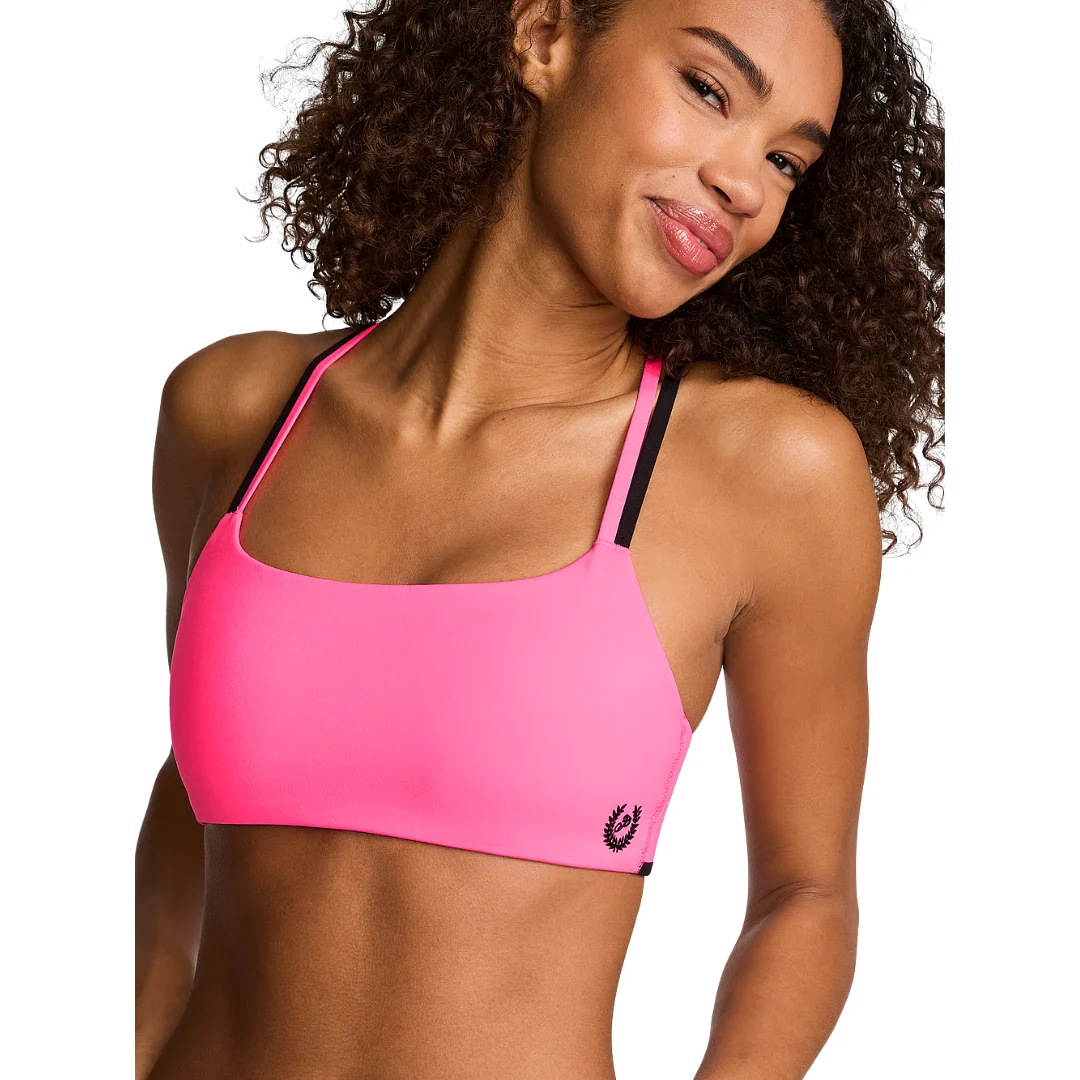
The transition into adolescence marks a significant developmental milestone characterized by rapid physiological changes and the need for new wardrobe essentials. For many parents and guardians, the process of shopping for a teenager’s first bras is often viewed with a mixture of trepidation and logistical concern. However, industry experts and child development specialists emphasize that this period offers a unique opportunity to foster body confidence and autonomy. By focusing on comfort, functionality, and open communication, the experience can be transformed from a potentially awkward encounter into a supportive rite of passage.

As the global teen apparel market continues to evolve, manufacturers are increasingly prioritizing inclusive sizing, sustainable materials, and sensory-friendly designs. This shift reflects a broader societal movement toward body positivity and the rejection of traditional, often restrictive, lingerie standards. Today’s market offers a diverse array of options ranging from high-performance sports bras to seamless bralettes, ensuring that every teenager can find a product that aligns with their physical needs and personal identity.
The Physiological and Psychological Context of Adolescent Development
The onset of puberty, specifically thelarche—the beginning of breast development—typically occurs between the ages of 8 and 13. According to data from the American Academy of Pediatrics, this stage is often accompanied by physical sensitivity and a heightened sense of self-consciousness. During this time, the primary function of a bra is not necessarily structural support, but rather coverage and comfort to mitigate the discomfort of developing breast buds.

Psychologically, the introduction of undergarments represents a shift in how adolescents perceive their bodies in relation to their peers. Research into adolescent consumer behavior suggests that teenagers value autonomy in their clothing choices. When parents allow their children to lead the conversation regarding when they are ready for a bra, it reinforces a sense of bodily agency. Conversely, forcing the transition before a child feels ready can lead to unnecessary friction. Experts suggest that normalization is the most effective strategy; treating the purchase of a bra with the same practicality as buying new shoes or school supplies helps de-stigmatize the process.
Market Evolution: From "Training Bras" to Inclusive Design
The term "training bra" has largely fallen out of favor in professional retail circles, replaced by more descriptive and functional categories such as "bralettes" and "seamless basics." Historically, the market was dominated by a limited range of sizes and styles that often mirrored adult lingerie in a way that many found inappropriate for younger consumers.

In the last decade, however, the industry has undergone a significant transformation. Brands like Aerie, TomboyX, and Bleuet have pioneered a "real-body" approach, utilizing models of various sizes, abilities, and gender expressions. This inclusivity is not merely a marketing tactic but a response to data showing that Gen Z and Alpha consumers prioritize authenticity and social responsibility. Furthermore, the integration of advanced textile technology—such as moisture-wicking fabrics and 360-degree stretch—has raised the standard for what constitutes a "quality" beginner bra.
A Comprehensive Analysis of Top-Rated Teen Bras by Category
To assist parents in navigating the vast array of available products, the following analysis categorizes the leading options based on material composition, support level, and specific use cases.

Best Overall Performance: The Neiwai Barely Zero Scallop Clasp Bra
The Neiwai Barely Zero collection has gained a significant following for its "one-size-fits-most" technology. For a teenager whose body is in a state of constant flux, this flexibility is invaluable. The fabric is a blend of polyamide and spandex, providing a "second-skin" feel that eliminates the digging and pinching associated with traditional underwires. The inclusion of a back clasp allows for easy adjustability, while the scalloped edges provide a subtle aesthetic appeal without compromising the bra’s invisibility under clothing.
Superior Comfort and Sensory Sensitivity: Knix Logo Rib Modal Bralette
For adolescents with sensory processing sensitivities or those who simply prioritize softness, the Knix Logo Rib Modal Bralette is a standout. Modal, a bio-based fabric made from beech tree cellulose, is known for being significantly softer than cotton and more breathable than many synthetic alternatives. The deep V-neckline and wide size range (XS to XXXXL++) ensure that this bra can accommodate a wide variety of body types and clothing styles.

Everyday Versatility: Bleuet Bleum Seamless Reversible Bralette
Bleuet has carved a niche by focusing exclusively on the needs of tweens and teens. Their seamless reversible bralette is designed to be dual-functional, offering two colors in one garment. The absence of seams is critical for preventing skin irritation, a common complaint among new bra wearers. Additionally, the brand emphasizes environmentally responsible manufacturing, which resonates with the values of modern young consumers.
Sustainability and Natural Fibers: Quince Organic Cotton Scoop Bralette
As environmental concerns become a primary driver in consumer habits, the Quince Organic Cotton Scoop Bralette offers an ethical and affordable solution. Made from GOTS-certified organic cotton, this bra provides the breathability of natural fibers with enough spandex to maintain its shape. It is particularly suited for lounging or school days where light support is required.

Performance and Athletics: PINK Relay and Athleta Girl Upbeat Bra
For the active teenager, sports bras are a non-negotiable staple. The PINK Relay Square-Neck Sports Bra utilizes sweat-wicking, four-way stretch fabric that is ideal for gym classes and light sports. For higher-impact activities, the Athleta Girl Upbeat Bra offers a more compressive fit and a racerback design that allows for a full range of motion. Both brands prioritize "stay-put" technology to ensure the wearer does not have to constantly adjust their garment during physical exertion.
Cultural Impact and Branding: SKIMS and Calvin Klein
Branding remains a powerful influence in adolescent fashion. The SKIMS Fits Everybody Scoop Bralette has achieved "cult-favorite" status due to its buttery-soft material and its association with contemporary pop culture. Similarly, the Calvin Klein Kids’ Bralette maintains the iconic logo-waistband aesthetic that has remained popular for decades. While these options are often chosen for their brand recognition, they also offer reliable construction and durable fabrics.

Inclusivity and Gender-Neutral Options: TomboyX Essentials Soft Bra
TomboyX has revolutionized the undergarment industry by creating products designed for "hundreds of bodies." Their Essentials Soft Bra is a preferred choice for gender-fluid, non-binary, and trans youth, as well as those who prefer a more utilitarian and less "feminine" aesthetic. The brand’s commitment to ethical production and its wide size range (up to 6X) make it a leader in the movement for universal comfort.
Materials Science: Why Fabric Choice Matters
When selecting a bra for a teenager, the material is often more important than the style. Adolescents often have more sensitive skin than adults, and the hormonal changes associated with puberty can lead to increased perspiration.

- Cotton: The gold standard for breathability and hypoallergenic properties. However, it lacks the "memory" of synthetic fibers and may sag over time.
- Modal and Tencel: These semi-synthetic fibers are highly absorbent and exceptionally soft, making them ideal for all-day wear.
- Nylon and Spandex Blends: These provide the necessary stretch and support for sports and activewear. High-quality blends, such as Lululemon’s Nulu fabric, offer a weightless sensation while maintaining durability.
- Recycled Synthetics: Many brands (Subset, Fabletics, Aerie) are now utilizing recycled polyester and nylon to reduce their carbon footprint, offering a sustainable alternative that does not sacrifice performance.
Navigating the Parent-Teen Dynamic: A Strategic Approach
The logistical act of purchasing a bra is often secondary to the emotional navigation required. Psychologists suggest that parents should adopt a "consultant" role rather than a "manager" role. This involves providing the resources and budget while allowing the teenager to make the final selection.
Online shopping has emerged as a preferred method for many families, as it allows the teenager to browse and try on items in the privacy of their own home, away from the perceived pressure of a retail fitting room. Furthermore, many modern brands now use diverse models that reflect realistic body types, which can help mitigate the body dysmorphia often exacerbated by traditional fashion advertising.

If a teenager is resistant to the idea of wearing a bra despite physical changes, parents are encouraged to be patient. Utilizing "minimizing" clothing strategies—such as wearing busy prints, layers, or thicker fabrics—can provide a middle ground until the child feels comfortable transitioning to a dedicated undergarment.
Economic Implications and Long-Term Value
The cost of teen bras varies significantly, from $9 for a multi-pack at Target to over $70 for a high-end underwire bra from ThirdLove. While the initial investment may seem high for a garment that will eventually be outgrown, the long-term value lies in the durability and the psychological comfort it provides. High-quality bras tend to retain their elasticity through multiple washes, whereas lower-cost options may lose their supportive properties within months.

Furthermore, as the "circular economy" gains traction, some brands are introducing recycling programs for old undergarments, allowing families to dispose of outgrown bras responsibly. This focus on the lifecycle of the product is expected to become a standard feature of the teen apparel market in the coming years.
Conclusion: Empowering the Next Generation
The journey of finding the best bras for teens is a multifaceted process that involves understanding physiology, staying abreast of market trends, and maintaining open lines of communication. By prioritizing comfort and autonomy, parents can ensure that this developmental milestone is met with confidence rather than embarrassment. As the industry continues to innovate with better fabrics and more inclusive designs, the focus remains clear: providing adolescents with the support they need to navigate their changing worlds with ease.

0 Comments