
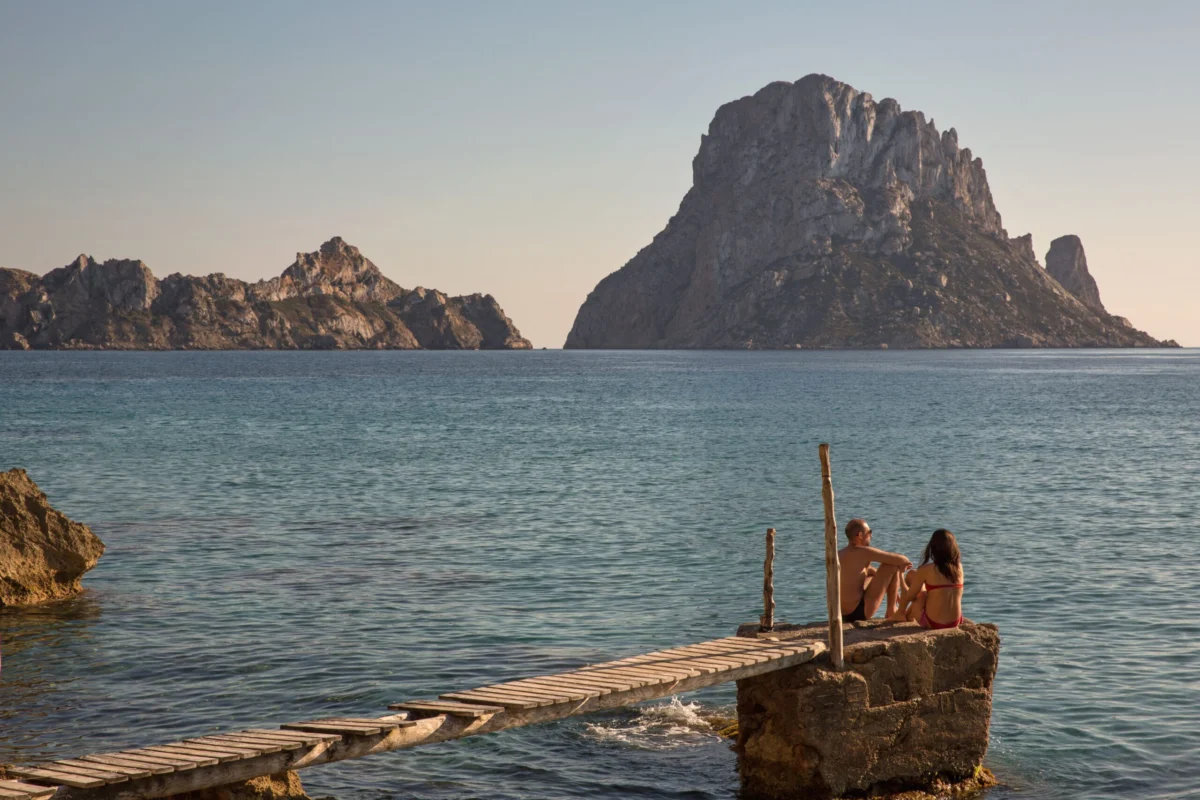
Ibiza, the third largest of Spain’s Balearic Islands, has long occupied a singular space in the global imagination as a bastion of hedonism and unrestrained expression. Originally a sanctuary for Phoenician salt traders, and later a refuge for 1960s-era hippies, artists, and political outcasts, the "White Isle" has undergone a radical transformation over the last four decades. Today, it is a global epicenter for electronic dance music, characterized by superclubs that command six-figure table minimums and entry fees exceeding €100. However, beneath the veneer of theatrical production and gold-leaf-wrapped sushi lies a complex social ecosystem governed by unwritten rules, environmental mandates, and a local culture that persists long after the summer season concludes.
The Evolution of the Balearic Identity
The historical trajectory of Ibiza is essential to understanding its current socio-economic climate. In the mid-20th century, the island was an agrarian society, largely isolated from mainland Spain’s industrialization. The arrival of the "Peluts" (the hairy ones) in the 1960s introduced a counter-cultural element that valued spontaneity and communal living. This period established the "anything goes" ethos that remains a marketing pillar for the island today.

By the 1980s, this bohemian spirit merged with the burgeoning house music scene, giving birth to the "Balearic Beat." Venues like Pacha, which opened in 1973 in a converted farmhouse, and Amnesia, established in 1974, transitioned from local hangouts to international landmarks. According to data from the Balearic Institute of Statistics (IBESTAT), the islands now receive over 15 million tourists annually, with Ibiza accounting for a significant portion of the high-spend luxury demographic. This influx has created a dual economy: one driven by the high-octane nightlife industry and another rooted in the island’s traditional "payés" (peasant) heritage, which emphasizes land stewardship and family-run enterprises.
The Regulatory Landscape and Noise Ordinances
As Ibiza’s popularity has surged, so too has the friction between the tourism sector and the local population. The Balearic government has responded with increasingly stringent regulations designed to preserve the island’s tranquility and ecological integrity. One of the most significant shifts in recent years involves the enforcement of noise pollution laws. Under Spanish Law 37/2003, local authorities have the power to shut down events and issue substantial fines for unauthorized sound levels.
The enforcement of these laws reached a flashpoint in 2024 when the American DJ Diplo was fined €300,000 for hosting an illegal party at the Cala d’Hort viewpoint. The site, which overlooks the iconic Es Vedrà rock formation, is an environmentally protected area. Local officials stated that the fine was intended to serve as a deterrent against "impromptu" events that bypass safety permits and ecological assessments. This incident underscores a broader shift: spontaneity in Ibiza is now a regulated commodity. Even private villas are subject to strict sound limits, with police frequently conducting midnight patrols to monitor after-parties that disturb the surrounding rural communities and livestock.

Environmental Stewardship: The Posidonia Legacy
A critical component of Ibiza’s appeal is its crystalline turquoise water, a phenomenon directly linked to the Posidonia oceanica seagrass meadows. These ancient underwater forests, some of which are estimated to be over 100,000 years old, act as natural filtration systems and carbon sinks. In 1999, UNESCO designated the Ibiza-Formentera channel as a World Heritage Site specifically to protect this biological treasure.
For visitors, this designation carries practical implications. Maritime authorities have intensified the monitoring of boat anchors, which can devastate seagrass beds in seconds. Captains found anchoring in protected zones face fines ranging from €600 to €30,000. Furthermore, there is a growing movement within the local community to move away from the "infinity pool" perception of the Mediterranean, advocating instead for a "leave no trace" approach to the island’s coves (calas).
The Logistics of a High-Demand Island
Despite its reputation for luxury, Ibiza’s infrastructure often struggles to meet the demands of the peak summer season (July and August). The island’s transportation network is a primary point of contention. While ride-sharing services like Uber have recently been permitted to operate, their presence remains limited due to local licensing restrictions and fierce opposition from the taxi union.

In 2023, transport data indicated that during peak hours, wait times for a licensed taxi could exceed two hours at major hubs like Playa d’en Bossa and San Antonio. Furthermore, the island’s geography is deceptive. Distances that appear short on a map often involve navigating narrow, winding red-dirt roads that can turn a ten-minute drive into a forty-minute expedition. Travel experts suggest that visitors must prioritize logistical organization, often booking private drivers weeks in advance to avoid being stranded after club closing times.
The Culinary Dichotomy: From Instagram to Tradition
The dining scene in Ibiza reflects its economic stratification. On one end are the beach clubs of Es Cavallet and Cala Jondal, where a single lunch can cost hundreds of euros and reservations are facilitated through high-end concierge services. On the other are the "chiringuitos" and family-run grill restaurants that form the backbone of the island’s culinary identity.
Establishments like Camí de Balàfia, located in the island’s northern interior, represent the "real soul" of Ibiza. Here, menus are limited to wood-fired meats and a specialized tomato salad, and the staff consists of multiple generations of the same family. Similarly, the legendary El Bigote in Cala Mastella maintains a rigid tradition: two sittings for lunch, with the famous fisherman’s stew (bullit de peix) served only at the 2:30 p.m. slot. These venues do not rely on social media marketing; instead, they operate on a system of phone-only reservations that are often booked out a month in advance. The paradox of modern Ibiza is that the more "low-key" an experience appears, the more forward planning it typically requires.

Social Etiquette and the "No-Phone" Movement
The social fabric of Ibiza is governed by a set of etiquette rules that separate the seasoned traveler from the "party tourist." In recent years, a "no-phone" movement has gained traction in many of the island’s most respected venues. Clubs like Pikes Ibiza and certain nights at Pacha have implemented policies encouraging guests to keep their phones in their pockets, or even placing stickers over camera lenses. The objective is to restore the dance floor as a space for presence and anonymity, rather than a backdrop for digital content creation.
Furthermore, the concept of the VIP section is undergoing a cultural re-evaluation. While high-spending tables provide a significant portion of a club’s revenue, security teams have become less tolerant of disruptive behavior. "VIP is a privilege, not a right," is a common refrain among island fixers. Dress codes have also seen a return to formality in premium areas, with many venues strictly prohibiting flip-flops and swimwear after sunset.
Economic Impact and Future Outlook
The sustainability of Ibiza’s tourism model is a subject of intense debate among local policymakers. Tourism accounts for approximately 80% of the island’s GDP, but the "touristification" of residential areas has led to a housing crisis for essential workers, including teachers, nurses, and hospitality staff. In response, the Council of Ibiza (Consell Insular) has introduced measures to limit the number of tourist beds and has increased the "Sustainable Tourism Tax" (Eco-tax) levied on hotel stays.

The future of Ibiza likely lies in a shift toward "slow tourism"—encouraging visitors to explore the island during the shoulder seasons of May, June, September, and October. During these months, the focus shifts from the superclubs to the island’s 210 kilometers of coastline, its artisanal markets, and its burgeoning wellness sector.
Conclusion
Ibiza remains an island of profound contradictions. It is a place where the world’s most famous DJs perform for audiences of thousands, yet a ten-minute drive away, a multi-generational farming family might be harvesting carob beans in total silence. To truly experience the island is to navigate these two worlds with respect. Understanding that the beach club is not the beach, that the sea is a protected heritage site, and that the local community is a permanent fixture rather than a temporary service staff is essential for any visitor. By adhering to the island’s unwritten rules and respecting its environmental and social boundaries, travelers can find the "real soul" of Ibiza—a soul that persists long after the music stops and the strobe lights fade.

0 Comments