
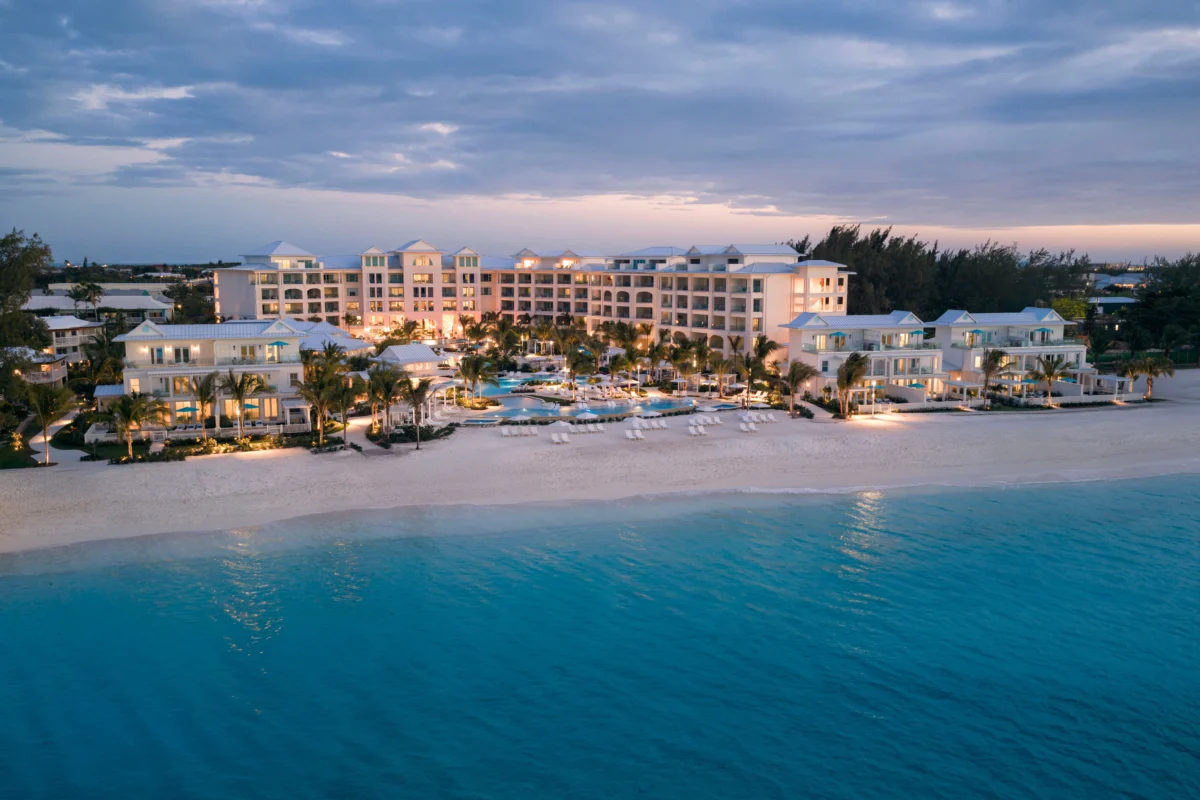
Beaches Resorts has been recognized in Condé Nast Traveler’s Bright Ideas in Travel 2025 for its pioneering efforts in neuroinclusive hospitality, marking a significant shift in how the global tourism industry addresses the needs of neurodivergent travelers. As the first resort company in the world to attain the status of Advanced Certified Autism Center (ACAC) through the International Board of Credentialing and Continuing Education Standards (IBCCES), Beaches Resorts has implemented a comprehensive suite of programs designed to mitigate the logistical and sensory challenges often associated with family vacations. This recognition comes at a time when the travel industry is increasingly under pressure to provide more than just physical accessibility, expanding its focus to include cognitive and sensory support for the millions of families worldwide living with autism.
The Evolution of Neuroinclusive Hospitality at Beaches Resorts
The commitment to autism-friendly travel at Beaches Resorts is not a recent development but the result of a long-term strategic partnership with IBCCES. The collaboration, which began in earnest in 2017, required a rigorous overhaul of staff training, facility management, and guest services. To achieve ACAC status, a resort must ensure that at least 80% of its staff members are trained and certified in autism competency, covering areas such as sensory awareness, motor skills, social skills, communication, and emotional regulation.

At the Turks and Caicos property, which serves as a flagship for these initiatives, the program has evolved to include specialized infrastructure and personalized service models. The March 1, 2024, opening of the Treasure Beach Village represented a major milestone in this chronology. This new section of the resort was designed with a focus on tranquility, offering a lower-density environment that serves as a natural "low-sensory zone" for families who require a retreat from the more boisterous areas of the property, such as the Pirate’s Island Water Park.
Strategic Pre-Arrival Planning and the Beaches Buddy Program
A central pillar of the Beaches Resorts model is the removal of uncertainty, which is often the primary barrier to travel for families with autistic members. The resort utilizes an optional but highly detailed pre-visit questionnaire. This data-gathering tool allows staff to understand a guest’s specific communication style, triggers, and sensory preferences before they even depart for the airport.
Based on this information, the resort can arrange private airport transfers to avoid the high-decibel environments of standard shuttle buses and pre-assign accommodations in quieter areas of the resort. One of the most significant service innovations is the "Beaches Buddy" program. This 1:1 service provides a certified childcare professional who can accompany a child for several hours a day, offering support during activities ranging from pool sessions to spa treatments. This allows parents to engage in activities with other siblings or enjoy solo time, knowing that the specific needs of their autistic child are being met by a trained professional.

Infrastructure and Sensory Mapping: A Fact-Based Approach
The resort has integrated sensory management into its physical and digital landscape. A comprehensive sensory guide is provided to all guests, rating every area of the resort—from restaurants to entertainment venues—on a scale for five sensory inputs: touch, taste, sight, smell, and sound.
Key features of the Turks and Caicos infrastructure include:
- Starfish Cinema: The only movie theater on the island of Providenciales, which offers sensory-friendly screenings with adjusted lighting and sound levels.
- Treasure Beach Village: A residential-style expansion featuring oceanview suites and private villas designed to provide a "home-away-from-home" atmosphere, reducing the distress caused by unfamiliar environments.
- Low-Sensory Zones: Designated areas, such as the "little beach" at the far end of the property, which are intentionally kept free of loud music and organized activities.
This structured approach is supported by the "Beaches Buddy" staff, who are trained to identify when a guest is becoming dysregulated and can suggest a move to a low-sensory zone before a full sensory overload occurs.

Culinary Inclusion and Sensory-Sensitive Dining
Dining presents one of the most complex challenges for neurodivergent travelers due to the combination of noise, crowds, and restrictive diets. To address this, Beaches Resorts has introduced a culinary concierge service. This team works directly with families to navigate the resort’s diverse menus, which include Caribbean, Mexican, Italian, and pan-Asian cuisines.
At the Pinta food hall in Treasure Beach Village, servers are trained to inquire about dietary needs and food sensory issues—such as aversions to specific textures or smells—immediately upon seating. The resort also offers the ability to request custom dishes at no additional cost, ensuring that nutritional needs are met without the stress of navigating a standard buffet or menu. For high-sensory dining experiences, such as the teppanyaki restaurant in the French Village, staff are trained to offer noise-reducing headphones and provide information on nearby quiet gardens for sensory breaks.
Staff Training and Professional Development
Fedeline Julien, the manager of children’s programs at Beaches Turks and Caicos, emphasizes that the resort’s success is built on continuous learning. Beyond the initial IBCCES certification, staff participate in ongoing sensitivity and competency training. According to Julien, the most valuable insights often come from direct collaboration with the guests themselves. "It is important to provide the best possible experience for everybody, not just a certain set of families," Julien stated, highlighting the resort’s philosophy of universal design in hospitality.

This training extends beyond the childcare team. Housekeeping, front desk staff, and even landscaping crews are briefed on how to interact respectfully with neurodivergent guests, ensuring that the entire resort environment is welcoming rather than merely "compliant."
Market Analysis: The Economic and Social Impact of Inclusive Travel
The move toward autism-certified travel is not only a social imperative but a significant business strategy. According to data from the Centers for Disease Control and Prevention (CDC), approximately 1 in 36 children in the United States is diagnosed with an autism spectrum disorder. This demographic represents a massive, underserved market.
Industry research suggests that up to 87% of families with an autistic member currently do not travel, largely due to a lack of confidence in the destination’s ability to handle their needs. By investing in certification and specialized services, Beaches Resorts is tapping into the "purple pound" (the spending power of disabled households), which is estimated to be worth hundreds of billions of dollars globally.

The broader implications for the tourism industry are profound. The success of Beaches Resorts suggests that "accessible travel" must evolve from a focus on ramps and elevators to a holistic understanding of neurodiversity. This shift is likely to influence other sectors, including airlines and cruise lines, many of which have begun adopting similar programs, such as the "Hidden Disabilities Sunflower" lanyard system.
Broader Implications for the Future of Travel
The recognition of Beaches Resorts by Condé Nast Traveler underscores a growing trend toward "intentional travel." As families look for getaways that are "easy" and structured, the demand for pre-vetted, certified environments is expected to rise. The model established at Turks and Caicos demonstrates that high-end luxury and high-level accessibility are not mutually exclusive.
The implementation of sensory guides, specialized staff, and inclusive programming like the annual Autism Inclusion Week—where children can engage in activities like baking with Sesame Street’s Julia, a character who has autism—provides a blueprint for other operators. As the travel industry enters 2025, the standard for a "world-class" resort is increasingly being measured by its ability to welcome all guests, regardless of their neurological profile.

In conclusion, the initiatives at Beaches Resorts represent a departure from reactive hospitality toward a proactive, data-driven model of inclusion. By addressing the specific communication, sensory, and structural needs of the autistic community, the resort has created a environment where families can transition from a state of hyper-vigilance to one of relaxation. As more travelers seek out these "Bright Ideas in Travel," the pressure will remain on the global hospitality industry to follow suit, ensuring that the right to travel and explore is truly universal.

0 Comments