
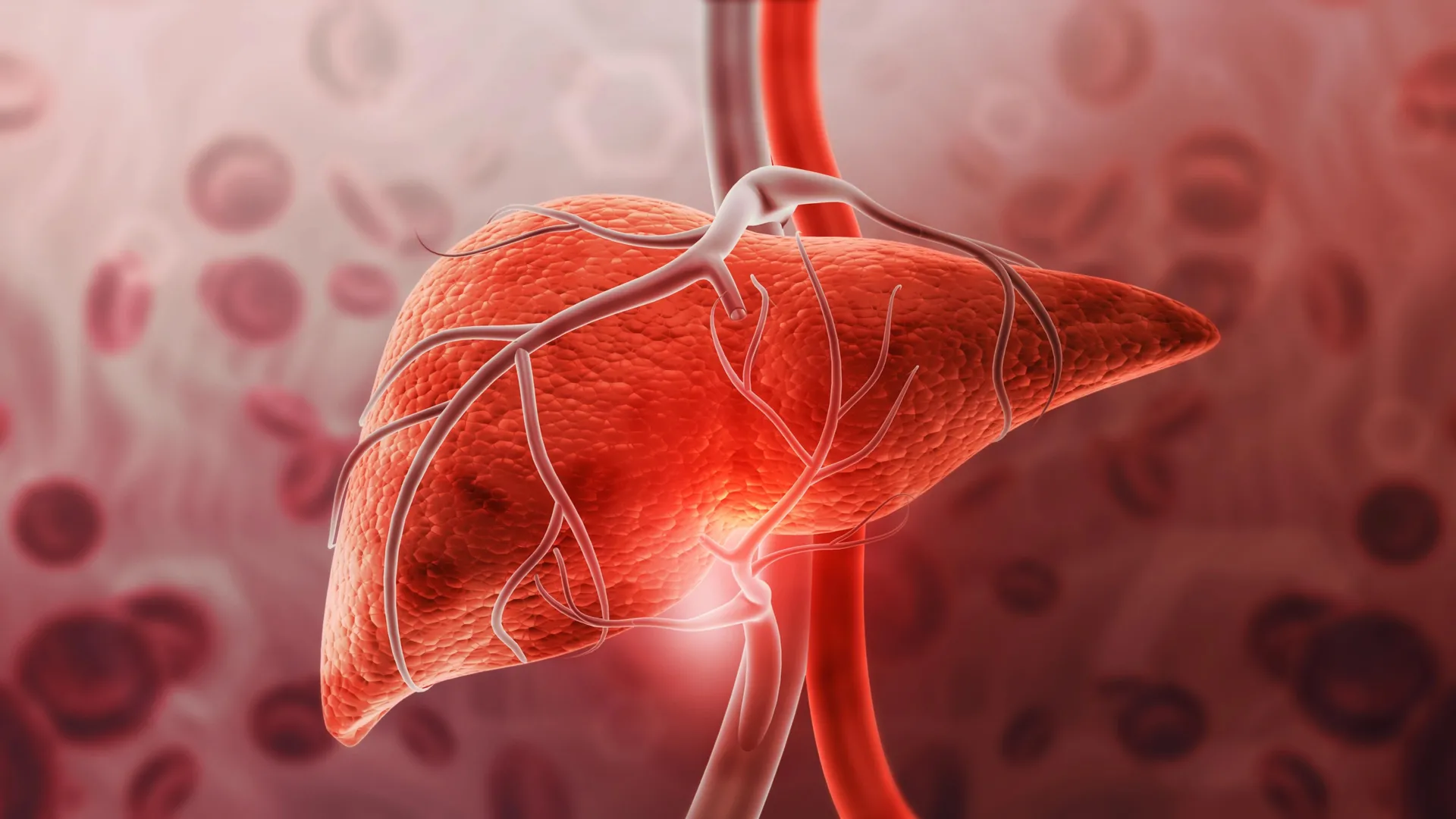
Researchers at McMaster University have made a groundbreaking discovery, revealing that GDF15, a naturally occurring hormone long recognized for its role in reducing appetite and promoting weight loss, possesses a previously unrecognized ability to shield the liver from inflammation. This revelation, stemming from the identification of a novel signaling pathway, holds significant promise for the development of innovative therapeutic strategies for advanced fatty liver disease, particularly metabolic dysfunction-associated steatohepatitis (MASH). The findings challenge the established paradigm that GDF15’s benefits are solely attributable to its impact on body weight.
Unveiling a Dual-Action Hormone: Beyond Appetite Suppression
The study, published on August 10, 2026, in the esteemed journal Cell Metabolism, meticulously details how GDF15 can effectively mitigate liver inflammation and decelerate the progression of liver scarring, even in the absence of significant weight loss. This finding directly contradicts the prevailing scientific understanding, which has primarily linked the hormone’s therapeutic effects to its influence on caloric intake and subsequent reduction in body mass.
Millions of individuals globally grapple with MASH, a severe and progressive form of fatty liver disease. If left unchecked, MASH can advance to debilitating conditions such as cirrhosis, liver cancer, and ultimately, liver failure. While the advent of novel weight-loss medications has offered a lifeline to many patients, a persistent challenge remains: liver inflammation can endure even after substantial weight reduction. The McMaster University study’s identification of a biological pathway that directly regulates this recalcitrant inflammation opens a new frontier for treatment. It suggests that future therapies could potentially adopt a dual-pronged approach, targeting liver inflammation concurrently with existing interventions focused on weight management and the reduction of liver fat.
"Our findings definitively demonstrate that GDF15 exerts influence far beyond its established roles in regulating appetite and body weight," stated Gregory Steinberg, a distinguished professor in McMaster University’s Department of Medicine, co-director of the Centre for Metabolism, Obesity and Diabetes Research (MODR), and the senior author of the study. "We have uncovered that GDF15 initiates a signaling cascade from the brain to the liver via the nervous system, which is instrumental in suppressing liver inflammation and ameliorating fibrosis. This discovery fundamentally alters our perception of this hormone, suggesting it may be an integral component of the body’s intrinsic defense mechanisms against chronic liver injury."
The Neural Pathway: GDF15’s Signal to the Liver
To meticulously investigate GDF15’s impact on advanced liver disease, the research team employed sophisticated mouse models meticulously engineered to accurately replicate human MASH. Utilizing a comprehensive suite of genetic, pharmacological, genomic, and spatial transcriptomics techniques, the researchers dissected the intricate molecular events that transpire when GDF15 is activated.
Their investigations revealed a fascinating neural connection: GDF15 triggers signaling originating in the brain, which then propagates through the nervous system. This neural transmission ultimately culminates in the release of glucocorticoids, a class of steroid hormones crucial for regulating metabolism, modulating immune responses, and orchestrating the body’s stress response.
These endogenously released glucocorticoids then act upon the liver, effectively suppressing inflammatory processes. Crucially, the researchers observed these protective effects irrespective of any alterations in the mice’s food consumption, body weight, or liver fat accumulation. Furthermore, GDF15 demonstrated a notable capacity to decelerate the progression of liver fibrosis, the pathological accumulation of scar tissue that characterizes advancing liver disease.
"Employing advanced spatial technology, we’ve observed that GDF15 plays a pivotal role in reprogramming liver cells, leading to a reduction in both inflammation and scarring," explained Dongdong Wang, the study’s first and corresponding author and an assistant professor in McMaster’s Department of Medicine. "Rather than inducing liver damage, GDF15 appears to actively modulate the liver’s immune system, transitioning immune cells into a less active, more protective state. This recalibration is key to diminishing inflammation and preventing further hepatic damage."
A Second Act for GDF15: A Surprising Immunomodulatory Role
This latest discovery builds upon a prior study, published in 2023, where Steinberg and Wang demonstrated GDF15’s capacity to aid the body in preserving calorie expenditure during periods of weight loss. The current findings unveil a remarkably distinct function for the same hormone: its direct intervention in protecting the liver through an uncharted anti-inflammatory pathway.
Collectively, these two studies offer a compelling framework for the development of future therapeutic interventions specifically designed to combat liver inflammation, a primary driver of MASH progression that has historically proven challenging to treat effectively.
Professor Steinberg, who also serves as an executive member of NexusHealth at McMaster and as chief scientific officer, shareholder, and co-founder of Espervita Therapeutics, recently co-authored preclinical research detailing a promising drug candidate for advanced liver disease. While that prior research focused on a specific therapeutic compound, the current study delves into the body’s inherent biological mechanisms for controlling liver inflammation, providing invaluable insights that can guide the development of next-generation treatments.
The Future of MASH Treatment: A Synergistic Approach
"Current therapeutic strategies predominantly concentrate on reducing body weight and the burden of liver fat," Professor Steinberg elaborated. "Our research strongly suggests that a paradigm shift towards integrating these approaches with therapies that directly target inflammation could be profoundly beneficial. By elucidating the body’s natural liver protection mechanisms, we are poised to identify novel avenues for developing more efficacious treatments for individuals living with MASH."
The implications of this research extend beyond the immediate therapeutic landscape. Understanding the complex interplay between GDF15, the brain, and the liver could unlock new diagnostic biomarkers for assessing liver health and predicting disease progression. Furthermore, it may pave the way for personalized treatment regimens that leverage the body’s own signaling pathways to combat liver disease.
The study benefited from the collaborative efforts of Rune E. Kuhre and Sebastian B. Jørgensen from Novo Nordisk A/S. Funding for this pivotal research was generously provided by the Natural Sciences and Engineering Research Council of Canada (NSERC), the Canadian Institutes of Health Research (CIHR), and Diabetes Canada. Novo Nordisk A/S played a role by providing research support and supplying the GDF15 hormone utilized in the study.
The scientific community is keenly observing the trajectory of GDF15 research. Given the hormone’s established safety profile and its existing role in modulating appetite, its repurposing for direct anti-inflammatory liver therapy appears to be a logical and promising next step. The intricate signaling pathway identified in this study represents a significant advancement, offering a tangible target for drug development. The potential to simultaneously address metabolic dysregulation and chronic liver inflammation could revolutionize the management of MASH, offering a more holistic and effective treatment paradigm for millions worldwide. The journey from basic scientific discovery to clinical application is often long, but the findings from McMaster University provide a clear and hopeful direction for future endeavors in the fight against advanced liver disease.

0 Comments