
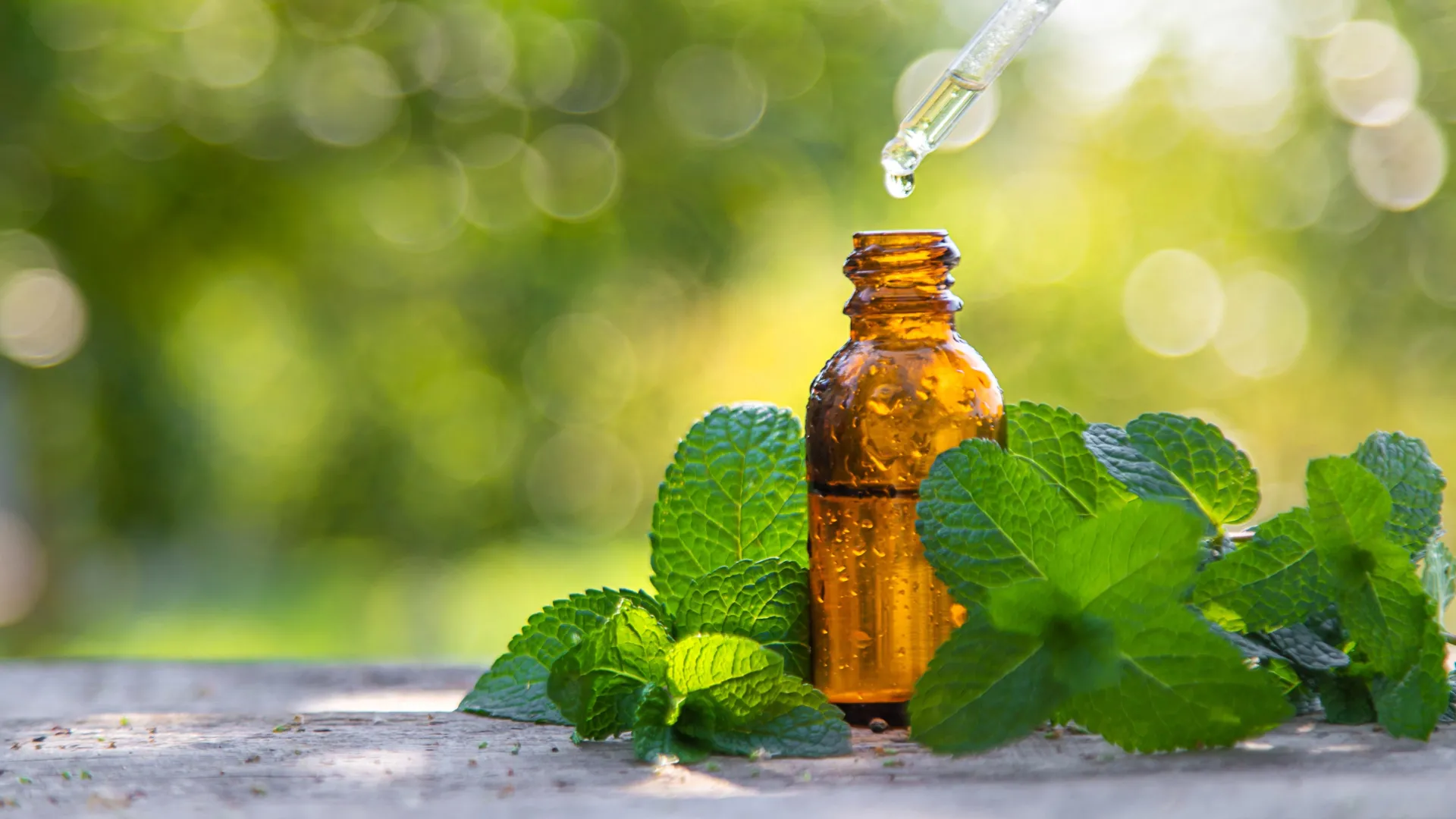
New research emerging from the University of Lancashire suggests a readily available and cost-effective natural remedy, daily peppermint oil, could play a significant role in managing mildly elevated blood pressure. The findings, published in the peer-reviewed journal PLOS One, indicate that a consistent intake of peppermint oil may lead to a notable reduction in systolic blood pressure, offering a potential low-barrier entry point for individuals seeking to proactively manage their cardiovascular health. This discovery arrives at a critical juncture, as hypertension remains a leading global contributor to heart disease and premature mortality, placing a substantial burden on healthcare systems worldwide.
Groundbreaking Study Reveals Peppermint’s Hypertensive Benefits
The study, led by Dr. Jonnie Sinclair, a Reader in Sport and Health Sciences at the University of Lancashire, involved a rigorous investigation into the physiological effects of peppermint oil. Researchers enrolled 40 adult participants, aged between 18 and 65, who were diagnosed with prehypertension or stage 1 hypertension. These individuals were then randomly assigned to one of two groups. The experimental group received a daily regimen of 100 microliters of peppermint oil, administered twice a day for a period of 20 consecutive days. The control group, meanwhile, received a placebo that mimicked the taste of peppermint but lacked the active medicinal compounds.
The results were striking. Participants who consumed the peppermint oil experienced an average reduction of 8.5 mmHg in their systolic blood pressure, commonly referred to as the "top number" in a blood pressure reading. In contrast, the control group that received the placebo showed no statistically significant improvement in their blood pressure readings. This clear divergence in outcomes underscores the specific pharmacological effect of peppermint oil on blood pressure regulation.
Understanding the Mechanisms: Menthol and Flavonoids at Play
Peppermint (Mentha piperita) is a hybrid mint species, a cross between water mint and spearmint, and has a long history of use in traditional medicine for a variety of ailments, including digestive issues and respiratory congestion. Its therapeutic properties are attributed to its rich composition of bioactive compounds, most notably menthol and various flavonoids. Menthol, the primary component responsible for peppermint’s characteristic cooling sensation and aroma, is believed to interact with transient receptor potential melastatin 8 (TRPM8) channels in the body, which are involved in regulating vascular tone and pain perception. Flavonoids, a diverse group of plant-derived polyphenolic compounds, are well-known for their antioxidant and anti-inflammatory properties, which can also contribute to cardiovascular health by protecting blood vessels from damage and improving their function.
While the exact molecular pathways through which peppermint oil exerts its blood pressure-lowering effects are still under investigation, the current research points towards a potential role in vasodilation, the widening of blood vessels. By promoting relaxation of the smooth muscles in the arterial walls, peppermint oil could theoretically reduce the resistance against which the heart must pump blood, thereby lowering blood pressure. Further research may delve into how menthol or flavonoids interact with specific signaling pathways that govern vascular tone and endothelial function.
A Multifaceted Approach: Beyond Systolic Pressure
The study’s scope extended beyond solely monitoring systolic blood pressure. Researchers meticulously tracked a range of other physiological markers to gain a comprehensive understanding of peppermint oil’s impact. These included measurements of diastolic blood pressure (the "bottom number," reflecting the pressure in the arteries when the heart rests between beats), heart rate, body measurements, and blood test results. Furthermore, the study explored the potential influence of peppermint oil on mental well-being and sleep quality, aspects that are often intertwined with cardiovascular health. While the primary focus remained on blood pressure reduction, the researchers’ commitment to a holistic assessment highlights the complex interplay of factors influencing overall health. The positive outcomes observed in the peppermint oil group across these additional parameters, even if not the central finding, suggest potential broader health benefits that warrant further exploration.
Contextualizing the Findings: The Global Burden of Hypertension
The significance of these findings cannot be overstated, particularly when viewed against the backdrop of global health challenges. According to the World Health Organization (WHO), hypertension is a major risk factor for heart disease, stroke, kidney failure, and other serious health conditions. It is estimated that globally, one in four adults has high blood pressure, and the condition is responsible for approximately 9.4 million deaths each year. The economic burden associated with managing hypertension and its complications is immense, placing a strain on healthcare resources in both developed and developing nations.
Dr. Sinclair aptly articulated the rationale behind exploring alternative therapeutic avenues: "High blood pressure is one of the biggest causes of heart disease and death worldwide, and it costs a huge amount of money to treat. Although medicines are commonly used to treat it, it’s not always clear how well they work in the long-term, and they can cause unwanted side effects." This statement underscores the persistent need for accessible, safe, and effective interventions that can complement or offer alternatives to conventional pharmaceutical treatments. The development of new antihypertensive medications is an ongoing endeavor, but the discovery of natural remedies that can contribute to blood pressure management is of immense value, particularly for populations facing financial barriers to healthcare.
A Timeline of Discovery and Potential Future Research
The research leading to this publication likely involved several stages. The initial conception would have been driven by existing knowledge of peppermint’s traditional uses and the known physiological effects of its constituents like menthol. This would have been followed by preclinical studies, potentially in vitro or animal models, to investigate the hypothesized mechanisms of action. The University of Lancashire study, as detailed in PLOS One, represents a crucial human clinical trial phase, specifically designed to assess efficacy and safety in a relevant patient population.
The publication date of the PLOS One article marks a significant milestone, making the research findings accessible to the scientific community and the public. However, this is likely not the endpoint. Dr. Sinclair’s concluding remarks hint at the broader implications and the potential for widespread adoption: "Our findings were very positive and they have significant clinical implications, especially given arterial hypertension is the most common preventable risk factor for cardiometabolic disease and the greatest single risk factor for global mortality." This suggests that future research will focus on validating these findings in larger, more diverse populations, exploring optimal dosages and long-term efficacy, and investigating potential synergistic effects with other lifestyle interventions or medications. Furthermore, understanding the pharmacokinetic and pharmacodynamic profiles of peppermint oil in humans will be crucial for its integration into clinical practice.
Broader Impact and Implications: Accessibility and Affordability
The implications of this research are far-reaching, particularly concerning the accessibility and affordability of blood pressure management strategies. Peppermint oil is a widely available and inexpensive natural product, making it a potentially transformative intervention for millions worldwide, especially in regions where access to advanced medical care and pharmaceuticals is limited. "Peppermint oil is low in calories and price so it’s proved to be a very simple and cost-effective solution to potentially treat millions of people around the world," Dr. Sinclair emphasized. This democratizing potential of a natural remedy could empower individuals to take a more proactive role in managing their health, contributing to a paradigm shift in preventative healthcare.
The low cost of peppermint oil compared to prescription medications also presents a compelling economic argument. The global market for antihypertensive drugs is substantial, but the ongoing costs associated with lifelong treatment can be prohibitive for many. A natural intervention that can contribute to lowering blood pressure without significant financial outlay could alleviate a considerable portion of this burden, both for individuals and healthcare systems.
However, it is crucial to emphasize that this research represents a promising first step. While the results are encouraging, individuals with elevated blood pressure should not discontinue or alter their prescribed medication regimens without consulting a healthcare professional. Further clinical trials are needed to establish definitive treatment guidelines, optimal dosages for various populations, and long-term safety profiles. Nevertheless, the University of Lancashire study provides a strong foundation for further exploration into the therapeutic potential of peppermint oil as a complementary or alternative approach to managing mild hypertension, ushering in a new era of accessible and natural cardiovascular care. The scientific community will be eagerly awaiting subsequent studies to build upon these significant initial findings.

0 Comments