
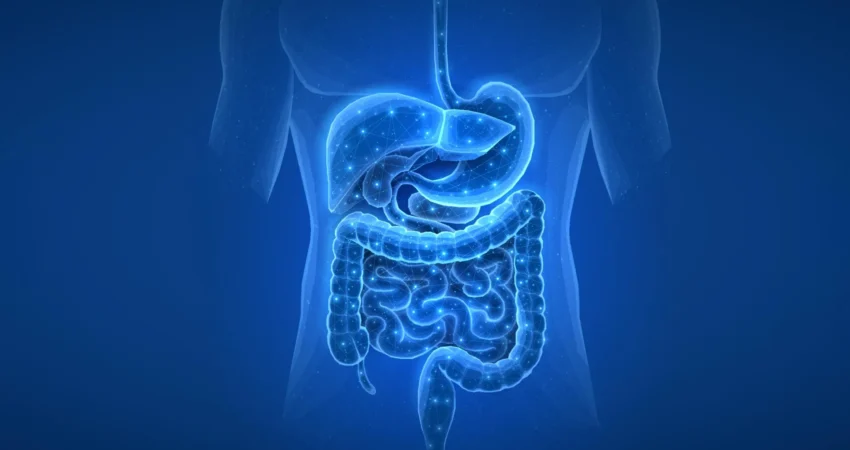
A groundbreaking study originating from the University of Tartu Institute of Genomics has unveiled a profound and often overlooked influence on the human gut microbiome: the lingering effects of medications taken long after a prescription has ended. This extensive research, analyzing the health records and microbial profiles of over 2,500 individuals, suggests that a person’s historical medication use could be a significant determinant in explaining the composition and function of their gut microbial communities, potentially for years to come. The findings challenge the conventional approach in microbiome research, which often focuses on current drug use, and underscore the need to incorporate past pharmaceutical interventions into our understanding of gut health and its intricate connection to overall well-being.
Unveiling the Long Tail of Drug Effects on Gut Microbes
The human gut microbiome, a complex ecosystem teeming with trillions of bacteria, fungi, viruses, and other microorganisms, plays a pivotal role in a myriad of bodily functions. From aiding digestion and nutrient absorption to modulating the immune system and even influencing mood, these microscopic inhabitants are integral to our health. Disruptions to this delicate balance, known as dysbiosis, have been increasingly linked to a wide spectrum of diseases, including inflammatory bowel disease, obesity, diabetes, allergies, and neurological disorders.
Historically, scientific investigations into the microbiome have largely centered on immediate environmental factors such as diet and lifestyle, alongside current medication regimens. However, the findings from the Estonian Biobank cohort study, led by Dr. Oliver Aasmets, indicate that the pharmacological history of an individual casts a far more enduring shadow. "Most microbiome studies only consider current medications," Dr. Aasmets stated, "but our results show that past drug use can be just as important, as it is a surprisingly strong factor in explaining individual microbiome differences." This assertion, supported by rigorous data analysis, prompts a reevaluation of how we interpret microbiome data and its potential links to chronic conditions.
A Deep Dive into the Estonian Biobank Data
The research team meticulously examined stool samples from over 2,500 participants in the Estonian Biobank, a vast repository of genetic and health information. These samples were cross-referenced with detailed prescription records, creating a comprehensive picture of each participant’s pharmaceutical history. The scale of this dataset allowed for the identification of subtle yet significant associations between various drug classes and the composition of the gut microbiome.
What emerged was a compelling pattern: a substantial majority of the medications investigated demonstrated a discernible impact on the microbial communities within the gut. Crucially, these effects were not ephemeral. For a significant number of drugs, the alterations in microbial populations persisted even years after the participants had ceased taking the medication. This longevity of impact challenges the common assumption that drug effects on the microbiome are transient, dissipating shortly after discontinuation.
Beyond Antibiotics: The Widespread Influence of Pharmaceuticals
While antibiotics have long been recognized for their potent ability to disrupt gut bacteria, often leading to immediate and noticeable shifts in microbial diversity, the Estonian study revealed that this phenomenon extends far beyond the realm of anti-infectives. The research identified distinctive microbial "fingerprints" associated with a range of commonly prescribed drug classes, including:
- Antidepressants: Medications used to manage mood disorders.
- Beta-blockers: Primarily prescribed for cardiovascular conditions like high blood pressure and heart disease.
- Proton Pump Inhibitors (PPIs): Drugs designed to reduce stomach acid, commonly used for conditions like acid reflux and ulcers.
- Benzodiazepines: Prescribed for anxiety, insomnia, and seizure disorders.
The identification of these broad-acting drug classes as contributors to long-term microbiome changes is particularly significant. It suggests that interventions targeting various physiological systems can inadvertently reshape the intricate microbial ecosystem within the gut, with consequences that may not be immediately apparent.
The Unexpected Potency of Anxiety Medications
One of the most striking revelations from the study pertains to benzodiazepines, a class of drugs frequently prescribed for anxiety disorders. The research found that the association between benzodiazepine use and alterations in the gut microbiome was remarkably strong, comparable in magnitude to the effects observed with broad-spectrum antibiotics. This finding is noteworthy because broad-spectrum antibiotics are designed to be highly effective against a wide array of bacterial species, making their impact on the microbiome inherently substantial.
The comparison suggests that benzodiazepines, despite their primary therapeutic targets being in the central nervous system, exert a profound influence on the gut’s microbial inhabitants. This could have significant implications, as anxiety and gut health are increasingly understood to be interconnected through the gut-brain axis. The long-term disruption of the microbiome by these medications might contribute to or exacerbate other health issues, creating a complex feedback loop.
Subtleties Within Drug Classes: Individual Drugs Matter
Further analysis revealed a critical nuance: not all drugs within the same therapeutic class exerted identical effects on the gut microbiome. For instance, the study highlighted differences in the impact of individual benzodiazepines, such as diazepam and alprazolam, which are often prescribed for similar anxiety-related conditions. This finding is crucial because, in many microbiome research studies, drugs are frequently categorized and analyzed based on their broader drug class.
The new results advocate for a more granular approach, emphasizing the need to consider individual drugs rather than relying solely on class-based generalizations. The unique chemical structures and pharmacological mechanisms of individual medications could lead to distinct interactions with specific microbial species, resulting in varied long-term consequences for the microbiome. This distinction is vital for researchers aiming to accurately pinpoint the drivers of microbiome alterations and their subsequent health impacts.
Tracking the Microbial Footprints: Chronological Evidence
To further solidify their findings and establish a causal link, the researchers also conducted a temporal analysis using follow-up stool samples from a subset of participants. This part of the study allowed them to observe dynamic changes in the gut microbiome as individuals initiated or discontinued specific medications.
The observed shifts in microbial composition were predictable, occurring in tandem with the commencement or cessation of pharmaceutical treatment. This chronological evidence strongly suggests that the medications themselves are direct contributors to at least some of the observed microbiome differences.
The time-point analysis, while involving a smaller group, provided robust confirmation of persistent effects linked to several drug categories. These included:
- Proton Pump Inhibitors (PPIs): Consistent long-term alterations were noted.
- Selective Serotonin Reuptake Inhibitors (SSRIs): A widely used class of antidepressants also demonstrated lasting impacts.
- Antibiotics: Specific antibiotic combinations, such as penicillins, and macrolides (a group used for various bacterial infections) were confirmed to leave a lasting microbial signature.
This longitudinal data provides compelling support for the hypothesis that medication history is not merely an incidental factor but a significant determinant of an individual’s gut microbiome over extended periods.
Broader Implications for Health and Research
The implications of this research are far-reaching, impacting both the scientific community and clinical practice. The study adds substantial weight to the growing body of evidence suggesting that the gut microbiome is a complex reflection of an individual’s entire health journey, encompassing not just current diet and lifestyle but also their cumulative pharmaceutical exposures.
Re-evaluating Microbiome Research Methodologies
Professor Elin Org, the corresponding author of the study, emphasized the significance of this comprehensive evaluation. "This is a comprehensive systematic evaluation of long-term medication effects on the microbiome using real-world medical health records," she stated. "We hope this encourages researchers and clinicians to factor in medication history when interpreting microbiome data."
The findings necessitate a paradigm shift in how microbiome research is conducted and interpreted. When investigating the links between the microbiome and diseases, researchers must now consider the possibility that observed microbial patterns may be residual effects of medications taken months or even years prior. This historical perspective could be critical in distinguishing between microbiome changes that are causally linked to a disease state and those that are merely a consequence of past medical interventions.
Precision Medicine and Personalized Healthcare
In the realm of precision medicine, understanding the long-term impact of pharmaceuticals on the microbiome could pave the way for more tailored therapeutic strategies. If certain medications consistently lead to specific, detrimental microbial shifts, clinicians might be able to proactively recommend interventions to mitigate these effects. This could involve dietary adjustments, prebiotics, probiotics, or even the development of new pharmaceutical agents designed to minimize their impact on the gut ecosystem.
Furthermore, for individuals with chronic conditions that are influenced by the microbiome, a detailed understanding of their medication history could unlock new avenues for treatment. It might allow for the identification of individuals whose microbiome dysbiosis is primarily driven by past drug use, suggesting that addressing this underlying cause could lead to improved health outcomes.
Future Directions and Unanswered Questions
While this study provides a robust foundation, it also opens up new avenues for investigation. Future research could focus on:
- Mechanism of Action: Delving deeper into the specific molecular pathways through which different drug classes interact with and alter microbial communities.
- Individual Variability: Exploring the factors that might influence why some individuals experience more pronounced or persistent microbiome changes from medications than others.
- Reversibility and Restoration: Investigating the potential for microbiome restoration strategies to counteract the long-term effects of past drug use.
- Drug Development: Encouraging pharmaceutical companies to consider the microbiome impact during the drug development process.
The study from the University of Tartu Institute of Genomics marks a significant step forward in our understanding of the intricate relationship between human health and the microbial world within us. It serves as a potent reminder that the echoes of our past medical treatments can resonate within our bodies for years, shaping our internal ecosystems in profound and lasting ways. By acknowledging and accounting for this persistent shadow, we can move towards a more comprehensive and effective approach to understanding and improving human health.

0 Comments