
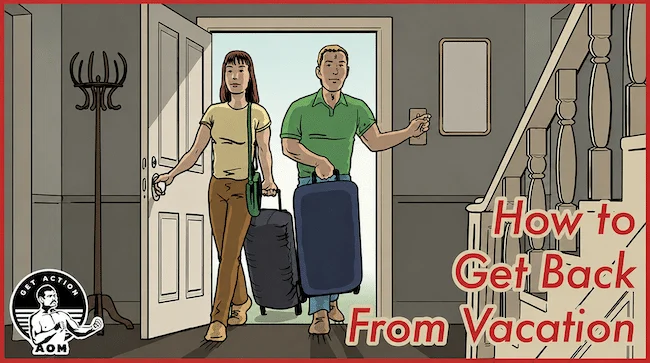
The logistical and psychological transition from a period of leisure back into the rigors of professional and domestic life represents a significant, yet often overlooked, phase of the modern travel experience. While travel industry data indicates that the vast majority of consumer preparation is focused on the departure phase—securing accommodations, finalizing itineraries, and completing pre-trip checklists—the "re-entry" phase remains a primary source of stress for many travelers. As the summer season concludes and academic calendars resume, experts in productivity and behavioral psychology suggest that the success of a vacation is measured not only by the experiences gained during the trip but by the efficiency and mental health of the return.
The Logistics of Re-Entry: A Statistical Overview
Travel volume during the late summer months consistently reaches peak levels. According to data from the Transportation Security Administration (TSA), passenger throughput often exceeds 2.5 million individuals per day during late August and early September. Amidst this high volume of movement, a recurring phenomenon known as "post-vacation blues" or "re-entry shock" affects a substantial portion of the workforce. A study by the American Psychological Association found that while vacations can reduce stress, the benefits often fade within days of returning to work if the transition is handled poorly. Furthermore, surveys from human resources firms suggest that productivity can drop by as much as 40% during the first week back from an extended leave due to administrative backlog and psychological fatigue.
The Pre-Departure Strategy: Mitigating Future Stress
The foundation of a successful return is laid before the traveler ever leaves their home. Journalistic analysis of household management trends suggests that "future-proofing" one’s living environment is essential for a soft landing. This involves a series of domestic protocols designed to eliminate immediate chores upon return.
Key pre-departure actions include waste management and sanitization. Emptying all household trash receptacles, including smaller bins in bathrooms and offices, prevents the accumulation of odors in a sealed environment. Running the garbage disposal with citrus or vinegar and ensuring the dishwasher is both run and emptied are critical steps. The objective is to return to a "neutral" environment that does not demand immediate labor.
For those with the financial flexibility, outsourcing deep-cleaning services during the vacation period has become an increasingly popular trend. Professional cleaning services report a spike in "while-you-were-away" bookings, allowing travelers to return to sanitized surfaces and freshly laundered linens. Additionally, nutritional planning is a vital component of the pre-departure phase. Procurement of non-perishable or frozen meals ensures that the returning traveler is not forced into immediate grocery shopping or expensive, often unhealthy, takeout options during the initial hours of arrival.
Chronology of the Return: The Saturday vs. Sunday Debate
A central point of contention among travel strategists is the optimal day for returning home. The traditional model involves maximizing vacation time by returning late Sunday evening, immediately preceding the Monday morning work commute. However, behavioral economists and travel analysts increasingly advocate for the "Saturday Return" model.
The Saturday Return strategy offers two primary benefits:
- Travel Efficiency: TSA and airline data indicate that Saturday is frequently a less congested travel day compared to Sunday, which is historically the busiest day of the week for domestic air travel. This can lead to lower ticket prices and reduced wait times at security checkpoints.
- The Buffer Effect: Returning on Saturday provides a full "buffer day" on Sunday. This 24-hour period acts as a psychological and logistical bridge between the vacation mindset and the professional mindset.
From a psychological perspective, this buffer day aligns with the "Peak-End Rule," a theory popularized by Nobel laureate Daniel Kahneman. The rule suggests that people judge an experience largely based on how they felt at its peak and at its end. A chaotic, rushed return on Sunday night followed by an immediate "cold open" at the office on Monday can retroactively sour the memory of the entire trip. Conversely, a relaxed Saturday return allows for a "soft landing," preserving the positive associations of the vacation.
The Reset Day: Restoring Domestic and Professional Order
The buffer day should be treated as a "Reset Day." This is not a continuation of the vacation, nor is it a full dive into work; rather, it is a dedicated period for domestic recalibration. The activities of the Reset Day typically include:
- Unpacking and Laundry: Immediate processing of luggage prevents the "suitcase sprawl" that can clutter a home for weeks.
- Nutritional Restocking: A brief trip to the grocery store to replenish fresh produce and staples.
- Sleep Hygiene: Adjusting to the home time zone and recovering from travel-induced fatigue.
- Planning: Reviewing the upcoming week’s calendar to avoid surprises on Monday morning.
Experts suggest that the Reset Day is essential for maintaining the "stress-reduction" benefits of a vacation. Without it, the sudden spike in cortisol levels associated with a hurried return can negate the physiological improvements gained during the time off.
Strategic Triage: Managing the Digital Backlog
For the modern professional, the most daunting aspect of re-entry is the electronic inbox. The sheer volume of accumulated emails can create a sense of "inbox paralysis." To combat this, productivity experts recommend a "triage" approach rather than a chronological one.
The recommended protocol involves 25-minute "sprints" of email management. During these periods, the individual should not attempt to resolve every issue but should instead categorize communications.
- The Delete Phase: Skimming subject lines to identify and delete newsletters, automated notifications, and irrelevant CC-chain emails.
- The Priority Phase: Identifying high-stakes communications that require immediate action.
- The Delegation Phase: Forwarding items that can be handled by colleagues or subordinates.
- The Archive Phase: Filing away information that is useful but does not require a response.
By setting a hard time limit on this initial triage, the returning employee prevents the first day back from being entirely consumed by administrative catch-up, allowing them to focus on high-value tasks and strategic re-integration.
Psychological Sustenance and the Art of Anticipation
The "post-vacation glow" is a documented phenomenon, but it is notoriously fleeting. Research published in the journal Applied Research in Quality of Life indicates that the largest boost in happiness comes from the anticipation of a trip rather than the trip itself or the period following it.
To extend the positive psychological impact of a vacation, behavioral scientists recommend two specific interventions:
- Reflection: Actively engaging with the memories of the trip through photo organization or storytelling. This reinforces the neural pathways associated with the positive experience.
- Future Planning: Scheduling the next "event"—whether it be a major holiday or a minor weekend outing—immediately upon return. This restarts the cycle of anticipation, which serves as a hedge against the post-vacation slump.
Broader Implications for Workplace Culture
The management of vacation re-entry has broader implications for corporate culture and employee retention. Forward-thinking organizations are beginning to implement "re-entry protocols" for employees returning from extended leave. These may include "no-meeting" Mondays for returning staff or "re-entry days" where the employee is physically present but not expected to handle new client-facing tasks.
The economic argument for these policies is centered on long-term productivity. By acknowledging that the transition from vacation to work is a process rather than an instantaneous switch, companies can reduce burnout and improve morale. In an era where "quiet quitting" and "burnout" are significant concerns for HR departments, the logistics of the return-to-work transition are becoming a critical component of talent management.
Conclusion: A Holistic Approach to Travel
Ultimately, the mastery of re-entry requires a shift in how society views leisure. Rather than seeing a vacation as a discrete event that ends the moment the front door closes, it should be viewed as a cycle that includes preparation, experience, and integration. By applying rigorous logistical planning to the return phase—choosing a Saturday arrival, utilizing a buffer day, and strategically managing the digital backlog—travelers can ensure that the rejuvenation they sought during their time away is not immediately sacrificed to the pressures of the "real world." As travel continues to rebound to record-breaking levels, the ability to transition smoothly between these states will remain a vital skill for the modern professional.

0 Comments