
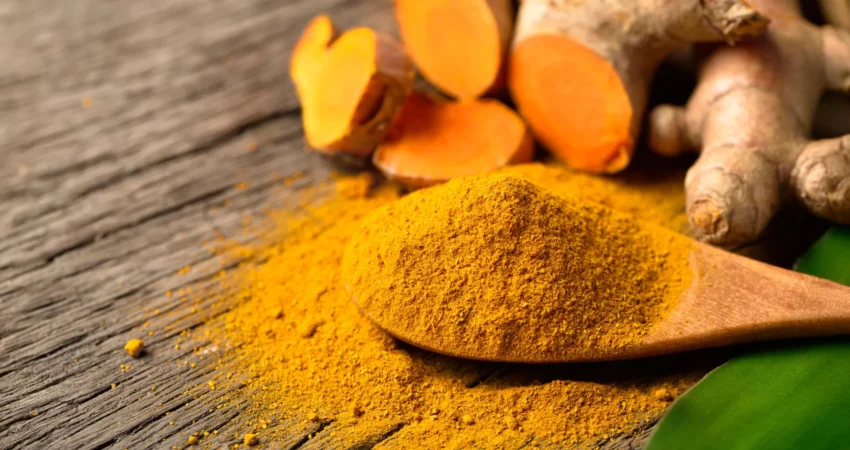
The vibrant yellow hue of turmeric, a spice long cherished in culinary traditions and traditional medicine, is attributed to curcumin, a natural compound renowned for its potent anti-inflammatory and antioxidant properties. Emerging research, presented at a prominent scientific gathering, suggests that curcumin may extend its protective influence to safeguarding blood vessels from the detrimental effects of diabetes, particularly Type 1 diabetes. A recent study conducted on a rat model indicates that curcumin intervention can significantly mitigate vascular damage associated with the condition, offering a glimmer of hope for improved cardiovascular health in diabetic individuals.
Unveiling Curcumin’s Vascular Protective Potential at the American Physiology Summit
The groundbreaking findings were formally unveiled at the 2026 American Physiology Summit in Minneapolis, the flagship annual meeting of the American Physiological Society (APS). This esteemed event serves as a crucial platform for physiologists worldwide to present their latest research, foster collaborations, and discuss advancements in understanding human and animal physiology. The presentation of this curcumin study at such a respected forum underscores its scientific significance and potential impact.
Swasti Rastogi, a PhD candidate at the Florida Institute of Technology and the study’s first author, elaborated on the multifaceted benefits observed. "Curcumin acts as more than a simple compound found in a spice or an antioxidant," Rastogi stated. "It not only helps to improve blood sugar levels but also reduces inflammation, restores cellular responses, and preserves both structure and function of the aorta in Type 1 diabetes." This comprehensive action highlights curcumin’s ability to address multiple pathways implicated in diabetic vascular complications.
The Silent Threat: Type 1 Diabetes and Its Cardiovascular Toll
Type 1 diabetes is a chronic autoimmune disease characterized by the body’s immune system mistakenly attacking and destroying insulin-producing beta cells in the pancreas. This leads to a severe deficiency in insulin, a hormone essential for regulating blood glucose levels. In the United States, an estimated 2 million people live with Type 1 diabetes, a condition that typically emerges in childhood or adolescence but can manifest at any age. While insulin therapy remains the cornerstone of management, enabling individuals to control their blood sugar, the long-term presence of elevated glucose levels can inflict significant damage on various organs, including the cardiovascular system.
The insidious nature of persistently high blood sugar, a hallmark of poorly controlled diabetes, contributes to a phenomenon known as endothelial dysfunction. This damage to the inner lining of blood vessels can initiate a cascade of events, leading to increased inflammation, impaired blood flow, and the eventual development of atherosclerosis – the hardening and narrowing of arteries. Consequently, individuals with Type 1 diabetes often face an elevated risk of heart disease, stroke, and other cardiovascular complications at an earlier age compared to the general population. The pursuit of therapeutic strategies to mitigate this vascular damage is therefore a critical area of ongoing research.
The Experimental Design: Curcumin in a Diabetic Rat Model
To rigorously investigate whether curcumin could offer protection against this diabetes-induced vascular damage, the research team employed a well-established rat model of Type 1 diabetes. This model mimics key aspects of the human condition, allowing scientists to study the disease’s progression and test potential interventions in a controlled environment. The experimental protocol involved comparing two groups of diabetic rats: one group received daily doses of curcumin, while the control group, also diabetic, did not receive any curcumin treatment.
The duration of the study was set at one month, a timeframe sufficient to observe significant physiological changes. At the conclusion of this period, the researchers meticulously assessed various markers of vascular health in both groups. The results were compelling: the diabetic rats treated with curcumin exhibited notable improvements in their vascular health, with these improvements being remarkably similar to those observed in healthy, non-diabetic rats. This suggests that curcumin intervention was able to counteract or reverse some of the detrimental vascular effects of diabetes.
Quantifying Curcumin’s Impact: Key Measures of Vascular Improvement
The study delved deeper into the specific mechanisms by which curcumin exerted its protective effects. The researchers identified several key improvements in vascular function and structure among the curcumin-treated rats.
One significant finding was the apparent reduction in inflammation within the blood vessels. Chronic inflammation is a primary driver of atherosclerosis, and by dampening this inflammatory response, curcumin may help to prevent the initiation and progression of arterial damage. Furthermore, curcumin appeared to restore more normal calcium activity in the blood vessels. Calcium signaling plays a crucial role in the contraction and relaxation of vascular smooth muscle cells, and dysregulation of this process can contribute to hypertension and impaired blood flow. Restoring balanced calcium activity suggests improved vascular tone and responsiveness.
Another critical observation was the rebalancing of heat shock protein 70 (HSP70). HSP70 is a family of chaperone proteins that play vital roles in cellular protection, stress response, and protein folding. Diabetes is known to disrupt the delicate regulation of HSP70, and this imbalance can contribute to cellular dysfunction and damage. Curcumin’s ability to normalize HSP70 levels indicates its potential to bolster cellular resilience against the stresses imposed by diabetes.
Collectively, these findings paint a picture of curcumin as a potent modulator of vascular health. By reducing inflammation, optimizing calcium signaling, and restoring the balance of essential cellular proteins, curcumin appears to limit the gradual weakening and stiffening of blood vessels. This preservation of vascular structure and function could translate into a significant reduction in the elevated cardiovascular risks associated with diabetes, potentially offering a novel therapeutic avenue.
Looking Ahead: The Road to Human Application and Important Caveats
While the results of this rat study are undoubtedly encouraging, the researchers and the broader scientific community are quick to emphasize that these findings do not translate directly into recommendations for immediate human consumption of turmeric or curcumin supplements for Type 1 diabetes. Several crucial steps remain before curcumin can be considered a viable therapeutic option for people with this condition.
The fundamental limitation of the current study is its execution in an animal model. While rat models are invaluable for initial research, physiological differences between rodents and humans necessitate further investigation. Additional research, including well-designed clinical trials involving human participants, is imperative to confirm whether the observed vascular protective effects of curcumin are replicated in people with Type 1 diabetes.
Moreover, establishing an appropriate and safe dosage for human use is a paramount concern. The optimal amount of curcumin that provides therapeutic benefits while minimizing the risk of adverse effects or harmful interactions with other medications needs to be meticulously determined through rigorous clinical trials. Many individuals with diabetes are already on multiple medications, and any new therapeutic agent must be evaluated for its potential to interact with these existing treatments.
The study authors and medical professionals strongly advise individuals to consult with their healthcare providers before initiating any new supplement regimen, including curcumin. Self-treating or altering medication plans based on preliminary research can be detrimental to health and may interfere with established treatment protocols. Medical professionals can provide personalized advice based on an individual’s specific health status, existing conditions, and current medications.
Broader Implications and Future Research Directions
The implications of this research extend beyond Type 1 diabetes. Given that high blood sugar is a common feature across different types of diabetes, and vascular complications are a widespread concern, curcumin’s potential benefits could theoretically be relevant to a broader diabetic population. However, further studies would be needed to explore this possibility.
Future research will likely focus on several key areas:
- Human Clinical Trials: Conducting well-controlled, randomized, placebo-controlled trials in individuals with Type 1 diabetes to validate the findings from the rat study.
- Dosage Optimization: Determining the optimal dosage, frequency, and bioavailability of curcumin for human therapeutic use. Different forms of curcumin supplements may have varying absorption rates, which need to be considered.
- Mechanistic Studies: Further dissecting the precise molecular mechanisms by which curcumin exerts its vascular protective effects in humans. This could involve examining specific biomarkers of inflammation, oxidative stress, and endothelial function.
- Interactions with Medications: Investigating potential interactions between curcumin and commonly prescribed medications for diabetes and cardiovascular disease.
- Long-term Efficacy and Safety: Assessing the long-term efficacy and safety profile of curcumin supplementation for vascular health in diabetic individuals.
The journey from a promising laboratory finding to a clinically approved therapy is often lengthy and complex. However, the findings presented at the American Physiology Summit offer a compelling rationale for continued exploration of curcumin’s role in mitigating the serious vascular complications associated with diabetes. As research progresses, the potential for this ancient spice’s active compound to contribute to modern cardiovascular health strategies remains a vibrant area of scientific inquiry. The journey of curcumin from a culinary staple to a potential therapeutic agent underscores the enduring value of investigating natural compounds for their health-promoting properties.

0 Comments