
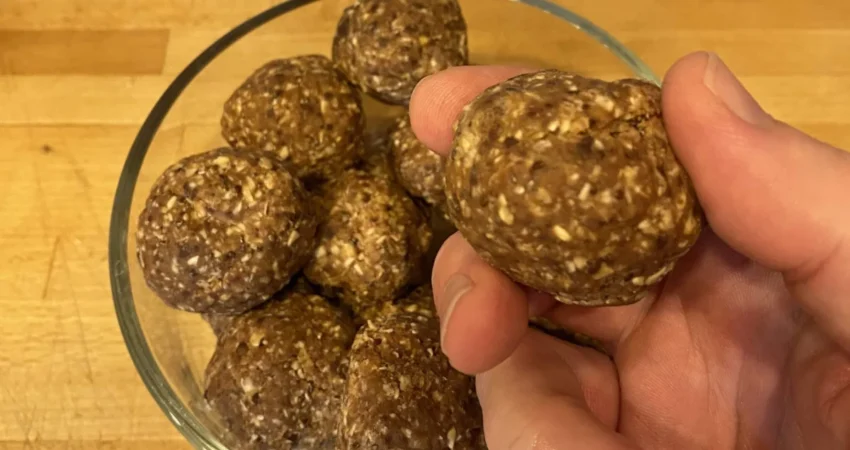
The global landscape of consumer nutrition is witnessing a significant pivot as households increasingly move away from ultra-processed convenience foods in favor of homemade, nutrient-dense alternatives. Central to this shift is the emergence of "functional snacking," a category of food intended to provide specific health benefits beyond basic nutrition, such as sustained energy levels and muscle recovery. A primary example of this trend is the no-bake protein energy ball, a versatile snack composed of oats, nut butters, and protein supplements. These snacks address a critical gap in the modern diet: the need for portable, shelf-stable nutrition that bypasses the high sugar content and artificial preservatives common in commercial granola bars and processed treats. By combining complex carbohydrates, healthy fats, and high-quality protein, these homemade iterations offer a strategic solution for families and fitness enthusiasts looking to optimize their caloric intake without the financial or metabolic costs of retail "health" products.
The Evolution of Snacking: A Chronological Context
To understand the current popularity of homemade energy bites, it is necessary to examine the evolution of the snack industry over the last several decades. For much of the late 20th century, snacking was synonymous with "empty calories"—products high in refined sugars and trans fats designed for long shelf lives rather than biological utility.
In the 1980s and 1990s, the "diet culture" era introduced the first generation of protein and meal replacement bars. However, these were often criticized for their chalky textures and reliance on high-fructose corn syrup. By the mid-2000s, the rise of the "clean eating" movement and the popularity of diets such as Paleo and Whole30 shifted consumer focus toward whole-food ingredients. This period saw the introduction of premium energy bars in specialized health stores, which utilized dates, nuts, and seeds.
By 2015, the "energy bite" or "protein ball" began appearing in high-end urban cafes and boutique fitness studios. While these products met the demand for whole-food ingredients, they introduced a new barrier: cost. With individual servings often priced between $2.00 and $4.00, the "grab-and-go" health snack became a luxury item. The current era, beginning around 2020, has seen a democratization of these recipes. Driven by inflationary pressures on groceries and a wealth of digital culinary information, consumers are now recreating these functional snacks at home, prioritizing cost-efficiency and ingredient transparency.
Nutritional Composition and Macro-Nutrient Analysis
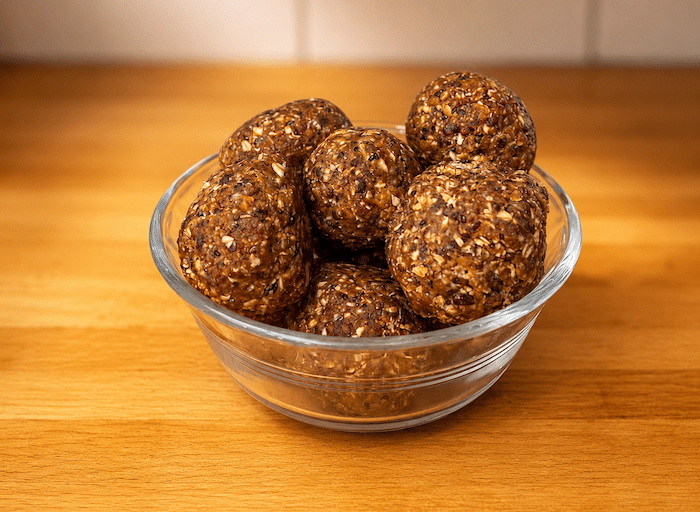
The effectiveness of the no-bake protein energy ball lies in its specific ratio of macronutrients. A standard batch, yielding approximately 15 medium-sized spheres, provides a balanced profile designed to prevent the "glucose spikes" associated with traditional snacks.
According to nutritional estimates, each 140-calorie ball typically contains 14 grams of carbohydrates, 5 grams of protein, and 6 grams of fat. This distribution is calculated to provide both immediate and sustained energy. The rolled oats serve as the primary source of complex carbohydrates and dietary fiber. Fiber is essential for slowing the digestion of sugars, ensuring that the energy from the honey is released gradually into the bloodstream rather than causing a rapid insulin response.
The inclusion of peanut butter—or alternative nut butters—provides monounsaturated fats and additional protein. Furthermore, the addition of chia seeds introduces Omega-3 fatty acids, which are vital for cognitive function and reducing systemic inflammation. The protein powder component, often a whey or plant-based isolate, increases the "satiety factor." Scientific studies on appetite regulation suggest that protein-dense snacks are more effective at suppressing ghrelin, the hormone responsible for hunger, than snacks composed primarily of carbohydrates. This makes the energy ball a particularly effective tool for weight management and mid-day productivity.
Economic Analysis: Homemade vs. Retail
One of the most compelling arguments for the homemade production of energy balls is the significant reduction in per-unit cost. Economic data suggests that the "convenience premium" charged by retailers for functional snacks can exceed 500%.
A standard homemade batch of 15 balls requires a capital investment of approximately $5.00 in raw ingredients, assuming the use of bulk-purchased staples like oats, honey, and protein powder. This results in a per-unit cost of roughly $0.33 to $0.35. In contrast, market research into the "grab-and-go" sector reveals that comparable products in cafes or specialized grocery outlets range from $1.00 to $3.00 per ball.
For a household consuming 10 snacks per week, the transition from retail to homemade could result in annual savings of over $1,000. This economic incentive, coupled with the rising cost of living, has been a primary driver in the "DIY nutrition" movement. Furthermore, the homemade approach eliminates the environmental impact of individual plastic packaging, aligning with broader consumer trends toward sustainability and waste reduction.
Technical Preparation and Food Engineering
The preparation of no-bake energy balls is a lesson in food texture and binding mechanics. Unlike traditional baking, which relies on heat to set structures through gluten development or egg coagulation, no-bake recipes utilize "cold binding."
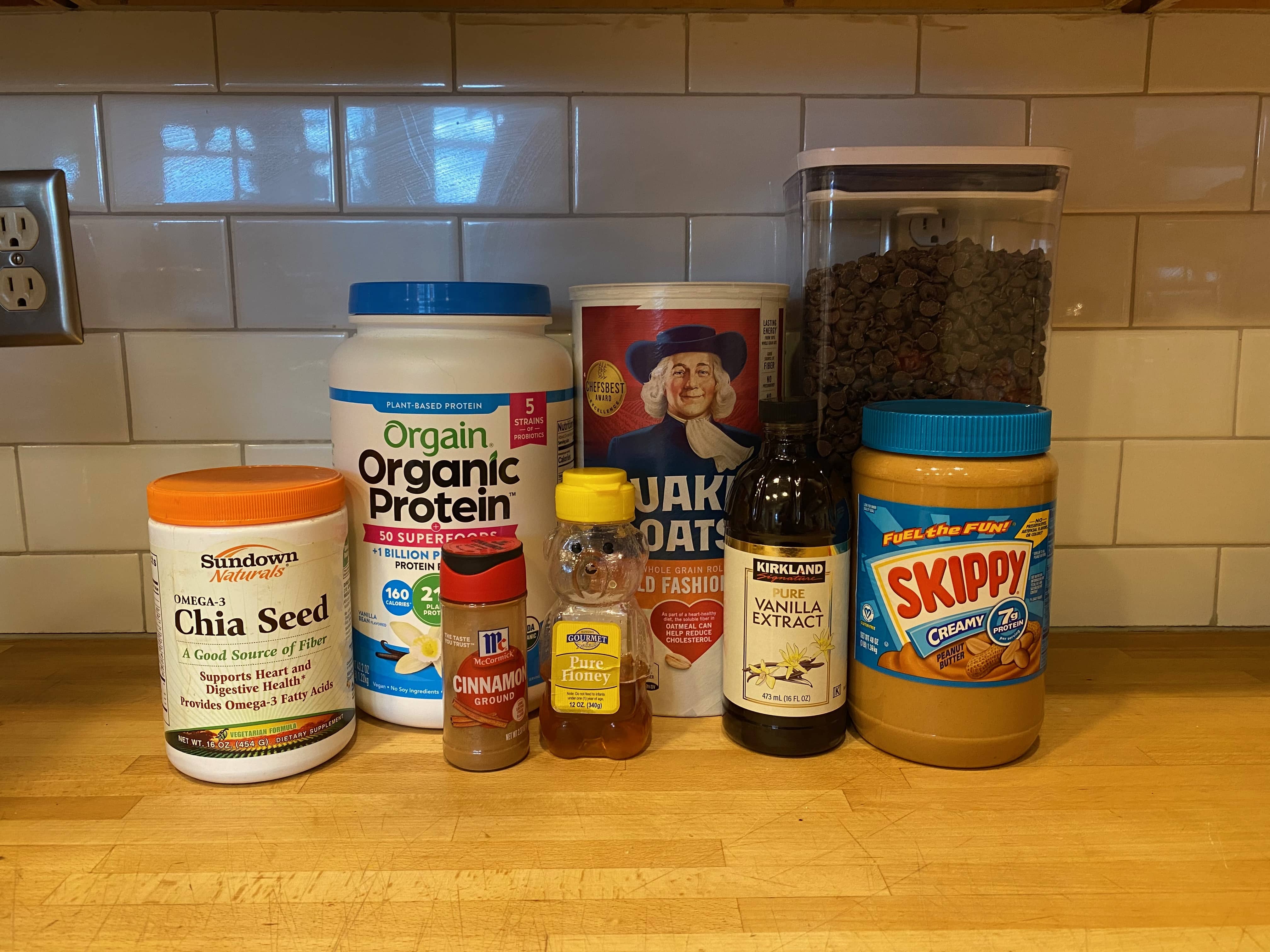
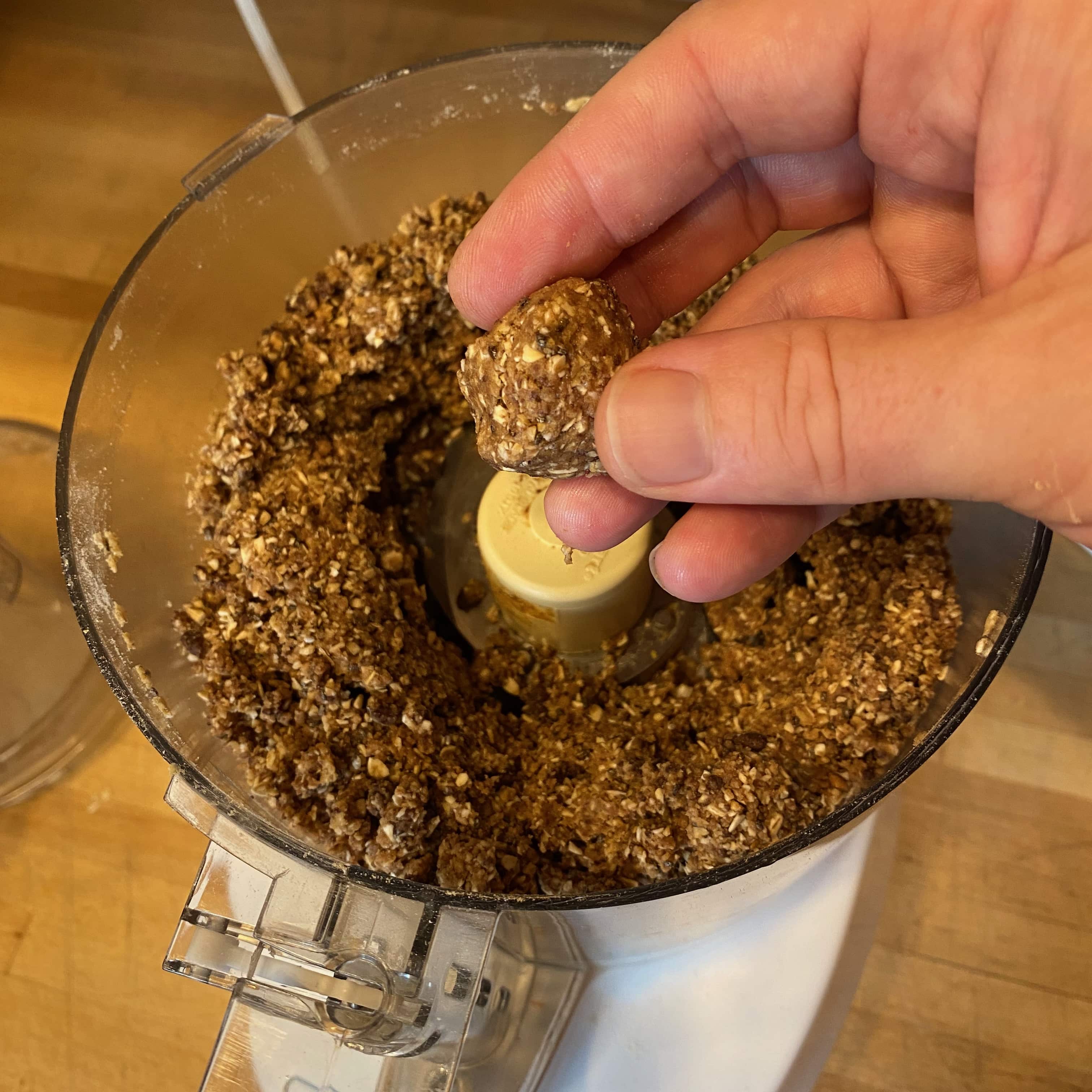
The process typically involves a food processor to ensure a homogenous distribution of dry ingredients, including oats, chia seeds, and chocolate chips. The mechanical action of the processor slightly breaks down the oat flakes, creating more surface area for the binders to adhere to. The "wet" components—peanut butter, honey, and vanilla—act as the primary adhesives.
A critical step in the engineering of these snacks is the calibration of moisture. If the mixture is too dry, the balls will crumble; if too wet, they become unsuitably sticky for portability. The addition of milk (dairy or plant-based) in small increments serves as the final textural adjustment. Professional culinary instructors recommend a refrigeration period of at least 45 minutes prior to shaping. This "resting" phase allows the oats to hydrate and the fats in the nut butter to firm up, ensuring the balls maintain their structural integrity at room temperature.
Customization and Dietary Adaptability
The versatility of the energy ball recipe allows it to be adapted for various medical and lifestyle dietary requirements. This adaptability is a significant advantage over mass-produced items, which often contain allergens or specific sweeteners that may not suit all consumers.
- Allergen Management: For individuals with peanut allergies or for children attending "nut-free" schools, sunflower seed butter (SunButter) or soy-based spreads serve as effective substitutes. These alternatives maintain the necessary fat content and binding properties of the original recipe.
- Glycemic Control: While honey is a natural sweetener, it can be reduced or replaced with maple syrup or sugar-free binders for those monitoring glucose levels. In these instances, additional liquid or fiber-rich binders are used to compensate for the lost volume.
- Protein Density: Athletes requiring higher protein-to-calorie ratios can increase the volume of protein powder while reducing the oat content. This modification results in a more "protein-dense" snack, though it may require additional moisture to prevent a dry texture.
- Plant-Based Variations: The recipe is easily converted to a vegan format by utilizing maple syrup instead of honey and plant-based milks and protein powders.
Broader Impact and Public Health Implications
The shift toward homemade functional snacks like protein energy balls has broader implications for public health and the food industry. Health officials have long warned of the dangers of "ultra-processed foods" (UPFs), which are linked to metabolic syndrome, obesity, and cardiovascular disease. By empowering consumers to control their ingredients, the "energy ball" trend serves as a grassroots intervention against the ubiquity of UPFs.
From a behavioral perspective, the ease of making these snacks—requiring only 15 minutes of active labor—lowers the barrier to healthy eating. For families, these snacks provide a "sweet treat" profile that appeals to children while delivering the fiber and healthy fats necessary for growth and sustained focus in the classroom.
Industry analysts suggest that the rise of DIY functional snacks is forcing major food corporations to reconsider their formulations. As consumers become more literate in reading ingredient labels and more aware of the cost-to-value ratio of their food, the demand for "cleaner" commercial products is increasing. However, for many, the cost-effectiveness and customization of the homemade version remain unbeatable.
In conclusion, the no-bake protein energy ball represents more than just a culinary trend; it is a practical response to the complexities of modern nutrition. By bridging the gap between a supplement and a treat, it offers a sustainable, affordable, and scientifically sound method for maintaining energy and health in a fast-paced environment. As the "wellness" economy continues to grow, the return to simple, kitchen-based food preparation appears to be a permanent fixture of the health-conscious household.

0 Comments