
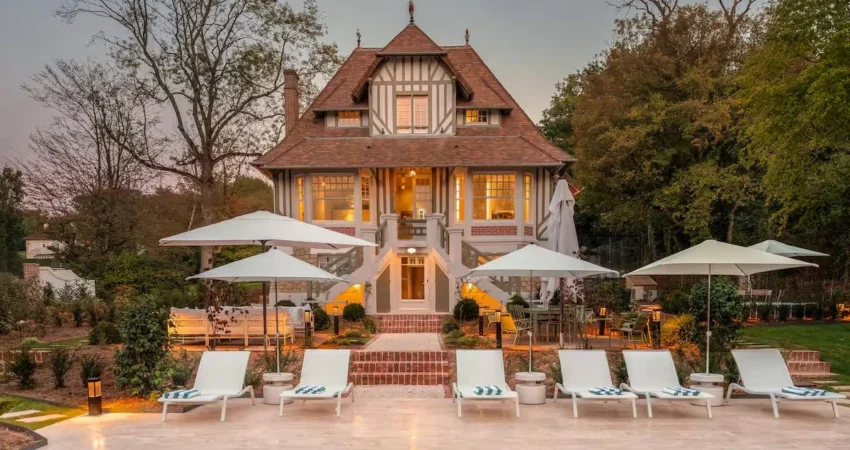
The landscape of European tourism has undergone a significant transformation over the past decade, shifting from traditional hotel-centric stays toward highly curated, private residential experiences. Central to this evolution is the increasing demand for high-end amenities that once belonged exclusively to five-star resorts, most notably the private swimming pool. For modern travelers, the allure of a "private lagoon"—whether it is an infinity pool overlooking the Aegean Sea or a stone-lined basin in the heart of the Tuscan countryside—has become a primary driver in the selection process for short-term rentals. This trend reflects a broader move toward "secluded luxury," where privacy, autonomy, and aesthetic excellence are prioritized over the communal services of traditional hospitality.
To address this demand, major platforms have refined their vetting processes to ensure that listings meet rigorous standards of quality and reliability. The selection of premier European homestays with pools is no longer a matter of mere aesthetic appeal; it is now grounded in a data-driven framework. Criteria such as Superhost status, "Guest Favorite" designations, high-frequency positive reviews, and specific architectural merits serve as the benchmarks for what constitutes a top-tier rental. This journalistic review examines the factors driving the luxury rental market in Europe, the evolution of property vetting, and the regional trends defining the "private pool" travel sector.
The Evolution of the Luxury Short-Term Rental Market
The rise of the luxury short-term rental (STR) market in Europe is a byproduct of changing consumer behavior and technological advancement in the hospitality sector. Historically, travelers seeking high-end accommodations were limited to boutique hotels or established luxury chains. However, the acquisition of Luxury Retreats by Airbnb in 2017 signaled a strategic pivot toward the "ultra-luxe" segment. This move was followed by the 2019 launch of Airbnb Luxe, which offered properties that passed a 300-point inspection covering everything from design aesthetics to functional reliability.
In 2023, the industry saw another significant shift with the introduction of the "Guest Favorite" badge. This system utilizes a combination of machine learning and historical data—including sub-category ratings for cleanliness, accuracy, and communication—to identify the top 2% of homes on the platform. For properties featuring swimming pools, this vetting is crucial. A pool represents a significant maintenance responsibility; therefore, high ratings in this category often correlate with a host’s ability to manage complex infrastructure, ensuring that the water quality, heating systems, and safety features meet international standards.
Chronology of Airbnb’s Quality Initiatives
To understand the current state of the European rental market, it is essential to trace the timeline of how quality control has evolved within the industry:
- 2008–2012: The "Airbed and Breakfast" era focused on budget-friendly, communal living and spare rooms.
- 2014: The introduction of the "Superhost" program provided a quantitative measure of host reliability, requiring high response rates and low cancellation frequencies.
- 2017: The acquisition of Luxury Retreats allowed the platform to integrate professionally managed villas, many featuring private pools and concierge services.
- 2019: The launch of Airbnb Luxe and Airbnb Plus attempted to standardize the "design-forward" home category.
- 2022: The "Categories" update allowed travelers to search specifically for "Amazing Pools," highlighting the pool as a destination in its own right rather than a secondary amenity.
- 2023: The "Guest Favorite" update refined the search algorithm to prioritize properties with a proven track record of excellence, further distancing the platform from inconsistent "amateur" listings.
Data and Market Dynamics in the European Pool Category
The European vacation rental market is projected to continue its growth trajectory, with a compound annual growth rate (CAGR) of approximately 3.27% through 2029. Within this market, properties featuring private pools command a significant price premium. According to industry data from AirDNA, a leading provider of short-term rental analytics, properties with pools in Mediterranean markets like Greece, Italy, and Spain can earn up to 40% more in Average Daily Rate (ADR) compared to similar properties without water features.
Occupancy rates also tell a compelling story. In peak summer months (June through August), villas with private pools in the Algarve (Portugal) or the Côte d’Azur (France) maintain occupancy levels exceeding 85%. The demand is not limited to the summer; the "heated pool" amenity has extended the shoulder seasons in regions like Sicily and Mallorca, allowing hosts to attract guests well into October and November.
Regional Analysis: Where Architecture Meets Water
The integration of swimming pools into European homestays varies significantly by region, reflecting local architectural heritage and geographic constraints.
The Mediterranean Basin: Greece and Italy
In Greece, particularly in the Cyclades, the "infinity pool" has become an architectural staple. These pools are designed to create a visual continuity between the chlorinated water and the Aegean Sea. In Italy, specifically Tuscany and Umbria, the trend leans toward "biopools" or stone-rimmed basins integrated into historical farmhouse estates (agriturismi). The focus here is on blending the amenity with the natural landscape, often using local materials like travertine.
Western Europe: France and Spain
The French market, particularly in Provence and the French Riviera, emphasizes the "bastide" style, where rectangular pools are flanked by lavender fields or manicured gardens. In Spain, the Balearic Islands (Ibiza and Mallorca) lead the market in "minimalist luxury," featuring stark white villas where the pool serves as the central focal point of the outdoor living space.
Industry Reactions and Competitive Pressure
The surge in high-quality private rentals has forced the traditional hotel industry to adapt. Major hotel groups, such as Marriott International, have launched their own home-sharing divisions (Homes & Villas by Marriott Bonvoy) to capture the segment of the market that desires the space of a home with the loyalty points and service standards of a hotel.
Spokespersons for the short-term rental industry have frequently noted that the "private pool" is the ultimate differentiator. While a hotel pool is shared with hundreds of other guests, a private rental offers what travel analysts call "the luxury of silence." This shift has prompted hotels to renovate, adding "plunge pools" to individual suites to compete with the privacy offered by Airbnb and other rental platforms.
Broader Implications: Sustainability and Regulation
The proliferation of private pools across Europe is not without its challenges. As climate change leads to increased droughts and water scarcity, particularly in Southern Europe, the sustainability of maintaining thousands of private swimming pools has come under scrutiny.
- Environmental Regulations: In 2023, certain regions in France implemented temporary bans on the sale of above-ground pools and restricted the filling of existing pools during extreme drought conditions. Travelers and hosts are increasingly looking toward eco-friendly pool technologies, such as salt-water systems, solar heating, and advanced filtration that reduces the need for frequent water replacement.
- Safety and Compliance: European Union standards for pool safety (such as the French "Loi Raffarin") require specific barriers, alarms, or covers to prevent accidental drownings. High-end rentals are now vetted for these safety features, as liability becomes a major concern for both platforms and property owners.
- The "Instagram" Effect: The aesthetic value of a pool has become a form of social currency. Data suggests that listings with "hero shots" of a pool at sunset receive significantly higher click-through rates. This has led to a "design arms race" among hosts, who invest heavily in pool lighting, landscaping, and designer outdoor furniture to ensure their property stands out in a crowded digital marketplace.
Conclusion: The Future of the Secluded Swim
The demand for European homestays with private pools is a reflection of a permanent shift in luxury travel. It is no longer enough to offer a place to sleep; the modern rental must offer an "experience of place." By leveraging data-driven vetting—focusing on Superhosts and Guest Favorites—travelers are able to navigate a complex market to find properties that offer both aesthetic beauty and operational reliability.
As the industry moves forward, the focus will likely shift toward "smart pools" and sustainable luxury. The integration of IoT (Internet of Things) technology will allow guests to control pool temperatures and lighting via smartphones, while hosts will utilize automated systems to monitor chemical balances remotely. Despite the regulatory and environmental hurdles, the private swimming pool remains the crown jewel of the European holiday rental, symbolizing the ultimate escape from the communal bustle of modern life into a personal, secluded sanctuary.

0 Comments