
Recent clinical observations and psychological research are challenging the traditional Western narrative of the "singular life mission," suggesting instead that a diversified portfolio of smaller, intrinsic interests—termed "little p purposes"—may be more critical to long-term fulfillment and cognitive health than the pursuit of a single, world-changing "Big P" purpose. This shift in perspective, highlighted by Dr. Jordan Grumet, a prominent hospice physician and author of The Purpose Code, emphasizes the importance of actionable, direction-oriented goals over the existential pressure of discovering a "one true calling."
According to Dr. Grumet, the concept of "Big P" purpose often leads to a phenomenon known as "purpose anxiety." This psychological state occurs when individuals experience significant stress or a sense of failure because they have not yet identified a singular, overarching mission for their lives. In contrast, "little p" purposes are defined as activities pursued for their own sake—intrinsically pleasurable tasks that provide a sense of agency and immediate satisfaction without the requirement of external accolades or financial gain.
The Psychological Framework of Purpose Stacking
The distinction between these two forms of purpose is not merely semantic but rooted in behavioral science. Researchers defining purpose often look for three specific markers: a sense of direction, a feeling of agency, and the presence of clear goals. While a "Big P" purpose (such as a career-long ambition or a global philanthropic effort) can provide these, it often remains abstract or out of reach for years, leading to stagnation.
"Little p" purposes allow for "purpose stacking," where an individual accumulates various interests—such as hobbyist restoration, community service, or environmental advocacy—that collectively form a robust sense of meaning. This cumulative approach is increasingly viewed as a protective factor against the "loneliness epidemic" and the loss of identity often associated with retirement.
Case Study: The Longitudinal Impact of Diversified Interests
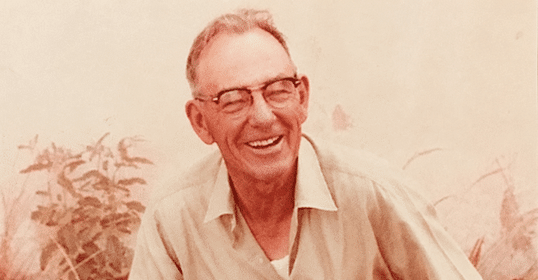
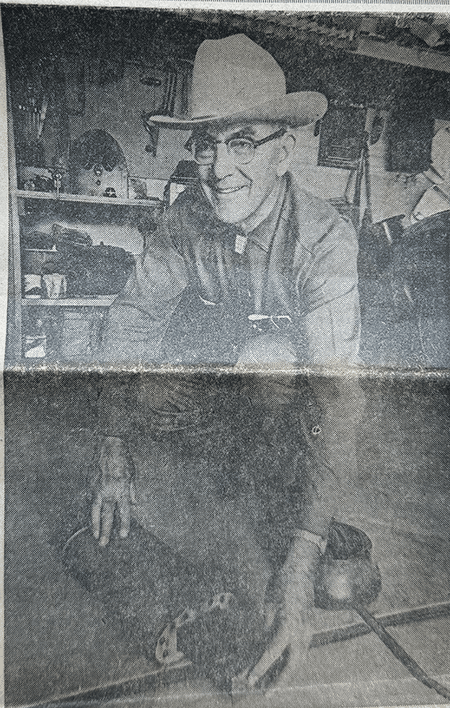
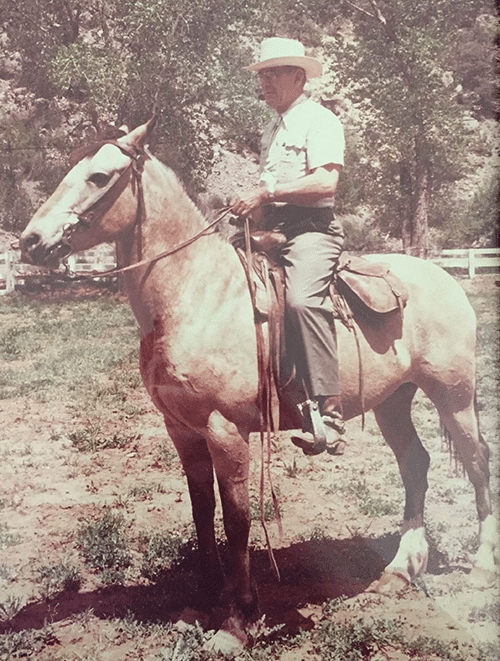
The life of William "Bill" Hurst, a third-generation forester who served as the Regional Forester of the Southwestern Region for the U.S. Forest Service, serves as a primary example of how "little p" purposes can sustain an individual through nearly a century of life. Hurst’s career, which spanned nearly 40 years and involved the management of millions of acres across New Mexico, Arizona, Texas, and Oklahoma, represented a significant "Big P" purpose. However, it was his extracurricular pursuits that provided the continuity of meaning during his four decades of retirement.
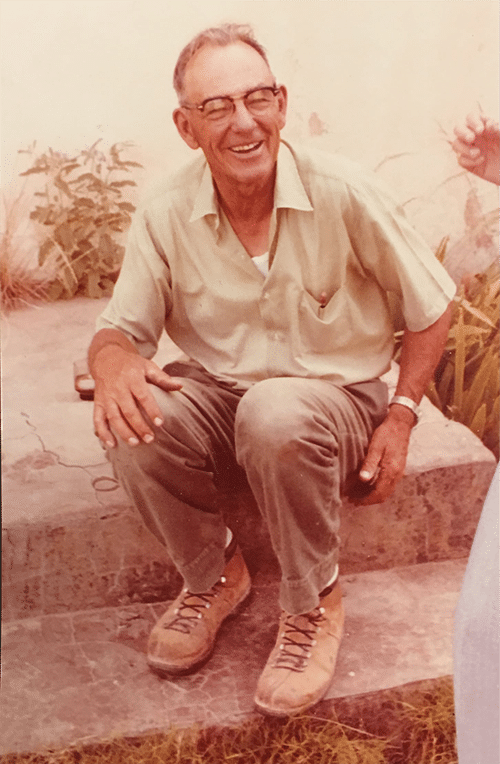
Hurst’s engagement with "little p" purposes began in his 40s and continued until his death at age 100. His interests were characterized by a blend of technical skill, historical preservation, and community integration.
A Chronology of Purpose: The Restoration and Service Timeline
The evolution of Hurst’s interests demonstrates a consistent pattern of "childhood spark" activation, where interests formed in early life are revisited with the resources and patience of adulthood.
1950s–1970s: The Restoration Phase
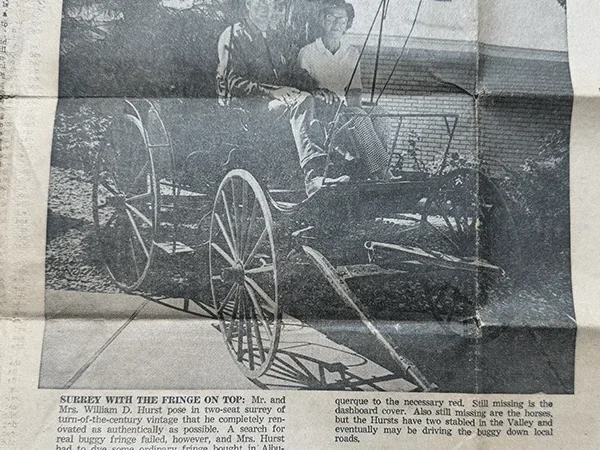
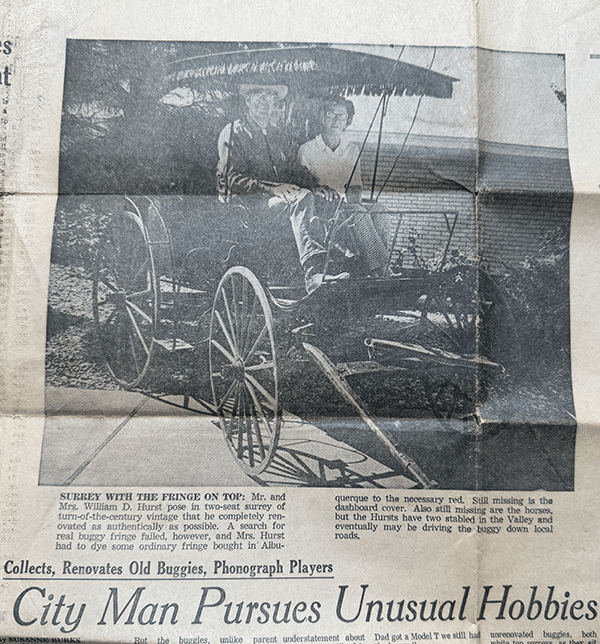
During his middle years, Hurst began the restoration of horse-drawn buggies from the 1880–1910 era. This pursuit was not merely a hobby but a complex logistical challenge involving "old-school gumshoe work" to locate authentic parts in a pre-internet era. Hurst’s background in the Forest Service, which emphasized self-reliance and mechanical improvisation, allowed him to machine replacement parts that were no longer in production.
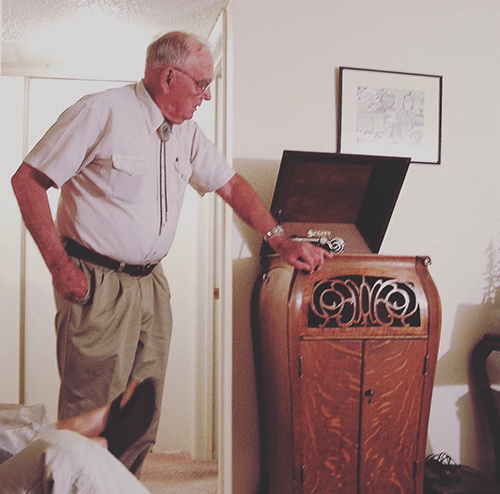
Parallel to this, Hurst took up the restoration of antique phonograph players. This began with a 1920s Sonora player inherited from his grandmother. The technical requirements—sourcing springs from specialized dealers and hand-carving ornate wooden panels with a pocket knife—provided a consistent cognitive challenge.
1980s–2000s: The Active Retirement and Social Integration Phase
Upon retiring from the U.S. Forest Service, Hurst did not retreat from public life. Instead, he transitioned into the "clubman" archetype, a social structure prevalent in the early 20th century that emphasizes civic duty through fraternal and professional organizations.
His involvement included:
- The Society for Range Management: Where he served as a charter member and past president, continuing to influence federal land policy.
- The Rotary and Lions Clubs: Through which he engaged in local service projects.
- Meals on Wheels: Delivering food to homebound seniors, often when he himself was in his 80s, highlighting the importance of peer-to-peer social support.
- The Boy Scouts of America: Serving as an adult leader and receiving the Silver Beaver award for distinguished service.
2010s: The Centennial Advocacy Phase
In his late 90s, Hurst launched a new initiative: The Friends of the Kaibab Squirrel. This advocacy group was dedicated to the protection of a specific subspecies of the tassel-eared squirrel endemic to the Kaibab Plateau in Northern Arizona. This project, initiated nearly 90 years after Hurst first encountered the animal as a child, exemplifies the "little p" purpose as a vehicle for legacy.
Supporting Data: Longevity and the "Purpose" Factor
Data from the Rush Memory and Aging Project, which has followed thousands of individuals over decades, suggests a strong correlation between a high sense of purpose and a lower risk of cognitive decline and mortality. Participants who scored in the top 10% for "purpose in life" were approximately 2.5 times more likely to remain free of Alzheimer’s disease than those in the bottom 10%.
Crucially, the study did not differentiate between "Big P" and "little p" purposes. For the brain, the act of organizing a local club or mastering a technical craft provides the same neuroprotective benefits as running a major corporation. Dr. Grumet’s observations in hospice care further support this; patients often express more regret over the "little p" purposes they neglected—hobbies, small curiosities, and local connections—than they do over professional "Big P" milestones.
Implications for Modern Workforce and Retirement Planning
The shift toward valuing "little p" purposes has significant implications for how society views retirement and career transitions. The "Big P" model often leaves retirees in a state of "identity foreclosure," where the loss of a professional title leads to a rapid decline in mental and physical health.
Experts suggest that the "Hurst Model"—stacking interests throughout one’s career rather than waiting for retirement—creates a "meaning buffer." When one source of purpose (such as a career) is removed, the remaining "little p" purposes provide the structural integrity needed to maintain a high quality of life.
Analysis: The Social Connectivity of Small Interests
A secondary but vital benefit of "little p" purposes is their ability to foster community. Hurst’s restoration hobbies, for instance, connected him with a global network of collectors and craftsmen. His advocacy for the Kaibab squirrel brought him into contact with government agencies and conservationists.
In a report on social isolation, the U.S. Surgeon General noted that "weak social connection is as a significant a health risk as smoking up to 15 cigarettes a day." Little p purposes act as "social magnets," drawing individuals out of isolation and into specialized communities of practice. These communities provide a sense of belonging that is often missing in the modern, digitally-mediated world.
Conclusion: Redefining the Search for Meaning
The paradigm of "Big P" vs. "little p" purpose offers a pragmatic solution to the modern crisis of meaning. By de-escalating the search for a singular life mission and instead encouraging the pursuit of multiple, smaller interests, individuals can build a more resilient and diverse sense of self.
As demonstrated by the century-long example of Bill Hurst, a meaningful life is not necessarily the result of finding one great thing to do, but rather the result of never stopping the pursuit of many small things. The legacy of such a life is found not just in the records of the U.S. Forest Service, but in the restored buggies, the protected wildlife, and the community members served along the way. For those experiencing "purpose anxiety," the data suggests a simple pivot: stop looking for a calling, and start looking for a project.

0 Comments