
The Philosophical Foundation: Plato’s Tripartite Soul
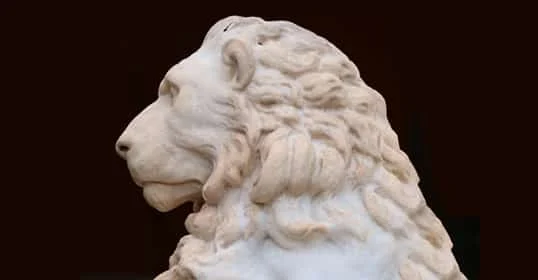
To understand the significance of thumos, one must look to the philosophical foundations established by Plato in The Republic. Plato posited that the human soul is composed of three distinct parts: the logistikon (reason), the epithymetikon (appetite), and the thumoeides (spiritedness or thumos). In this classical model, reason acts as the charioteer, attempting to guide two horses of vastly different temperaments. The appetitive part represents basic desires—hunger, thirst, and sexual drive—which, if left unchecked, lead to hedonism. Thumos, however, is the seat of the "higher" emotions: courage, honor, indignation against injustice, and the competitive drive to excel.
In the contemporary era, LeBlanc suggests that society has become adept at addressing reason and appetite but has largely neglected or pathologized thumos. While reason is cultivated through education and appetite is satisfied through consumerism, thumos is often viewed with suspicion, frequently conflated with toxic aggression or uncontrolled rage. This neglect, according to LeBlanc, creates a "man without a chest," a term famously coined by C.S. Lewis to describe individuals who possess intellect and desire but lack the spirited heart required to act upon their convictions.
The Profile of Mike LeBlanc: From Combat to Corporate Strategy
The insights shared in the podcast are informed by LeBlanc’s diverse professional background, which serves as a case study for the application of thumos in high-stakes environments. As a Marine, LeBlanc experienced the necessity of spiritedness in the face of physical danger and moral ambiguity. His subsequent transition to Harvard Business School and the tech sector provided a different lens: the need for thumos in the boardroom and the entrepreneurial space.
In his book, What If Anger Is the Answer?, LeBlanc posits that anger is not a defect but a diagnostic signal. He argues that when an individual feels anger or frustration, it is often a manifestation of thumos reacting to a perceived injustice or a failure to meet one’s own standards. The challenge, LeBlanc notes, is not to extinguish this fire but to channel it toward productive ends. His career trajectory illustrates a consistent theme: using the "angry energy" of thumos to fuel the discipline required for academic excellence, military leadership, and business innovation.
Chronology of the Modern "Crisis of Spiritedness"
The podcast situates the discussion within a broader chronological decline of traditional masculine virtues in the 21st century.
- Late 20th Century: The shift toward a service-based economy and the rise of digital sedentary lifestyles began to decouple physical effort from survival and success.
- Early 2000s: A growing emphasis on "emotional intelligence" often prioritized the suppression of "hard" emotions like anger, leading to a cultural misunderstanding of thumos as purely destructive.
- 2010s-Present: Sociological data began to track a "purpose gap" among men. Statistics from the Bureau of Labor Statistics and various mental health organizations have noted a decline in male workforce participation and an increase in "deaths of despair," which LeBlanc and McKay link to a lack of thumic engagement.
- 2024-2026: A resurgence of interest in Stoicism and ancient Greek philosophy suggests a growing desire among men to find more robust frameworks for navigating modern life, culminating in the current focus on thumos as a "lost virtue."
Supporting Data: The Impact of Purpose and Physicality
The podcast emphasizes that thumos is not merely a theoretical concept but one rooted in physiological and psychological reality. LeBlanc points to physical training as the primary laboratory for cultivating thumos. Data from sports psychology suggests that high-intensity physical exertion does more than build muscle; it trains the brain to endure discomfort for the sake of a goal—a core component of thumic development.
Furthermore, research into "behavioral activation" in clinical psychology supports LeBlanc’s assertion that action often precedes motivation. By engaging the spirited part of the soul through exercise, competition, or challenging projects, individuals can overcome the inertia of depression and cynicism. The podcast highlights that thumos acts as the "motor" of the soul; without it, reason knows what to do, and appetite wants the rewards, but the individual lacks the "get up and go" to execute the plan.
Overcoming the "Four Horsemen" of Modern Passivity
LeBlanc identifies four specific modern ailments that thumos is uniquely equipped to combat:
- Appetite Overload: When thumos is weak, the appetites (addiction to social media, food, or pornography) take control. Thumos provides the "noble pride" necessary to say no to base desires in favor of higher goals.
- Overthinking (Analysis Paralysis): Reason can often lead to circular thinking. Thumos provides the "shove" required to move from contemplation to action.
- Passivity: In a world of spectatorship, thumos drives the individual to be a participant.
- Cynicism: LeBlanc argues that cynicism is a defense mechanism for those who have given up. Thumos, by contrast, is inherently optimistic because it believes that change is possible through effort.
Official Responses and Philosophical Reactions
While the podcast focuses on LeBlanc’s perspective, the themes echo broader academic and cultural dialogues. Critiques of modern "fragility" by social psychologists like Jonathan Haidt align with the idea that avoiding discomfort (and thus avoiding the engagement of thumos) leads to weaker individuals and institutions.
Conversely, some critics of the "pro-thumos" movement warn against the risks of unbridled spiritedness. Philosophers dating back to Aristotle have noted that thumos must be "tempered" by reason. If thumos is too strong, it leads to recklessness and tyranny; if too weak, it leads to cowardice. The consensus among contemporary proponents is that the current societal pendulum has swung too far toward the "weak" end, necessitating a conscious effort to revitalize this spiritedness.
Broader Impact and Implications for Leadership
The implications of reclaiming thumos extend beyond individual self-improvement and into the realm of leadership and organizational health. LeBlanc notes that the most effective leaders are those who can inspire thumos in their subordinates. A leader who lacks spiritedness cannot command respect or foster a sense of mission. In a corporate context, this translates to "mission-driven" leadership rather than merely "metric-driven" management.
Furthermore, the podcast suggests that a society with a healthy level of thumos is more resilient. Spiritedness fosters a sense of civic duty and a willingness to defend communal values. When thumos is lost, a population becomes more susceptible to demagoguery or, conversely, total apathy.
Conclusion: The Path Forward
The discussion between Brett McKay and Mike LeBlanc serves as a call to action for men to stop viewing their drive and "noble anger" as defects to be managed, and instead see them as virtues to be honed. By integrating physical discipline, clear-eyed ambition, and a refusal to settle for mediocrity, LeBlanc argues that men can close the "thumic gap" in their lives.
As the podcast concludes, the message remains clear: the ancient Greeks did not include thumos in their map of the soul by accident. It is the essential bridge between thinking and doing. In an age characterized by digital distraction and a crisis of meaning, the "lost virtue" of thumos may provide the necessary fuel for a new generation to reclaim a sense of manly virtue and purposeful living. The work of Mike LeBlanc and the platform provided by The Art of Manliness continue to facilitate a necessary cultural conversation about the role of traditional virtues in a rapidly changing modern world.

0 Comments